Advanced Colonoscopy Procedure at Ujala Cygnus Hospitals
At Ujala Cygnus Hospitals, we offer advanced colonoscopy services for the diagnosis, screening, and evaluation of a wide range of digestive and colorectal conditions. Colonoscopy is considered one of the most reliable methods for identifying abnormalities within the colon and rectum, allowing doctors to detect potential health concerns at an early stage before symptoms become severe.
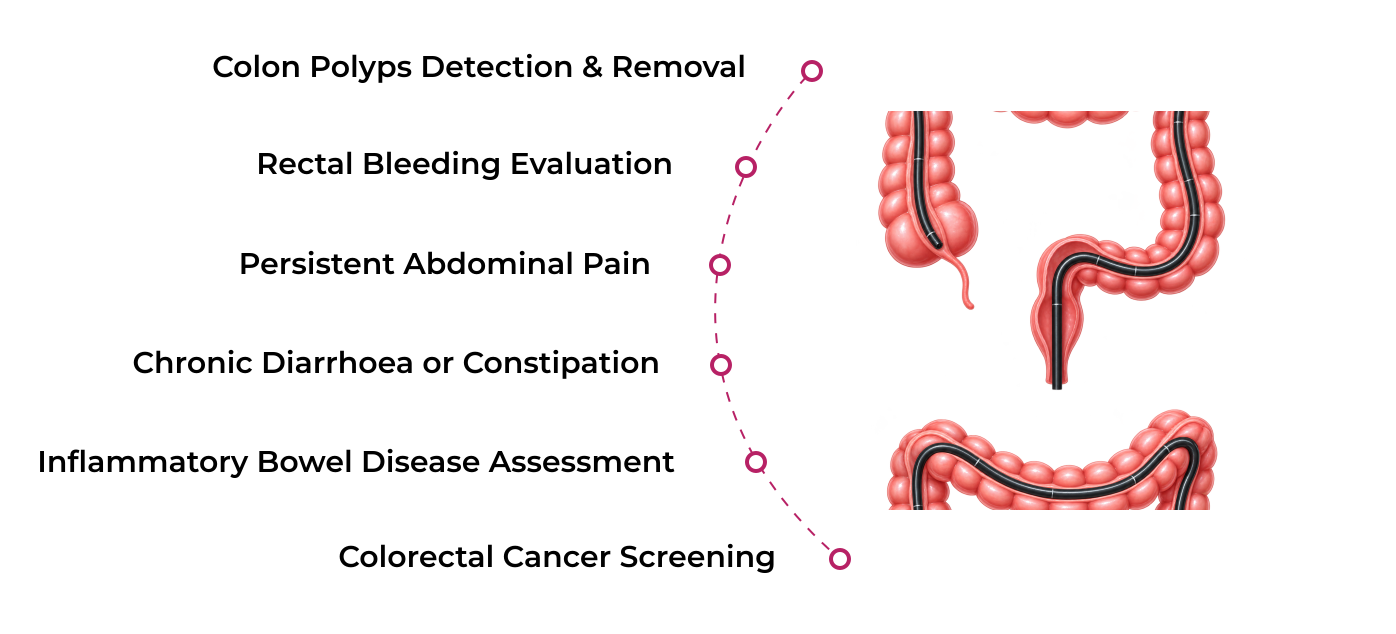
The procedure is commonly recommended for individuals experiencing persistent abdominal pain, rectal bleeding, chronic diarrhoea, constipation, unexplained weight loss, or changes in bowel habits. It also plays a vital role in colorectal cancer screening, particularly for individuals above the age of 45 or those with a family history of colorectal cancer.
Our gastroenterology team combines advanced endoscopic equipment with patient-centred care to ensure accurate diagnosis, comfort, and safety throughout the procedure. By identifying conditions early, colonoscopy can help guide timely treatment and improve long-term digestive health outcomes.
What is a Colonoscopy?
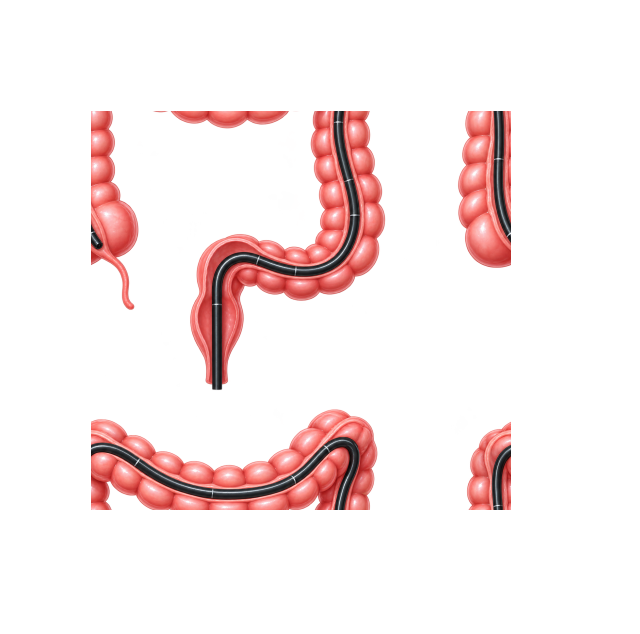
A colonoscopy is a minimally invasive endoscopic procedure used to examine the inside of the colon and rectum using a flexible tube called a colonoscope. The colonoscope contains a tiny camera and light source that allow the doctor to view detailed images of the intestinal lining in real time.
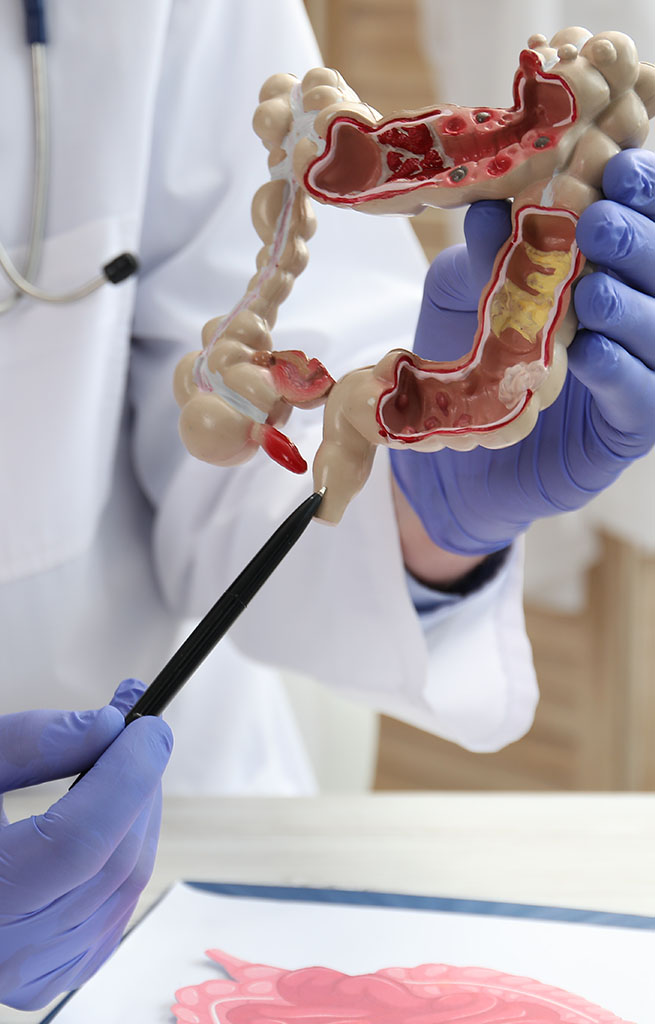
During the procedure, the specialist can identify abnormalities such as polyps, inflammation, ulcers, bleeding sources, and early signs of colorectal cancer. Tissue samples (biopsies) can also be collected for further laboratory analysis, and certain abnormalities, including polyps, may be removed during the same procedure. Colonoscopy is widely regarded
Types of Colonoscopy Procedures
Screening Colonoscopy
Performed to detect colorectal cancer or precancerous polyps in individuals without symptoms, particularly those at increased risk.
Diagnostic Colonoscopy
Used to investigate symptoms such as abdominal pain, rectal bleeding, chronic diarrhoea, unexplained anaemia, or changes in bowel habits.
Therapeutic Colonoscopy
Allows doctors to perform treatments during the procedure, including polyp removal, bleeding control, and foreign body retrieval.
Surveillance Colonoscopy
Recommended for patients with a history of colon polyps, colorectal cancer, or inflammatory bowel disease who require ongoing monitoring.
Chromoendoscopy Colonoscopy
A specialised procedure that uses dyes or enhanced imaging techniques to improve the detection of abnormal tissue.
Biopsy Colonoscopy
Performed when tissue samples need to be collected for microscopic examination to diagnose specific gastrointestinal conditions.
Conditions and Diseases Diagnosed with Colonoscopy
Colonoscopy Procedure: What Happens During Treatment?
Benefits of Colonoscopy
Colonoscopy is one of the most effective procedures for diagnosing and preventing serious colorectal conditions. It offers several important health benefits.
- Early detection of colorectal cancer
- Identification and removal of precancerous polyps
- Accurate diagnosis of digestive disorders
- Evaluation of unexplained gastrointestinal symptoms
- Detection of intestinal inflammation and bleeding
- Ability to perform biopsies during the same procedure
- Minimally invasive and highly effective diagnostic tool
- Supports personalised treatment planning
- Helps maintain long-term digestive health
Why Choose Ujala Cygnus Hospitals for Colonoscopy?

Experienced Gastroenterology Specialists
Our skilled gastroenterologists have extensive experience in performing diagnostic and therapeutic colonoscopy procedures with precision and care.

Advanced Endoscopy Technology
We utilise modern endoscopic systems that provide high-definition visualisation for accurate diagnosis and improved patient outcomes.

Comprehensive Digestive Care
From initial consultation and diagnosis to treatment and follow-up care, patients receive complete gastrointestinal support under one roof.

Patient-Centred Approach
Our team prioritises patient comfort, safety, privacy, and personalised care throughout every stage of the procedure.
Possible Risks of Colonoscopy and How They Are Manage
Colonoscopy is generally considered a safe procedure. However, like any medical intervention, there are some potential risks that patients should be aware of.
Short-Term Risks
Mild Abdominal Discomfort
Temporary bloating, cramping, or gas may occur after the procedure and usually resolves quickly.
Bleeding
Minor bleeding may occur, especially after biopsy collection or polyp removal.
Sedation-Related Side Effects
Some patients may experience temporary drowsiness, nausea, or dizziness following sedation.
Infection
Although rare, infections can occur and are minimised through strict safety and sterilisation protocols.
Allergic Reactions
Rare reactions to medications or sedatives may occur and are closely monitored by the healthcare team.
Long-Term Risks
Delayed Bleeding
Occasionally, bleeding may occur several days after the removal of a large polyp.
Bowel Perforation
A rare but serious complication involving a small tear in the colon wall that may require further treatment.
Missed Lesions
Although uncommon, very small abnormalities may occasionally be difficult to detect.
Repeat Procedures
Certain findings may require follow-up colonoscopies for ongoing monitoring and evaluation.
Recurrence of Polyps
Patients with previous polyps may develop new growths over time, making surveillance important.
Managing and Reducing Risks
Thorough Pre-Procedure Assessment
Medical history and risk factors are carefully reviewed before the procedure.
Advanced Imaging Technology
High-definition endoscopy improves detection rates and procedural safety.
Experienced Gastroenterologists
Specialist expertise helps minimise complications and optimise diagnostic accuracy.
Regular Follow-Up Care
Appropriate monitoring and follow-up recommendations support long-term digestive health.
Recovery and Support After Colonoscopy
Recovery after colonoscopy is typically quick, and most patients can return to their normal routine within a day.
Diet and Nutrition
Patients are usually advised to start with light meals and gradually resume their regular diet based on medical recommendations.
Physical Activity
Most individuals can return to normal activities shortly after the procedure, although strenuous exercise may be avoided temporarily if therapeutic interventions were performed.
Emotional Wellbeing
Understanding the results of the procedure and receiving clear guidance from healthcare professionals can help reduce anxiety and support informed healthcare decisions.
Follow-Up Care and Results
Biopsy findings and procedure results are discussed during follow-up appointments, allowing specialists to recommend any additional testing, treatment, or surveillance if necessary.
Patient Stories
Hip Replacement by
Dr. Indranil Halder

LNICU by
Dr. Rajeev Kumar

CKD Diabetes
CKD Diabetes
Knee Replacement by
Knee Replacement
TNBC Survivor by
Dr. Abid Lone
Spine Surgery by
Dr. Saurabh Kumar Sinha
Brain Surgery by
Dr. Saurabh Kumar Sinha
Hip Replacement by
Dr. Indranil Halder
NICU by
Dr. Rajeev Kumar
CKD Diabetes
CKD Diabetes
Knee Replacement by
Knee Replacement
TNBC Survivor by
Dr. Abid Lone
Spine Surgery by
Dr. Saurabh Kumar Sinha
Brain Surgery by
Dr. Saurabh Kumar Sinha
Latest Blogs





Frequently Asked Questions
What is a colonoscopy used for?
A colonoscopy is used to examine the colon and rectum for abnormalities such as polyps, colorectal cancer, inflammation, bleeding, and other digestive tract disorders.
Is a colonoscopy painful?
Most patients experience minimal discomfort because sedation is commonly used to help them remain relaxed and comfortable during the procedure.
How long does a colonoscopy take?
The procedure usually takes between 20 and 60 minutes, depending on the purpose of the examination and any additional treatments performed.
How should I prepare for a colonoscopy?
Preparation typically involves following a special diet and using prescribed bowel-cleansing medications to ensure the colon is completely clear before the procedure.
Can colonoscopy detect colon cancer?
Yes. Colonoscopy is considered the most effective screening tool for detecting colorectal cancer and identifying precancerous polyps.
How often should a colonoscopy be performed?
The recommended frequency depends on age, personal risk factors, family history, and previous colonoscopy findings. Your doctor will advise the most appropriate screening schedule.