Advanced ERCP Treatment at Ujala Cygnus Hospitals
At Ujala Cygnus Hospitals, we offer comprehensive ERCP procedures for the diagnosis and treatment of complex biliary and pancreatic conditions. ERCP plays a vital role in managing disorders that affect the flow of bile and pancreatic juices, helping relieve symptoms, prevent complications, and improve digestive health. Our gastroenterology specialists use advanced endoscopic equipment and imaging technologies to accurately identify abnormalities within the bile ducts and pancreas. The procedure is commonly recommended for patients experiencing bile duct stones, jaundice, pancreatic disorders, strictures, or unexplained abnormalities detected through imaging tests. With a patient-centred approach, our multidisciplinary team ensures precise diagnosis, effective intervention, and personalised post-procedure care to achieve the best possible outcomes while minimising discomfort and recovery time.
What is ERCP?
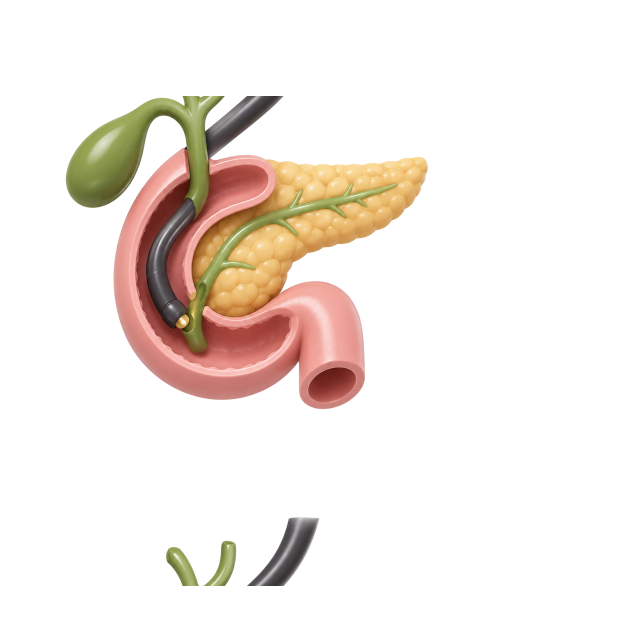
combines endoscopy and fluoroscopic imaging to examine and treat conditions affecting the bile ducts, gallbladder, liver, and pancreas. During the procedure, a flexible endoscope is passed through the mouth into the digestive tract, allowing the specialist to access the bile and pancreatic ducts.
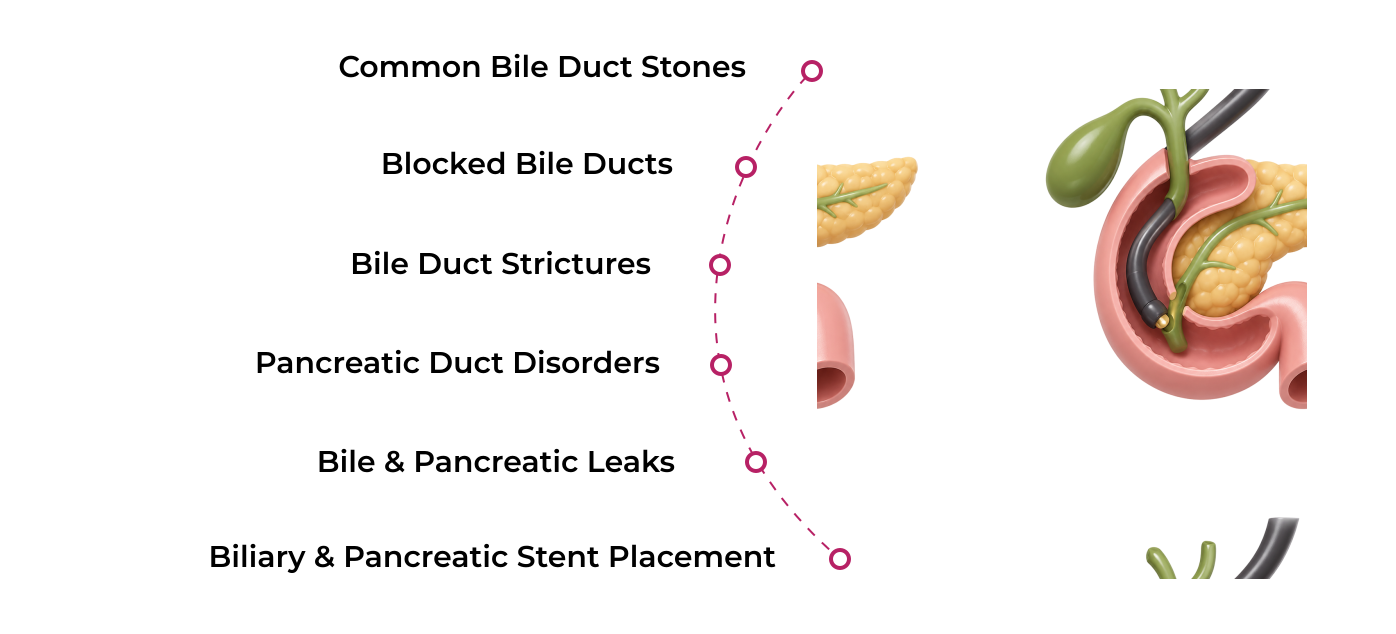
ERCP is used not only for diagnosis but also for treatment. It enables doctors to remove gallstones from the bile duct, relieve blockages, place stents, treat strictures, obtain tissue samples for testing, and manage various pancreatic and biliary disorders without the need for major surgery.
Types of ERCP Procedures
Diagnostic ERCP
Performed to evaluate abnormalities in the bile ducts and pancreatic ducts when other imaging tests are inconclusive.
Therapeutic ERCP
Used to treat conditions such as bile duct stones, strictures, blockages, and pancreatic duct disorders.
ERCP with Stone Removal
A specialised procedure designed to remove gallstones or bile duct stones causing obstruction and symptoms.
ERCP with Stent Placement
Involves placing a stent within the bile duct or pancreatic duct to restore normal drainage and relieve blockage.
ERCP with Sphincterotomy
A small incision is made in the sphincter muscle to facilitate stone removal or improve bile flow.
ERCP with Tissue Biopsy
Allows specialists to collect tissue samples from suspicious areas for further pathological examination and diagnosis.
Conditions Treated with ERCP
ERCP Procedure: What Happens During Treatment?
Benefits of ERCP Treatment
ERCP offers several important benefits for patients with biliary and pancreatic disorders by providing both diagnosis and treatment in a single procedure.
- Minimally invasive alternative to surgery
- Accurate diagnosis of bile duct and pancreatic disorders
- Effective removal of bile duct stones
- Relief from jaundice and bile duct obstruction
- Allows stent placement to restore drainage
- Facilitates tissue biopsy for diagnosis
- Reduced hospital stay and faster recovery
- Helps prevent serious complications
- Improves digestive health and quality of life
Why Choose Ujala Cygnus Hospitals for ERCP?

Experienced Gastroenterology Specialists
Our skilled gastroenterologists have extensive experience in performing advanced ERCP procedures for a wide range of digestive and hepatobiliary conditions.

Advanced Endoscopy Technology
We utilise state-of-the-art endoscopic systems and imaging technologies to enhance diagnostic accuracy and treatment effectiveness.

Multidisciplinary Care Approach
Our gastroenterologists collaborate with surgeons, radiologists, oncologists, and critical care specialists to provide comprehensive treatment plans.

Personalised Patient Support
From diagnosis through recovery, patients receive dedicated support, education, and follow-up care tailored to their individual needs.
Possible Risks and Complications of ERCP and How They Are Managed
Although ERCP is generally considered safe, every medical procedure carries some risks. Our specialists take every precaution to minimise complications and ensure patient safety.
Short-Term Risks
Pancreatitis
Inflammation of the pancreas is one of the most recognised complications and is usually managed with supportive treatment.
Bleeding
Minor bleeding may occur, particularly if a sphincterotomy or biopsy is performed.
Infection
Infections affecting the bile ducts or pancreas can occur but are generally preventable with appropriate care and treatment.
Sedation-Related Reactions
Some patients may experience temporary side effects related to sedation medications.
Abdominal Discomfort
Mild bloating, cramping, or throat discomfort may occur after the procedure and typically resolves quickly.
Long-Term Risks
Recurrent Bile Duct Stones
Some patients may develop new stones in the future, requiring ongoing monitoring.
Stent Blockage
Patients with bile duct stents may occasionally require replacement or maintenance procedures.
Persistent Duct Narrowing
Certain strictures may recur and require additional treatment.
Chronic Pancreatic Complications
Underlying pancreatic disorders may continue to require long-term management.
Managing and Reducing Risks
Thorough Patient Evaluation
Comprehensive assessment helps identify individual risk factors before treatment.
Skilled Endoscopy Team
Experienced specialists use evidence-based techniques to improve safety and outcomes.
Advanced Monitoring
Continuous monitoring during and after the procedure helps detect complications early.
Follow-Up Care
Regular follow-up appointments support recovery and ensure long-term treatment success.
Recovery and Support Following ERCP
Most patients recover quickly after ERCP, particularly when the procedure is performed on an outpatient basis. Recovery recommendations vary depending on the condition treated and the intervention performed.
Diet and Nutrition
Patients are usually advised to resume eating gradually after the procedure. A healthy diet supports digestive recovery and overall wellbeing.
Physical Activity
Most individuals can return to light daily activities within a short period, although strenuous activities may be temporarily restricted.
Emotional Wellbeing
Receiving treatment for digestive disorders can be stressful. Our healthcare team provides guidance and support throughout the treatment journey.
Follow-Up Care and Recovery
Follow-up appointments allow specialists to review results, monitor recovery, assess symptom improvement, and determine whether further treatment is required.
Patient Stories
Hip Replacement by
Dr. Indranil Halder

LNICU by
Dr. Rajeev Kumar

CKD Diabetes
CKD Diabetes
Knee Replacement by
Knee Replacement

TNBC Survivor by
Dr. Abid Lone

Spine Surgery by
Dr. Saurabh Kumar Sinha

Brain Surgery by
Dr. Saurabh Kumar Sinha
Hip Replacement by
Dr. Indranil Halder
NICU by
Dr. Rajeev Kumar
CKD Diabetes
CKD Diabetes
Knee Replacement by
Knee Replacement
TNBC Survivor by
Dr. Abid Lone
Spine Surgery by
Dr. Saurabh Kumar Sinha
Brain Surgery by
Dr. Saurabh Kumar Sinha
Latest Blogs









Frequently Asked Questions
What is ERCP used for?
ERCP is used to diagnose and treat conditions affecting the bile ducts, gallbladder, pancreas, and pancreatic ducts, including stones, blockages, strictures, and tumours.
Is ERCP a surgery?
No. ERCP is a minimally invasive endoscopic procedure that allows diagnosis and treatment without the need for major surgery in many cases.
How long does an ERCP procedure take?
The procedure typically takes between 30 minutes and 90 minutes, depending on the complexity of the condition being treated.
Is ERCP painful?
ERCP is usually performed under sedation, ensuring that patients remain comfortable throughout the procedure.
What is the recovery time after ERCP?
Most patients recover within one to two days, although recovery may vary depending on the treatment performed and individual health factors.
What are the benefits of ERCP?
ERCP provides accurate diagnosis, effective treatment, stone removal, stent placement, symptom relief, and faster recovery compared to many surgical alternatives.