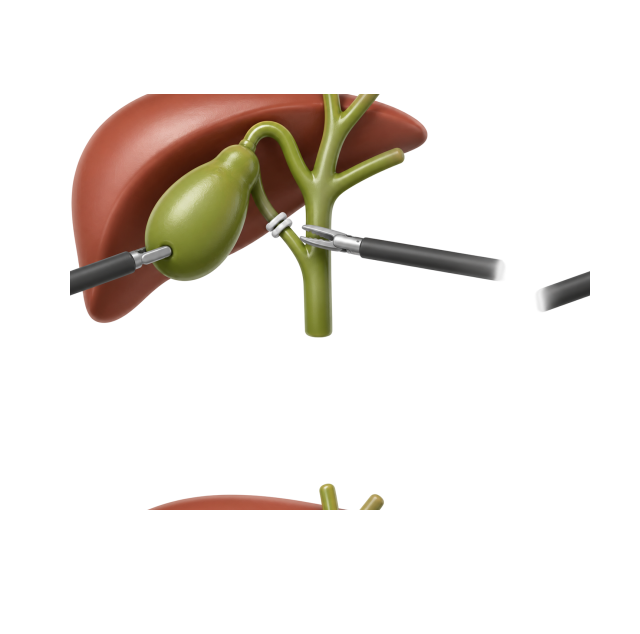
Advanced Gallbladder Removal Surgery at Ujala Cygnus Hospitals
At Ujala Cygnus Hospitals, we offer comprehensive Gallbladder Removal Surgery for patients suffering from gallstones, gallbladder inflammation, recurrent abdominal pain, and other biliary disorders. Gallbladder problems can significantly impact daily life, causing discomfort, digestive issues, nausea, and severe abdominal pain that may worsen over time if left untreated.
Our experienced gastrointestinal and laparoscopic surgeons perform detailed evaluations using advanced diagnostic tools such as ultrasound scans, blood tests, CT scans, and other imaging techniques to accurately diagnose gallbladder conditions. Based on the patient's symptoms and overall health, a personalised treatment plan is developed to ensure the most effective care.
With modern laparoscopic surgery techniques, many patients experience smaller incisions, less post-operative pain, shorter hospital stays, and quicker return to normal activities. Our multidisciplinary care approach ensures comprehensive support before, during, and after surgery.
What is Gallbladder Removal Surgery?
Gallbladder Removal Surgery, medically known as Cholecystectomy, is a procedure performed to remove the gallbladder, a small organ located beneath the liver that stores bile used in digestion. When gallstones, inflammation, infection, or other gallbladder conditions develop, the gallbladder may no longer function properly and can cause significant pain and complications.
The surgery eliminates the source of symptoms and helps prevent serious conditions such as recurrent infections, bile duct obstruction, pancreatitis, and gallbladder rupture. Most patients can live a healthy and normal life without a gallbladder, as bile continues to flow directly from the liver into the digestive system.
Types of Gallbladder Removal Surgery
Laparoscopic Cholecystectomy
The most commonly performed minimally invasive procedure involving small incisions and specialised surgical instruments. It offers faster recovery and reduced post-operative discomfort.
Robotic-Assisted Cholecystectomy
A technologically advanced approach that allows surgeons enhanced precision and control during gallbladder removal.
Open Cholecystectomy
A traditional surgical technique that may be recommended for complex cases involving severe inflammation, infection, scar tissue, or other complications.
Emergency Gallbladder Surgery
Performed when acute gallbladder infection, blockage, or severe complications require urgent surgical intervention.
Single-Incision Laparoscopic Surgery
A minimally invasive procedure performed through a single small incision, often resulting in improved cosmetic outcomes.
Revision Gallbladder Surgery
Rarely required in cases where previous gallbladder surgery has resulted in complications or residual bile duct issues.
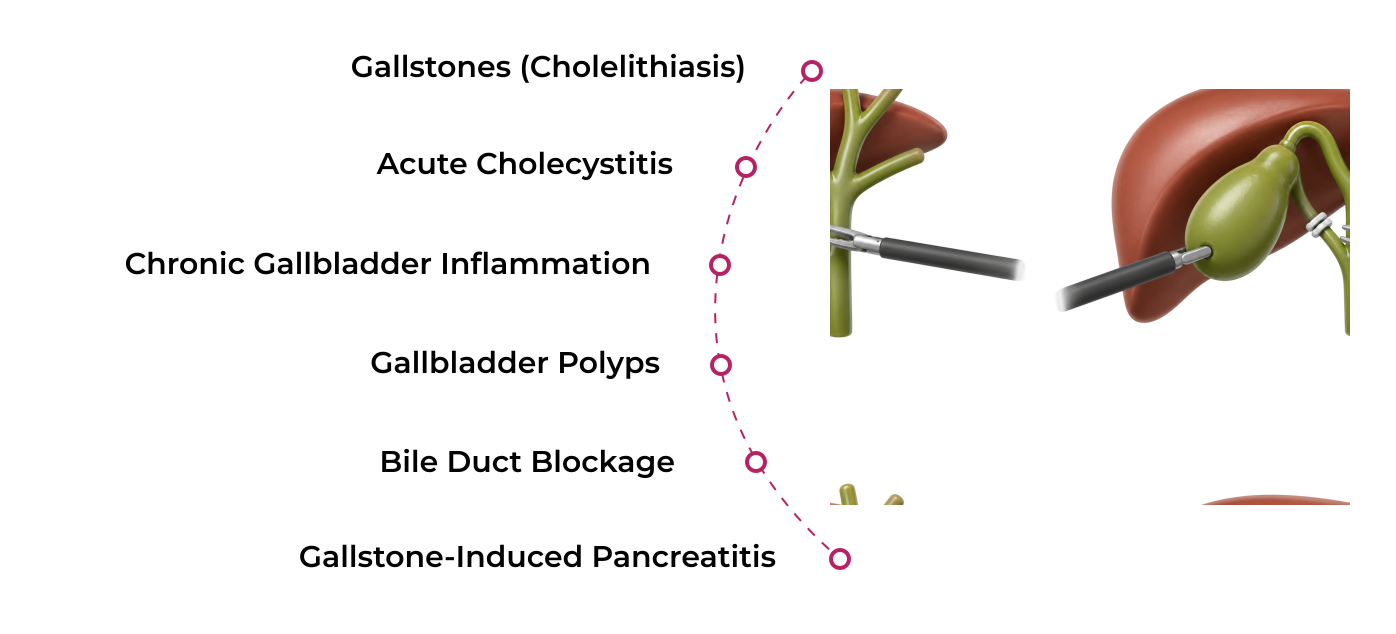
Conditions Treated with Gallbladder Removal Surgery
Gallbladder Removal Surgery Procedure: What Happens During Treatment?
Benefits of Gallbladder Removal Surgery
Gallbladder Removal Surgery is an effective treatment for gallbladder disorders and can significantly improve quality of life by eliminating recurring symptoms and preventing serious complications.
- Provides long-term relief from gallstone-related pain
- Prevents recurrent gallbladder infections
- Reduces the risk of bile duct obstruction
- Helps prevent gallstone pancreatitis
- Improves digestion and overall comfort
- Eliminates recurrent abdominal pain episodes
- Supports faster recovery with laparoscopic techniques
- Reduces the risk of future gallbladder complications
- Improves overall health and quality of life
Why Choose Ujala Cygnus Hospitals for Gallbladder Removal Surgery?

Experienced Gastrointestinal and Laparoscopic Surgeons
Our highly skilled surgeons have extensive experience in performing complex and minimally invasive gallbladder surgeries with a strong focus on patient safety and successful outcomes.

Advanced Surgical Technology
We utilise modern laparoscopic and diagnostic technologies to ensure precise treatment, reduced surgical trauma, and enhanced recovery.

Personalised Treatment Approach
Each patient receives an individualised treatment plan based on their symptoms, medical condition, and overall health requirements.

Comprehensive Patient Care
From diagnosis and surgery to rehabilitation and follow-up care, our multidisciplinary team provides continuous support throughout the treatment journey.
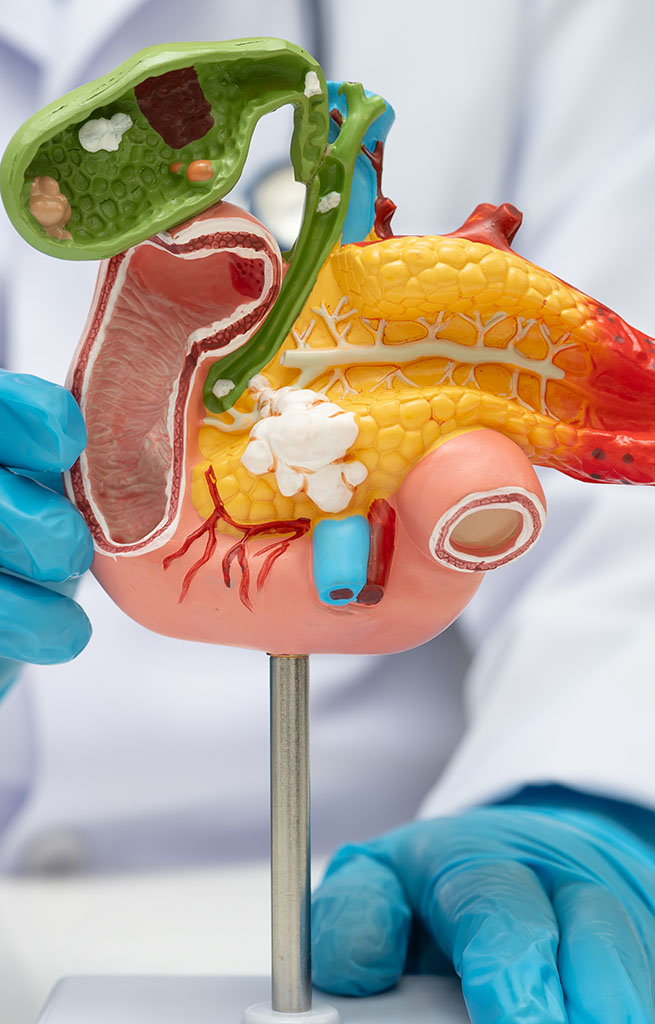
Possible Risks and Complications of Gallbladder Removal Surgery and How They Are Managed
Like all surgical procedures, Gallbladder Removal Surgery carries certain risks. However, most complications are uncommon and can be effectively managed with timely medical care.
Short-Term Risks
Infection
Minor infections may develop around the surgical site but are generally treatable with antibiotics and proper wound care.
Bleeding
Some bleeding may occur during or after surgery and is carefully monitored by the surgical team.
Pain and Discomfort
Temporary abdominal discomfort and incision site pain are common during the initial recovery period.
Nausea and Digestive Changes
Some patients may experience temporary digestive symptoms as the body adjusts after surgery.
Anaesthesia-Related Risks
Rare complications related to anaesthesia are minimised through comprehensive pre-operative evaluation.
Long-Term Risks
Bile Leakage
A rare complication where bile leaks from the ducts and requires prompt medical management.
Bile Duct Injury
Although uncommon, injury to the bile ducts may occur and require additional treatment.
Digestive Disturbances
A small number of patients may experience ongoing digestive changes following surgery.
Scar Tissue Formation
Internal scar tissue may occasionally develop after surgery and contribute to abdominal discomfort.
Persistent Symptoms
In rare cases, symptoms may continue due to other underlying gastrointestinal conditions.
Managing and Reducing Risks
Thorough Pre-Surgical Assessment
Comprehensive evaluations help identify potential risk factors before surgery.
Advanced Surgical Techniques
Modern laparoscopic approaches reduce complications and support quicker recovery.
Experienced Surgical Team
Expert surgeons follow established clinical protocols to maximise patient safety.
Regular Follow-Up Care
Ongoing monitoring ensures proper healing and early identification of any concerns.
Recovery and Support During Gallbladder Surgery Recovery
Diet and Nutrition
Patients are encouraged to follow a balanced diet and gradually reintroduce foods as recommended by their healthcare team. Maintaining hydration and healthy eating habits supports recovery and digestive health.
Exercise and Physical Activity
Light physical activity can usually begin shortly after surgery. Patients should avoid strenuous activities until cleared by their surgeon and follow rehabilitation advice carefully.
Mental Health and Emotional Wellbeing
Undergoing surgery can be stressful for some patients. Emotional support from healthcare professionals and family members can help improve confidence and recovery.
Follow-Up Care and Recovery
Regular follow-up appointments allow doctors to monitor healing, manage symptoms, and provide guidance on returning to normal activities. Most patients recover fully and experience significant symptom relief following surgery.
Patient Stories
Hip Replacement by
Dr. Indranil Halder

LNICU by
Dr. Rajeev Kumar

CKD Diabetes
CKD Diabetes
Knee Replacement by
Knee Replacement
TNBC Survivor by
Dr. Abid Lone
Spine Surgery by
Dr. Saurabh Kumar Sinha
Brain Surgery by
Dr. Saurabh Kumar Sinha
Hip Replacement by
Dr. Indranil Halder
NICU by
Dr. Rajeev Kumar
CKD Diabetes
CKD Diabetes
Knee Replacement by
Knee Replacement
TNBC Survivor by
Dr. Abid Lone
Spine Surgery by
Dr. Saurabh Kumar Sinha
Brain Surgery by
Dr. Saurabh Kumar Sinha
Latest Blogs








Frequently Asked Questions
What is Gallbladder Removal Surgery?
Gallbladder Removal Surgery, or Cholecystectomy, is a procedure used to remove the gallbladder to treat gallstones, inflammation, infection, and other gallbladder disorders.
Why would I need Gallbladder Removal Surgery?
The surgery is typically recommended for patients experiencing gallstones, recurrent abdominal pain, gallbladder inflammation, infection, or complications affecting the bile ducts or pancreas.
Is Gallbladder Removal Surgery safe?
Yes, Gallbladder Removal Surgery is considered a safe and commonly performed procedure, particularly when carried out by experienced surgeons using modern techniques.
How long does recovery take after Gallbladder Removal Surgery?
Most patients recover within a few weeks after laparoscopic surgery, although complete recovery timelines vary depending on individual health and surgical factors.
Can I live normally without a gallbladder?
Yes, most people live healthy and normal lives after gallbladder removal, as bile continues to flow directly from the liver into the digestive system.
What are the benefits of laparoscopic Gallbladder Removal Surgery?
Laparoscopic surgery typically offers smaller incisions, less pain, shorter hospital stays, quicker recovery, and lower risk of complications compared to traditional open surgery.