Ophthalmology Care at Our Hospitals
How you look and how you feel about your body are connected in ways that go deeper than appearance. An accident, illness, burn, birth difference, or surgery can change the way your body looks and functions – and that affects confidence, daily life, and mental wellbeing too. Plastic and reconstructive surgery isn’t just about aesthetics. Much of it is about restoring what’s been lost, correcting what causes discomfort, and helping people feel like themselves again. At Ujala Cygnus Hospitals, our plastic and reconstructive surgery team treats both – with skill, care, and an understanding that every patient’s situation is different.
Our surgeons work with patients who have been through trauma, cancer surgery, burns, congenital conditions, and complex wounds, as well as those seeking cosmetic procedures to improve how they look and feel. We use modern surgical techniques and evidence-based approaches to achieve results that are both functional and natural-looking.
We work closely with oncologists, orthopaedic surgeons, burns specialists, dermatologists, and reconstructive teams across the hospital – so treatment is coordinated, thorough, and tailored to you.
Whether you’re rebuilding after a major medical event or looking to make a change you’ve thought about for a long time, our team is here to help you make an informed decision and get the best possible outcome.
What is Plastic & Reconstructive Surgery?
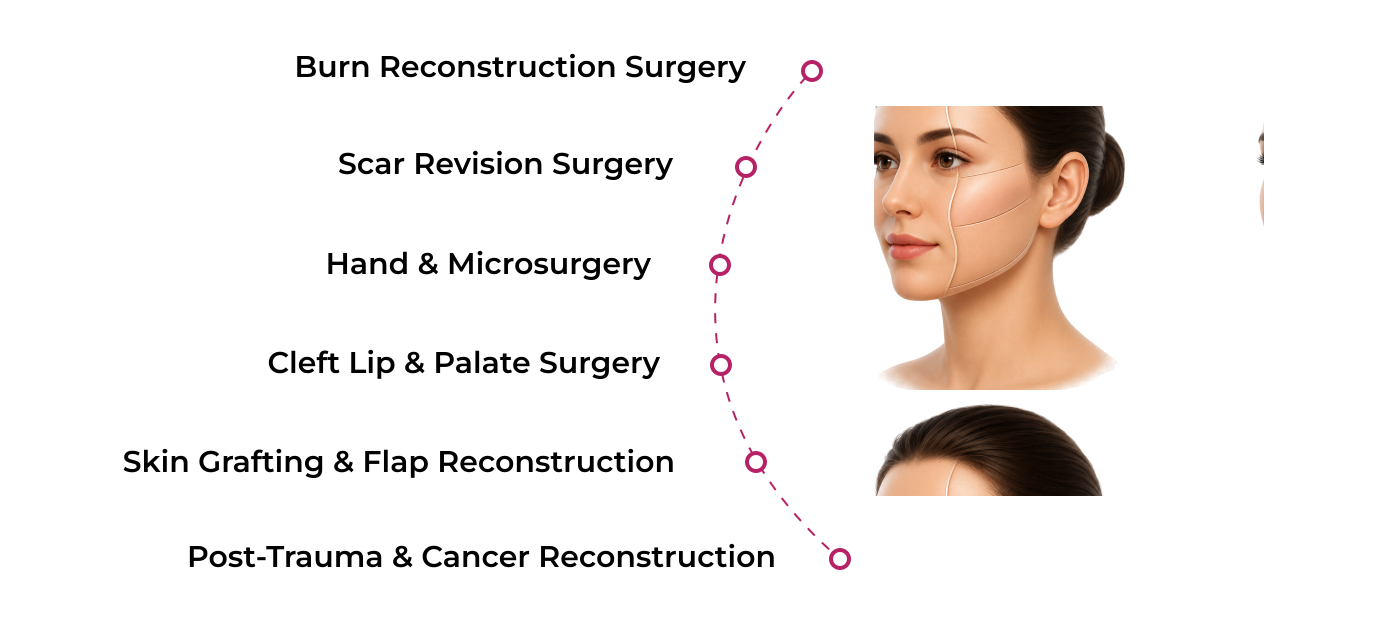
Plastic and reconstructive surgery covers a wide range of procedures aimed at repairing, restoring, or improving the body - both in terms of how it works and how it looks. The word "plastic" comes from the Greek word plastikos, meaning to shape or mould. It has nothing to do with synthetic materials.
Reconstructive surgery focuses on repairing damage caused by trauma, disease, infection, burns, or birth defects - restoring normal appearance and function. Cosmetic (aesthetic) surgery focuses on enhancing appearance for patients who are unhappy with certain features or the effects of ageing.
Both share the same surgical foundation - precision, careful tissue handling, and attention to the body's natural lines and structures. The difference lies mainly in the reason behind the procedure.
Types of Plastic & Reconstructive Surgery
The speciality covers a broad range of procedures across reconstructive and cosmetic surgery.
|
Subspecialty |
What it Addresses |
|
Reconstructive Surgery |
Repairing damage from trauma, cancer surgery, infections, burns, and complex wounds to restore appearance and function. |
|
Burns Surgery & Reconstruction |
Treating acute burns and reconstructing skin and tissue affected by severe burn injuries. |
|
Hand & Upper Limb Surgery |
Repairing injuries, nerve damage, tendon problems, and congenital differences affecting the hands, wrists, and arms. |
|
Breast Reconstruction |
Rebuilding the breast following mastectomy or lumpectomy for breast cancer, using implants or the patient's own tissue. |
|
Craniofacial Surgery |
Correcting skull, face, and jaw abnormalities - including those present from birth or caused by injury. |
|
Skin Cancer Surgery |
Removing skin cancer and reconstructing the affected area to restore both appearance and function. |
|
Cosmetic Surgery |
Procedures to improve appearance, including rhinoplasty, eyelid surgery, facelifts, liposuction, and body contouring. |
|
Cleft Lip & Palate Repair |
Surgical correction of cleft lip and palate in children, restoring normal appearance, feeding, and speech development. |
Symptoms & Situations You Should Never Ignore
Some conditions need prompt attention - leaving them too long can make treatment more complex and recovery harder. Speak to a specialist if you are dealing with any of the following:
- Wounds That Won't Heal: Persistent open wounds, ulcers, or surgical sites that aren't closing properly despite treatment.
- Skin Growths or Changes: New lumps, lesions, or changes in existing moles that could indicate skin cancer.
- Scarring That Affects Movement: Tight, thick, or raised scars - particularly after burns or surgery - that restrict how freely you can move.
- Congenital Differences: Birth conditions affecting the face, hands, skull, or body that impact function, development, or wellbeing.
- Breast Changes After Cancer Surgery: Asymmetry, skin changes, or concerns following mastectomy or lumpectomy that affect confidence or comfort.
- Hand or Finger Injury: Loss of grip, sensation, or movement following trauma, crush injuries, or tendon damage.
- Facial Injuries or Trauma: Cuts, fractures, or tissue damage to the face following accidents that need careful repair to avoid long-term scarring.
- Burn Injuries: Any significant burn - particularly to the face, hands, joints, or large areas of the body - that needs specialist care.
- Nerve Damage: Numbness, weakness, or loss of sensation following injury or surgery that isn't improving on its own.
- Cosmetic Concerns Affecting Wellbeing: Long-standing concerns about appearance that are genuinely affecting your confidence, mental health, or daily life.
If you're unsure whether your situation warrants a consultation, it's always worth asking. Early assessment usually leads to better options.
When Should You Consult a Plastic & Reconstructive Surgeon?
Consider booking a consultation if you:
- Have a wound, ulcer, or surgical site that isn't healing
- Need reconstruction following cancer surgery, including breast reconstruction
- Have suffered burns requiring specialist treatment or scar management
- Have a congenital condition affecting appearance or function
- Have experienced facial, hand, or soft tissue trauma
- Have a suspicious skin lesion or have been diagnosed with skin cancer
- Are living with scarring that restricts movement or causes discomfort
- Have nerve or tendon damage affecting hand or limb function
- Are considering a cosmetic procedure and want expert advice
- Have had a previous procedure elsewhere and are unhappy with the result
Early consultation gives you more options - and more time to make the right decision.
Conditions We Treat

Complex & Chronic Wounds
We treat non-healing wounds, pressure ulcers, diabetic foot ulcers, and post-surgical wounds using advanced techniques including skin grafting, flap reconstruction, and wound care management.

Burns & Burn Reconstruction
From acute burn treatment to long-term reconstruction, we manage burn injuries of all severities – focusing on restoring skin cover, reducing scarring, and improving function.

Skin Cancer
We remove basal cell carcinoma, squamous cell carcinoma, melanoma, and other skin cancers, and reconstruct the affected area to restore both appearance and function.

Breast Reconstruction
We offer reconstruction after mastectomy or lumpectomy using implant-based techniques or the patient's own tissue - helping women feel whole again after breast cancer treatment.

Hand & Upper Limb Conditions
We treat tendon injuries, nerve damage, hand fractures, Dupuytren's contracture, trigger finger, carpal tunnel syndrome, and congenital differences affecting the hand and arm.

Cleft Lip & Palate
Surgical repair of cleft lip and palate in infants and children, carefully timed to support normal feeding, speech, and facial development.
Advanced Surgical Techniques & Services
Why Choose Ujala Cygnus Hospitals for Plastic & Reconstructive Surgery?

Experienced Surgeons Across Reconstructive & Cosmetic Work
Our plastic surgeons are trained across the full breadth of the speciality - from complex reconstruction and microsurgery to cosmetic procedures - so you're in experienced hands whatever your situation.

Joined-Up Care With Other Specialities
Reconstructive surgery rarely happens in isolation. We work directly with oncologists, orthopaedic surgeons, burns teams, and dermatologists to make sure your surgical plan fits seamlessly with your wider treatment.

Modern Surgical Facilities
Our theatres are equipped for microsurgery, complex reconstruction, and cosmetic procedures, with dedicated recovery care and follow-up support built into every treatment plan.

Honest, Personalised Consultations
We take the time to understand what you're going through and what you're hoping to achieve. You'll get a straight, honest assessment - not a sales pitch - so you can make the right decision for you.
Our Medical Experts



Diagnostics & Pre-Surgical Assessment




Patient Stories
Hip Replacement by
Dr. Indranil Halder
LNICU by
Dr. Rajeev Kumar
CKD Diabetes
CKD Diabetes
Knee Replacement by
Knee Replacement
TNBC Survivor by
Dr. Abid Lone
Spine Surgery by
Dr. Saurabh Kumar Sinha
Brain Surgery by
Dr. Saurabh Kumar Sinha
Hip Replacement by
Dr. Indranil Halder
NICU by
Dr. Rajeev Kumar
CKD Diabetes
CKD Diabetes
Knee Replacement by
Knee Replacement
TNBC Survivor by
Dr. Abid Lone
Spine Surgery by
Dr. Saurabh Kumar Sinha
Brain Surgery by
Dr. Saurabh Kumar Sinha
Latest Blogs








Frequently Asked Questions
What's the difference between plastic surgery and reconstructive surgery?
Reconstructive surgery repairs damage caused by injury, illness, burns, or birth conditions – restoring function and appearance. Cosmetic surgery improves appearance in people who are otherwise healthy. Many surgeons practise both, and the techniques often overlap.
Is plastic surgery only for cosmetic reasons?
Not at all. A large part of plastic surgery is reconstructive – helping people recover from cancer surgery, burns, trauma, and congenital conditions. Cosmetic procedures are just one part of the speciality.
Will I have visible scarring after surgery?
All surgery leaves some degree of scarring. Our surgeons place incisions carefully along natural skin lines and use techniques designed to minimise scarring. We also offer scar management support after surgery.
How long does recovery take?
It depends on the procedure. Minor surgery may need only a few days of rest. Major reconstruction – such as flap surgery or breast reconstruction – can take several weeks, with a phased return to normal activity.
Is cosmetic surgery safe?
Like all surgery, cosmetic procedures carry some risk. We carry out thorough pre-operative assessments, operate in fully equipped surgical facilities, and provide close aftercare to minimise complications and support your recovery.
Can children have plastic surgery?
Yes, for medical reasons such as cleft lip and palate repair, correction of congenital differences, or treatment of burns and injuries. Cosmetic procedures in children are only considered in specific clinical circumstances.
What is microsurgery?
Microsurgery uses a microscope and very fine instruments to reconnect tiny blood vessels and nerves – usually during complex reconstruction to transfer tissue from one part of the body to another.
Can plastic surgery help after breast cancer treatment?
Yes. Breast reconstruction is a well-established part of cancer care, helping women restore their appearance and sense of self after mastectomy or lumpectomy. It can be done at the time of cancer surgery or later.
Do I need a referral for a cosmetic procedure?
Not necessarily. You can contact us directly to arrange a consultation for cosmetic surgery. For reconstructive procedures, a referral from your treating specialist is usually in place.
Why choose Ujala Cygnus Hospitals for plastic and reconstructive surgery?
Experienced surgeons, a full range of reconstructive and cosmetic services, modern surgical facilities, and honest consultations – all supported by a multidisciplinary team that works together around your care.