
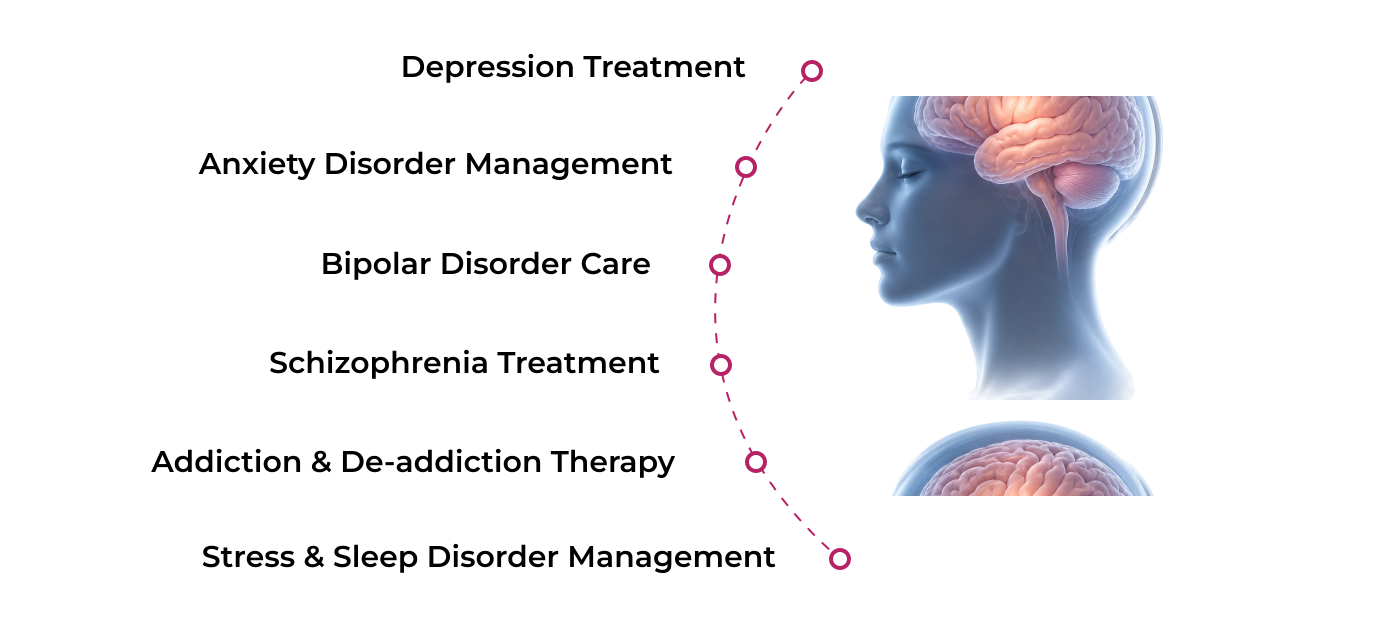
Psychiatry & Mental Health Care at Our Hospitals
Mental health problems are far more common than most people realise – and far more treatable than many people believe. Anxiety, depression, trauma, addiction, psychosis, and other mental health conditions can affect anyone, regardless of age, background, or circumstances. Yet many people wait months or even years before seeking help, often because they’re not sure what they’re experiencing, or because they worry about being judged. At Ujala Cygnus Hospitals, our psychiatry team provides confidential, compassionate mental health care – with no judgment, no pressure, and no waiting for things to get worse before getting support.
Our psychiatrists and mental health professionals work with patients experiencing a wide range of conditions – from anxiety and depression to bipolar disorder, schizophrenia, OCD, PTSD, eating disorders, and addiction. We carry out thorough assessments, make accurate diagnoses, and put together treatment plans that fit around the person – not just the condition.
We work closely with neurologists, psychologists, counsellors, social workers, and other specialists across the hospital to make sure mental health care is joined up with physical health care. Because the two are rarely separate.
If you or someone you care about is struggling – whether it’s something that’s been building for years or something that’s come on suddenly – our team is here to help you understand what’s happening and work out the best way forward.
What is Psychiatry?
Psychiatry is the branch of medicine concerned with the diagnosis, treatment, and long-term management of mental health conditions. Psychiatrists are fully qualified doctors who have gone on to specialise in mental health - which means they can assess both the psychological and physical aspects of what a person is going through.
Unlike psychologists or counsellors, psychiatrists can prescribe medication, order investigations, and manage complex or severe mental health conditions that require medical treatment alongside therapy.
Psychiatry covers mood disorders, anxiety disorders, psychotic disorders, personality disorders, eating disorders, addiction, neurodevelopmental conditions, and the mental health impact of physical illness - among many others. Treatment may include medication, structured therapy, lifestyle support, crisis management, and ongoing monitoring, depending on what's needed.
Types of Psychiatric Care
Psychiatry covers a broad range of specialised areas to support people of all ages and circumstances.
|
Subspecialty |
What it Addresses |
|
General Adult Psychiatry |
Assessment and treatment of anxiety, depression, bipolar disorder, psychosis, OCD, PTSD, and other common mental health conditions in adults. |
|
Child & Adolescent Psychiatry |
Mental health support for children and teenagers, including ADHD, autism, anxiety, depression, behavioural difficulties, and early-onset psychosis. |
|
Addiction Psychiatry |
Assessment and treatment of alcohol dependence, drug addiction, and behavioural addictions, including detox support and relapse prevention. |
|
Old Age Psychiatry |
Mental health care for older adults, including dementia assessment, depression in later life, delirium, and age-related cognitive decline. |
|
Liaison Psychiatry |
Mental health support within a general hospital setting - helping patients whose physical health conditions are affecting their mental wellbeing, or vice versa. |
|
Neuropsychiatry |
Assessment and treatment of mental health conditions linked to neurological problems - including brain injury, epilepsy, Parkinson's disease, and stroke. |
|
Forensic Psychiatry |
Specialist assessment and care for individuals whose mental health intersects with legal or criminal justice matters. |
Symptoms You Should Never Ignore
Mental health symptoms can be easy to dismiss, explain away, or push through - but early support genuinely makes a difference. Please speak to a doctor or psychiatrist if you or someone close to you is experiencing any of the following:
- Persistent Low Mood: Feeling sad, empty, or hopeless most of the time for more than two weeks - particularly if it's affecting sleep, appetite, or the ability to function.
- Severe Anxiety or Worry: Constant, overwhelming anxiety that's hard to control and is getting in the way of everyday life, work, or relationships.
- Panic Attacks: Sudden episodes of intense fear, racing heart, chest tightness, breathlessness, or dizziness that come on without warning.
- Hearing or Seeing Things Others Don't: Voices, visions, or experiences that feel real but others around you can't perceive.
- Extreme Mood Swings: Periods of very high energy, impulsivity, or grandiosity followed by crashes into low mood - or rapid mood changes that feel out of control.
- Thoughts of Self-Harm or Suicide: Any thoughts of hurting yourself or ending your life - these should always be taken seriously and assessed by a professional promptly.
- Withdrawal From People & Activities: Pulling away from friends, family, and things you used to enjoy, for no clear external reason.
- Disordered Eating: Restricting food, bingeing, purging, or a deeply troubled relationship with eating and body image that's affecting your health.
- Problems With Alcohol or Substances: Using alcohol or drugs to cope, finding it hard to stop, or noticing your use is causing problems at home or work.
- Memory Loss or Confusion: Increasing forgetfulness, disorientation, or changes in personality or behaviour - particularly in older adults.
- Difficulty Functioning at Work or Home: Struggling to concentrate, manage responsibilities, or get through the day in a way that's noticeably different from your usual self.
You don't need to be in crisis to seek help. If something feels wrong, it's worth talking to someone.
When Should You Consult a Psychiatrist?
Consider booking a consultation if you:
- Have been feeling persistently low, anxious, or emotionally overwhelmed
- Are experiencing mood swings, paranoia, or unusual thought patterns
- Have had thoughts of harming yourself or ending your life
- Are struggling with alcohol, drugs, or a behavioural addiction
- Have been through trauma and haven't been able to move past it
- Are experiencing memory loss, confusion, or personality changes
- Have a child or teenager whose behaviour or mood is causing concern
- Have a physical health condition that's seriously affecting your mental health
- Have been prescribed medication elsewhere but feel it isn't helping
- Simply feel that something isn't right and want a proper assessment
There's no threshold you need to cross before seeing a psychiatrist. If your mental health is affecting your life, that's reason enough.
Conditions We Treat

Depression
Depression is more than feeling sad. It's a medical condition that affects how you think, feel, sleep, eat, and function. We assess and treat depression of all severities - including treatment-resistant depression - using medication, therapy, and structured support.

Anxiety Disorders
From generalised anxiety and social anxiety to health anxiety and phobias, we help people understand what’s driving their anxiety and develop practical ways to manage it – without it running their life.

Bipolar Disorder
Bipolar disorder involves episodes of very high mood (mania or hypomania) and episodes of depression, sometimes with periods of stability in between. We provide diagnosis, mood-stabilising treatment, and long-term management.
Schizophrenia & Psychosis
Psychosis involves losing touch with reality - hearing voices, seeing things, or holding beliefs that others don't share. We provide careful assessment, antipsychotic treatment, and ongoing support for patients and their families.

Post-Traumatic Stress Disorder (PTSD)
PTSD can develop after any deeply distressing experience - not just combat or major disasters. We assess and treat PTSD using trauma-focused therapies and, where appropriate, medication.

Obsessive-Compulsive Disorder (OCD)
OCD involves unwanted, intrusive thoughts and repetitive behaviours carried out to relieve distress. We provide structured treatment - including cognitive behavioural therapy (CBT) and medication - to help people regain control.
Advanced Psychiatric Procedures
Why Choose Ujala Cygnus Hospitals for Psychiatry & Mental Health Care?

Experienced Psychiatrists Across All Areas
Our team includes psychiatrists with experience across general adult psychiatry, addiction, old age psychiatry, child and adolescent mental health, and neuropsychiatry - so whatever the condition, there's a specialist who knows it well.

Genuinely Confidential Care
Everything discussed in a psychiatric consultation is strictly confidential. Our team creates an environment where patients feel safe to speak openly – without fear of judgment or stigma.

Joined-Up With Physical Health Care
Mental and physical health are deeply connected. Our psychiatrists work alongside neurologists, physicians, and other specialists within the hospital to make sure the whole picture is considered - not just the mental health side in isolation.

Personalised Treatment Plans
No two people experience mental illness in exactly the same way. Every treatment plan is built around the individual - their symptoms, their history, their circumstances, and what they actually want from their care.

Our Medical Experts








Diagnostics & Psychiatric Assessment





Patient Stories

Hip Replacement by
Dr. Indranil Halder

LNICU by
Dr. Rajeev Kumar

CKD Diabetes
CKD Diabetes

Knee Replacement by
Knee Replacement

TNBC Survivor by
Dr. Abid Lone

Spine Surgery by
Dr. Saurabh Kumar Sinha

Brain Surgery by
Dr. Saurabh Kumar Sinha
Hip Replacement by
Dr. Indranil Halder
NICU by
Dr. Rajeev Kumar
CKD Diabetes
CKD Diabetes
Knee Replacement by
Knee Replacement
TNBC Survivor by
Dr. Abid Lone
Spine Surgery by
Dr. Saurabh Kumar Sinha
Brain Surgery by
Dr. Saurabh Kumar Sinha
Latest Blogs










Frequently Asked Questions
What's the difference between a psychiatrist and a psychologist?
A psychiatrist is a fully qualified doctor who specialises in mental health – they can diagnose conditions, prescribe medication, and manage complex cases. A psychologist has a degree in psychology and specialises in therapy and assessment, but doesn’t prescribe medication. Both play important roles, and they often work together.
Do I need a referral to see a psychiatrist?
You can contact us directly to arrange a consultation. In some cases a GP or specialist referral may be in place, but it isn’t always necessary – particularly for private consultations.
Will I definitely be put on medication?
Not at all. Medication is one option, not a foregone conclusion. Some conditions respond very well to therapy alone. Where medication is recommended, it will be explained clearly and the decision will always be made with you, not for you.
Is everything I say kept confidential?
Yes. Everything discussed in a psychiatric consultation is confidential. The only exceptions are very specific situations where there is a serious risk of harm to you or someone else – and even then, what happens next would be explained to you.
How long does a psychiatric assessment take?
An initial assessment typically takes between 60 and 90 minutes. It’s a conversation, not a test – you won’t be put on the spot, and there’s time to go at your own pace.
Can children and teenagers be seen by your psychiatry team?
Yes. We provide child and adolescent mental health assessments for young people experiencing anxiety, depression, ADHD, autism, behavioural difficulties, eating disorders, and other conditions.
What happens in a mental health crisis?
If you or someone you know is in crisis, please seek help immediately. Our team can provide urgent assessment and put a plan in place quickly – whether that means outpatient support, intensive follow-up, or inpatient care if needed.
Can psychiatry help with addiction?
Yes. Addiction is a medical condition, not a moral failing. Our addiction psychiatry service provides assessment, medically supported detox where appropriate, therapy, and long-term relapse prevention support.
How many appointments will I need?
It depends on the condition and what treatment involves. Some people need a short course of sessions; others benefit from longer-term support. Your psychiatrist will give you a realistic picture at your first appointment and review it as you go.
Why choose Ujala Cygnus Hospitals for psychiatry and mental health care?
Experienced psychiatrists, a full range of mental health services, confidential and non-judgmental care, and treatment plans built around you – supported by a wider multidisciplinary team that treats the whole person, not just the diagnosis.