
Fever With Chills: Common Causes, Treatment & When to See a Doctor

A fever with chills often indicates that the body is fighting an infection or responding to an underlying condition. In many cases, the fever is caused by a mild viral infection that goes away with rest and supportive care. However, the same symptoms can also occur with infections or other conditions that may not go away on their own and require timely medical attention. Knowing what may be causing the fever and chills is important for accurate medical evaluation and appropriate treatment. To help, in this blog, we’ll explore the common causes of fever with chills, their associated symptoms, treatment, and when to seek medical care.
What Causes Shivers during Fever?
Fever occurs when the body’s internal temperature rises above its usual range and often develops as part of the body’s immune response to an infection. During this period, the body’s temperature regulation centre may raise the internal temperature set point ; to reach this new set point, the body produces heat through rapid muscle contractions, which cause shivering. As a result, a patient may feel cold and experience chills even when their body’s temperature is elevated.
Common Causes of Fever With Chills
Fever with chills can develop due to several infections and medical conditions. The most common causes include:
1. Viral Infections
Viral infections are among the most common causes of fever with chills. Common examples include influenza, COVID-19 and other respiratory viral infections. Viral gastroenteritis and other viral illnesses can also cause fever.
Most uncomplicated viral infections improve with rest, adequate fluids and supportive care. However, persistent or worsening fever may require medical evaluation.
2. Bacterial Infections
Several bacterial infections can cause fever with chills. These may include pneumonia, urinary tract infections, kidney infections, bacterial gastroenteritis and bloodstream infections. The type of infection depends on the part of the body affected.
Some bacterial infections require antibiotic treatment. The choice of antibiotic depends on the suspected or confirmed infection and should be determined by a doctor.
3. Urinary Tract and Kidney Infections
Urinary tract infections can cause fever and chills, particularly when the infection spreads to the kidneys. Pyelonephritis, a bacterial infection of the kidneys, can cause more pronounced fever and chills and requires timely medical treatment.
4. Gastrointestinal Infections
Foodborne illnesses and other gastrointestinal infections can cause fever with chills. These infections may result from bacteria, viruses or parasites and can affect the digestive system.
5. Malaria and Other Mosquito-Borne Infections
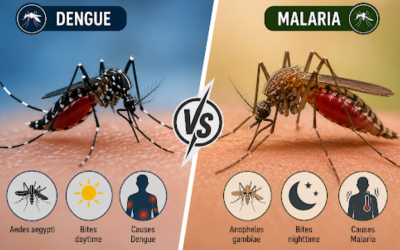
Mosquito-borne infections are another possible cause of fever with chills, particularly in areas where these diseases are prevalent. Malaria, dengue and chikungunya can cause fever, although their patterns and severity can vary.
Malaria, in particular, may cause episodes of chills followed by fever and sweating.
6. Other Causes
Not every case of fever with chills results from an infection. Inflammatory conditions, heat-related illness, certain medicines and other medical conditions can also cause an elevated body temperature.
Identifying the underlying cause is important because treatment varies depending on whether the fever results from a viral infection, bacterial infection, mosquito-borne disease or another condition.
Symptoms That May Occur With Fever and Chills
The symptoms can vary depending on the underlying cause. Common symptoms include:
- Shivering or feeling unusually cold
- Sweating
- Headache
- Muscle and body aches
- Weakness or tiredness
- Reduced appetite
- Dehydration
- Cough or sore throat
- Nausea or vomiting
- Diarrhoea
- Pain while urinating
The combination of symptoms can help a doctor determine whether you need further tests or treatment.
Diagnosis of Fever With Chills
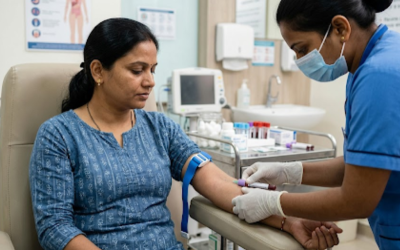
A doctor will usually begin the diagnosis by asking about the patient’s symptoms, their duration and any recent exposure to infections. The doctor may also check the patient’s temperature, blood pressure, heart rate, breathing and other vital signs. Based on the assessment, the doctor may recommend diagnostic tests such as:
- Blood tests: A complete blood count (CBC) and other blood tests can provide information about the body’s response to an illness or infection.
- Blood cultures: These tests may be recommended when there is a suspicion of bacteria or other microorganisms in the bloodstream.
- Urine tests: These can help identify urinary tract infections and other urinary conditions that may cause fever.
- Chest X-ray: This may be recommended when symptoms suggest a lung infection, such as pneumonia.
- Targeted infection tests: Depending on the symptoms and suspected cause, tests may be recommended for conditions such as malaria or specific viral infections.
Note: Not every test may be necessary. The treating doctor will recommend investigations based on the suspected cause and the patient’s symptoms.
Treatment for Fever With Chills
Treatment depends on the underlying cause. Mild fever can often be managed with supportive care while the body recovers.
Stay Hydrated
Drink plenty of fluids to replace the water lost through fever and sweating. Water, soups and other suitable fluids can help maintain hydration.
Get Adequate Rest
Rest gives your body time to recover. Avoid strenuous physical activity while you have a fever or feel weak.
Wear Comfortable Clothing
Avoid wrapping yourself in excessive layers even when you experience chills. Comfortable clothing and a suitable room temperature can help you remain comfortable while your body regulates its temperature.
Take Medicines Only as Advised
Paracetamol or ibuprofen may help reduce fever and discomfort in suitable patients. However, the choice and dose depend on factors such as age, medical history and other medicines you take.
Do not start antibiotics on your own. Antibiotics treat certain bacterial infections and do not work against viral infections.
Treat the Underlying Cause
If a doctor identifies an infection or another medical condition as the cause, treatment will focus on that condition. Depending on the diagnosis, this may include prescription medicines, fluids or other appropriate treatment.
When Should You See a Doctor for Fever With Chills?
You should consult a doctor if the fever:
- Does not improve or continues to worsen despite home care
- Keeps returning
- Remains high
- Occurs with persistent vomiting or diarrhoea
- Is accompanied by pain while urinating
- Occurs with severe weakness or dehydration
- Is accompanied by breathing difficulty or chest discomfort
- Occurs with a rash or severe headache
Adults with a temperature of around 39.4°C (103°F) or higher should seek medical advice, particularly if the fever is accompanied by other concerning symptoms.
Seek Emergency Medical Care for Severe Symptoms
Seek emergency medical care if fever with chills occurs with:
- Difficulty breathing
- Chest pain
- Confusion or unusual behaviour
- Severe headache or stiff neck
- Persistent vomiting
- Seizures
- Severe abdominal pain
- A concerning or non-fading rash
- Significant dehydration
These symptoms can indicate a potentially serious condition and require prompt medical assessment
Fever With Chills in Children and Infants
Parents should pay particular attention to fever in young children. Infants younger than three months with a temperature of 100.4°F (38°C) or higher require prompt medical assessment, as fever at this age can indicate a serious infection.
For older children, medical attention may be necessary if the fever persists, the child appears unusually sleepy or unwell, develops breathing difficulties, experiences repeated vomiting or shows other concerning symptoms.
Preventing Infections That Can Cause Fever and Chills
Not all causes of fever with chills are preventable, but several everyday measures can reduce the risk of common infections:
- Practise good hand hygiene: Wash hands regularly with soap and water, particularly before eating and after using the toilet.
- Follow food and water safety: Consume properly cooked food and safe drinking water to reduce the risk of gastrointestinal infections.
- Stay up to date with vaccinations: Recommended vaccines can help prevent infections that commonly cause fever.
- Prevent mosquito bites: Use insect repellent, wear appropriate clothing and use mosquito nets in areas where malaria and other mosquito-borne infections occur.
- Take travel precautions: Follow appropriate health advice when travelling to areas where certain infections are more common.
Get the Right Medical Care for Fever With Chills
Fever with chills can have many causes, so the right approach starts with identifying the underlying condition. At Ujala Cygnus Hospitals, our internal medicine specialists evaluate each patient based on their individual symptoms and medical history. Our specialists recommend appropriate diagnostic tests, such as blood tests, a chest X-ray and other investigations, to identify the cause of fever and determine the right course of treatment. For severe or rapidly worsening symptoms, we have emergency medical care to provide prompt assessment and treatment. To book a consultation with an Internal Medicine specialist at Ujala Cygnus Hospitals, call 9146691466.
FAQs
Why does a fever cause chills and shivering?
A fever can cause chills and shivering when the body raises its internal temperature set point in response to an illness. Muscle contractions generate heat, which can make a person feel cold or start shivering even as their body temperature rises.
What infections are commonly linked to fever with chills?
Several infections can cause fever with chills, including influenza, COVID-19, pneumonia, urinary tract infections and malaria. The likely cause depends on other symptoms, medical history and possible exposure to an infection.
How can you tell whether fever and chills may be related to dengue, malaria or a viral infection?
Symptoms alone cannot reliably distinguish between dengue, malaria and viral infections. Headache, body aches, cough, rash or gastrointestinal symptoms may provide clues, but doctors may need blood tests or other diagnostic tests to confirm the cause, particularly when malaria or dengue is suspected.
What other symptoms may occur along with fever and chills?
Fever and chills may occur with headache, body aches, fatigue, sweating, cough, sore throat, breathing difficulties, nausea, vomiting, diarrhoea, abdominal pain, urinary symptoms or a rash. The combination of symptoms can help doctors identify the possible cause.
Is fever with chills always a sign of an infection?
No. Infections commonly cause fever with chills, but certain medicines, inflammatory conditions and other medical problems can also cause a raised temperature. A doctor can assess the symptoms and medical history to determine the likely cause.
What can you do to feel more comfortable during an episode of fever and shivering?
Rest and drink plenty of fluids to reduce the risk of dehydration. Wear comfortable clothing and keep the room at a comfortable temperature. Adults may take paracetamol to relieve fever and discomfort when appropriate, following the recommended dose.
How long can chills continue when you have a fever?
Chills may last from a short period to several hours, depending on the underlying cause and how the fever changes. Persistent, recurrent or worsening chills warrant medical evaluation, particularly when other concerning symptoms occur.
Which symptoms alongside fever and chills require urgent medical attention?
Seek urgent medical attention for fever with chills accompanied by difficulty breathing, confusion, seizures, fainting, severe weakness, severe dehydration or rapidly worsening symptoms. These signs can indicate a serious illness that requires prompt assessment.
What tests may a doctor recommend to find the cause of fever with chills?
The tests depend on the symptoms and suspected cause. A doctor may recommend blood tests, including a complete blood count, blood cultures or targeted tests for infections such as malaria. Urine tests, chest X-rays and other investigations may also help identify the source of the fever.
Can Ujala Cygnus help diagnose and treat conditions that cause recurrent fever and chills?
Ujala Cygnus provides medical evaluation for conditions that can cause fever and chills. Internal medicine specialists can assess recurrent symptoms and recommend appropriate diagnostic tests and treatment. When an infection requires specialist management, patients may also receive infectious disease care, depending on the services available at the relevant Ujala Cygnus hospital.

+91-91466 91466
If you want to get a free consultation without any obligations, fill in the form below and we'll get in touch with you.
Request a Call Back
Our healthcare expert will contact you shortly to understand your requirements and assist you with the right care.
100% Confidential
Your information is safe and secure with us.
Quick Response
Our team will connect with you at the earliest.
Expert Guidance
Speak with our experienced healthcare professionals.
Request a Call Back
You Will Get a call within 1 hour
?? Your information is
safe & confidential.