
Know more about Blood cancer
Overview
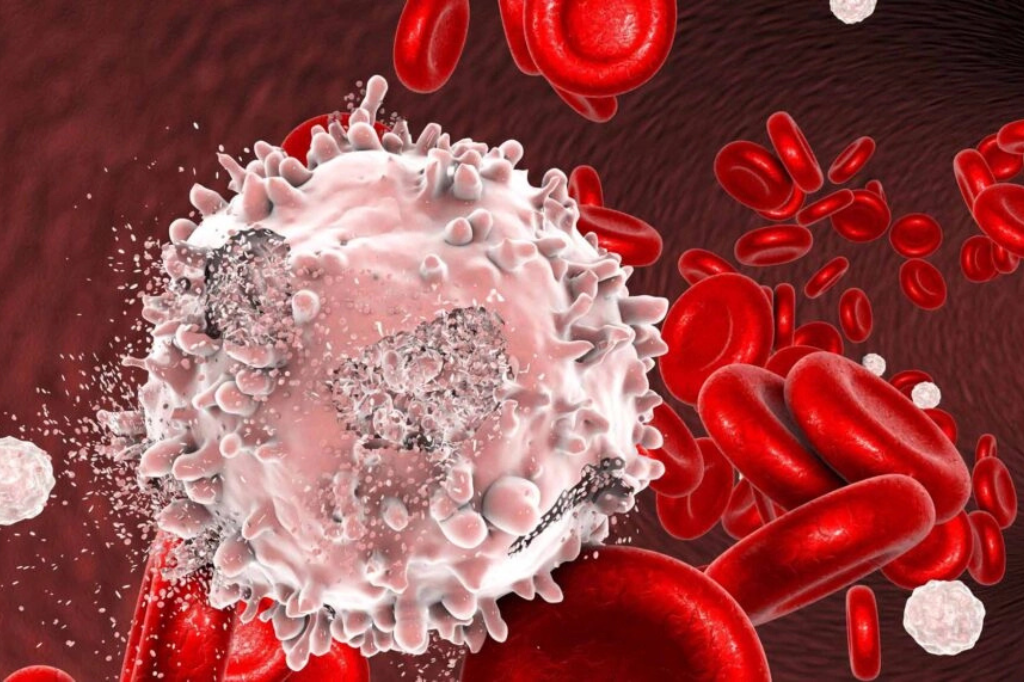
Blood cancers occur due to abnormal cell growth in the blood. Such abnormality affects their functionality of producing new cells and fighting off the infected ones. It usually originates in the bone marrow. Blood cancer can be fatal since it can spread easily. Radiation therapy can help reduce blood cancer’s effects, but a complete cure is rare.
Types
Blood cancer can be of the following types:
- Leukemia: This is caused due to an irregular increase in the production of white blood cells. It weakens the ability of red blood platelets and makes it difficult to fight off infections.
- Myeloma: Here, cancer occurs in plasma cells. It weakens one’s immune system and makes one more prone to catching infections.
- Lymphoma: It refers to cancer affecting the lymphatic system. Like myeloma, lymphoma also affects the patient’s immune system extensively.
- Myelodysplastic syndrome: This arises when the blood marrow doesn’t produce sufficient healthy blood cells. The unhealthy blood cells won’t work properly, adversely affecting the patient’s immunity.
- Myeloproliferative disorder: Caused due to severe changes in the stem cells, the myeloproliferative disorder can be quite deadly. Fatigue, pale skin, weakness, loss of appetite and belly aches are all symptoms of myelodysplastic syndrome.
Causes
Blood cancer is usually caused due to mutations in one’s DNA. Other tha this, certain risk factors could increase the chances of developing blood cancer. Some of them are:
- Smoking
- History of blood cancer in the family
- Exposure to harsh chemicals
- Age
- Males are at higher risk of contracting blood cancer than females
- History of any blood cancer in the past
- Obesity
- Weak immune system
Symptoms
The symptoms of blood cancer are as follows:
- Weight loss
- Weakness
- Fatigue
- Loss of appetite
- Fever
- Back pain
- Bone pain
- Abdominal pain
- Rashes
Diagnosis
Several tests are conducted to diagnose blood cancer. Some of them are:
- Imaging scans: Imaging scans like CT, MRI, PET, X-ray and ultrasounds can be ordered by your doctor.
- Biopsy: A small part of the bone marrow and the lymph node may be extracted and examined to detect cancer.
- Blood test: Blood tests are vital since they show abnormalities in the blood count.
Treatment
Treatment for blood cancer will depend on the type of cancer, the patient’s age and the speed of its progression. However, generally, treatment for blood cancer may include the following:
- Chemotherapy: Here, specific anticancer drugs are used to stop the growth and progression of cancer cells.
- Stem cell transplantation: Here, healthy blood-forming cells are infused into the body.
- Radiation therapy: This is conducted to relieve pain and destroy cancer cells.
Prevention
You can take certain measures to reduce the risks of contracting blood cancer. They are:
- Quit smoking
- Maintain a balanced diet
- Maintain a healthy weight
- Be physically active
- Don’t share needles
- Get regular medical checkups



+91-91466 91466
If you want to get a free consultation without any obligations, fill in the form below and we'll get in touch with you.
Request a Call Back
Our healthcare expert will contact you shortly to understand your requirements and assist you with the right care.
100% Confidential
Your information is safe and secure with us.
Quick Response
Our team will connect with you at the earliest.
Expert Guidance
Speak with our experienced healthcare professionals.
Request a Call Back
You Will Get a call within 1 hour
?? Your information is
safe & confidential.