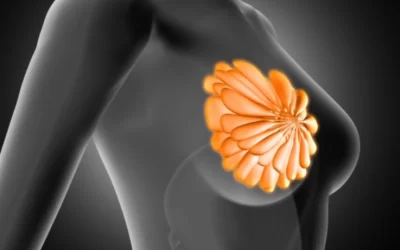
Know more about Radiation Therapy
Overview
Radiation therapy, also called Radiotherapy, is a kind of cancer treatment that uses high doses of radiation to destroy cancer cells and shrink tumour cells. X-rays are most commonly used in radiation therapy, but in some cases, various other types of energy, like photons, can also be used. Radiation therapy at high doses targets cancerous cells and considerably slows down their growth by damaging their DNA. As a result, cancerous cells stop further dividing, break down and eventually die. The body then removes these. Apart from cancerous cells, radiation therapy also targets the body’s normal cells because it is impossible for the x-ray beams to differentiate between the healthy and the cancerous cells. This often leads to several side effects in the body. These side effects, however, improve within a few weeks after treatment, but in some instances, they may persist even longer.
When deciding on the course of treatment, the doctor considers the following factors:
- Type of cancer
- Position of cancer in the body
- Any other treatment which has been planned
- Overall health and fitness
Radiotherapy, to treat cancer, usually lasts between 1 to 7 weeks.
To relieve symptoms and treat cancer by Radiotherapy, patients undergo anything between a single treatment session to approximately two weeks of treatment. In some cases, it can be longer than this. The oncologist will decide the number of treatment sessions a patient will have after a thorough assessment.
Aim of Radiation Therapy
Radiation therapy aims to administer a high dose of treatment to the cancerous cells with emphasis on a relatively lower dose to the normal, healthier cells. By doing this, there is a better chance of recovery for the patient with minimal side effects.
Types
There are two main types of radiation therapy. These are as follows:
- Internal beam radiation therapy
- External beam radiation therapy
There are various factors that determine the type of radiation therapy to be received by the patient. These factors are:
Internal beam radiation therapy
In this procedure, the oncologist implants a source of radiation into the body of the patient adjacent to the cancer site. The source of radiation can be either solid or liquid. Internal radiation therapy, when administered through a solid source, is called Brachytherapy, whereas if administered with a liquid source is called Systemic therapy. Brachytherapy is a local treatment that focuses only on a particular part of the body. Ribbons, balloons or seeds are commonly used in Brachytherapy. Systemic radiation therapy is received through a vein with the help of an IV line or through an injection.
External beam radiation therapy
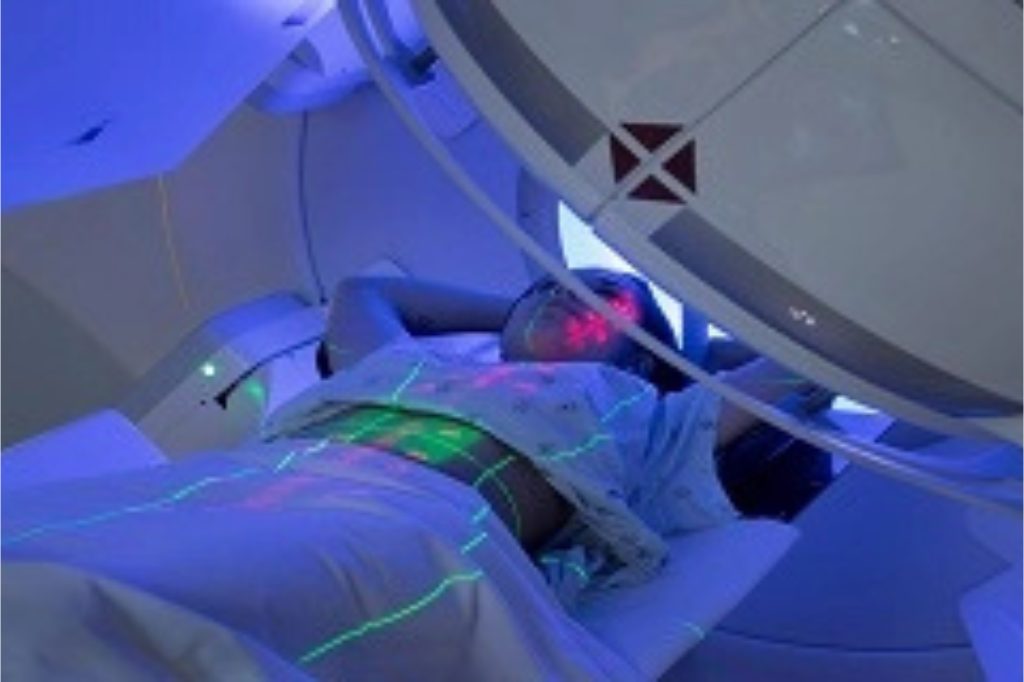
In this procedure, radiation waves are emitted and focused on the site of cancer through a large machine. The machine, however, doesn’t come in contact with the body of the patient but moves all around to send radiation to the affected area from different directions. This procedure also targets a particular part of the body. In the case of breast cancer or lung cancer, the radiation is targeted only at the chest area instead of the entire body.
Side Effects
Possible side effects resulting from radiation therapy are as follows:



+91-91466 91466
If you want to get a free consultation without any obligations, fill in the form below and we'll get in touch with you.
Request a Call Back
Our healthcare expert will contact you shortly to understand your requirements and assist you with the right care.
100% Confidential
Your information is safe and secure with us.
Quick Response
Our team will connect with you at the earliest.
Expert Guidance
Speak with our experienced healthcare professionals.
Request a Call Back
You Will Get a call within 1 hour
?? Your information is
safe & confidential.