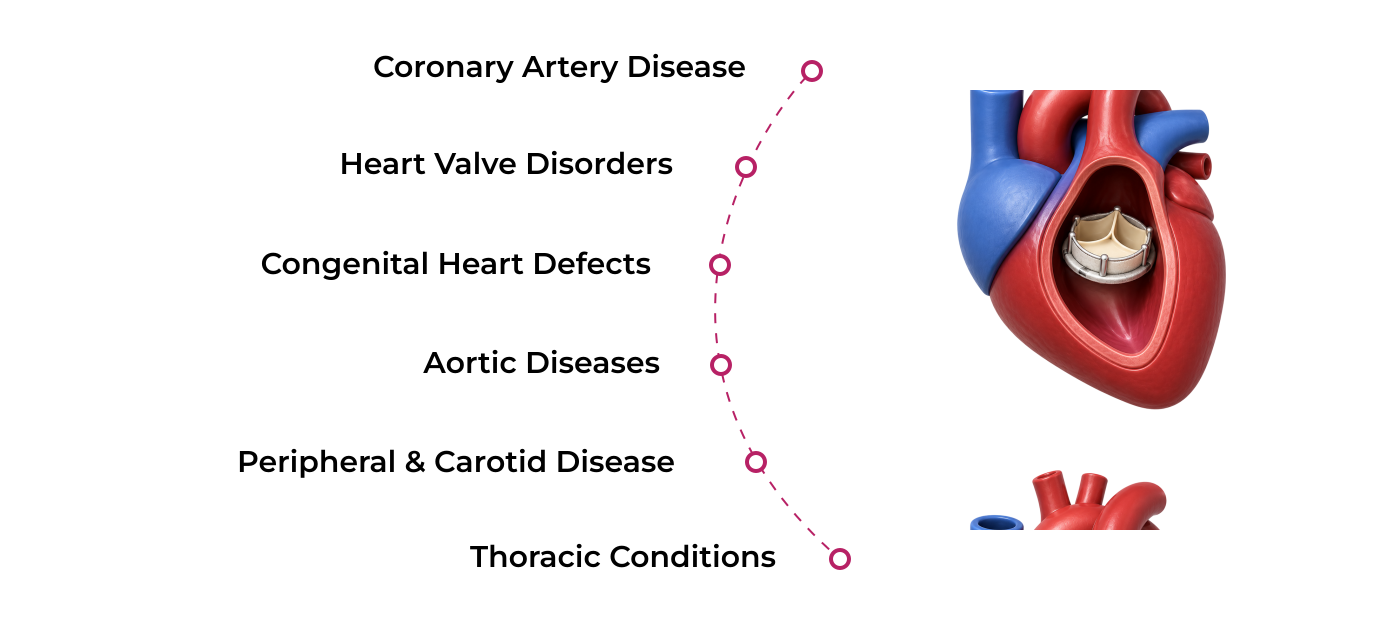
Complex conditions affecting the heart, lungs, and major blood vessels can be life-threatening, requiring timely diagnosis and specialised surgical care. At Ujala Cygnus Hospital, Bahadurgarh, our Cardiothoracic and Vascular Surgery (CTVS) department, with a team of experienced CTV surgeons, is equipped to provide comprehensive evaluation and treatment for a wide range of cardiac, thoracic, and vascular conditions. Our CTVS specialists work closely with other experts such as cardiologists, anaesthesiologists, critical care specialists, radiologists, rehabilitation experts, and other specialists to develop personalised treatment plans and support patients through every step of their journey to recovery.
Our CTVS Care in Bahadurgarh
No experts found.
What is Cardiothoracic and Vascular Surgery (CTVS)?
Cardiothoracic and Vascular Surgery (CTVS) is a specialised branch of surgery that focuses on the diagnosis and surgical treatment of conditions affecting the heart, chest, lungs, and blood vessels. CTV surgeons manage a wide range of conditions, including coronary artery disease, heart valve disorders, diseases affecting the aorta, congenital heart conditions, and disorders involving the blood vessels.
Depending on the condition, CTVS treatment may involve planned surgical procedures, minimally invasive approaches, or emergency interventions. The aim of treatment is to address the underlying condition, improve blood flow, restore function, and reduce the risk of complications while supporting the patient’s overall health and recovery. CTV surgeons work closely with cardiologists, critical care specialists, anaesthesiologists, radiologists, physiotherapists, and rehabilitation teams to ensure comprehensive care throughout the patient journey, from diagnosis and treatment planning to surgery and post-operative recovery.
How is Cardiology Different from CTVS?
Cardiology and Cardiothoracic and Vascular Surgery (CTVS) both focus on conditions affecting the heart and blood vessels, but they involve different approaches to diagnosis and treatment. A cardiologist primarily manages heart conditions through medicines, lifestyle modifications, and non-surgical procedures, while a CTV surgeon specialises in the surgical treatment of conditions that require an operation. Both specialists often work together to ensure that patients receive the most appropriate care based on their condition, symptoms, and overall health.
|
Cardiology |
CTVS |
|
Focuses on the diagnosis and medical management of heart and blood vessel conditions. |
Focuses on the surgical treatment of conditions affecting the heart, chest, and blood vessels. |
|
Commonly manages conditions such as high blood pressure, heart rhythm disorders, coronary artery disease, and heart failure. |
Treats conditions such as blocked heart arteries requiring bypass surgery, heart valve disorders, aortic diseases, and complex vascular conditions. |
|
Treatment may include medicines, lifestyle changes, angioplasty, stenting, and other non-surgical procedures. |
Treatment may involve planned or emergency surgeries, along with pre-operative assessment, post-operative care, and rehabilitation when required. |
When Should You Consult a CTVS Specialist?
You may be referred to a CTV surgeon when a heart, chest, or blood vessel condition requires further evaluation to determine whether surgical treatment is needed. While not every cardiovascular condition requires surgery, a timely consultation can help assess the severity of the condition, understand available treatment options, and plan appropriate care when surgical intervention may provide benefit.
You should consult a CTV surgeon if you experience or have been diagnosed with:
- Coronary artery disease with significant blockages that may require bypass surgery.
- Severe chest pain or symptoms caused by reduced blood supply to the heart.
- Heart valve disorders that affect the normal functioning of the heart.
- Breathlessness, fatigue, or reduced exercise tolerance related to structural heart conditions.
- Diseases affecting the aorta, including aneurysms or other abnormalities requiring surgical assessment.
- Blood vessel conditions causing reduced circulation, pain, or other vascular symptoms.
- Congenital heart conditions that may require surgical correction.
- Conditions referred by a cardiologist for evaluation of possible surgical treatment.
At Ujala Cygnus Hospital, Bahadurgarh, the CTVS team evaluates each patient’s condition through detailed clinical assessment and diagnostic investigations to determine whether surgery is required or whether another treatment approach may be more appropriate. Early consultation helps patients understand their condition, explore available treatment options, and receive care planned according to their individual health needs.
Cardiothoracic and Vascular Conditions Treated at Ujala Cygnus Hospital, Bahadurgarh
The CTVS team evaluates and treats a wide range of conditions affecting the heart, chest, lungs, and blood vessels. Each condition is assessed carefully, and treatment is planned based on the patient’s diagnosis, severity of the condition, overall health, and whether surgical intervention is the most appropriate option.
Coronary Artery Disease (CAD)
Coronary artery disease occurs when the arteries supplying blood to the heart become narrowed or blocked due to plaque buildup. Reduced blood flow to the heart muscle can cause chest pain, breathlessness, and increase the risk of heart attack. When blockages are severe or cannot be managed through other treatments, coronary artery bypass grafting (CABG) may be recommended to restore blood supply to the heart.
Heart Valve Disorders
Heart valve disorders occur when one or more valves of the heart become narrowed or do not close properly, affecting the normal flow of blood through the heart. These conditions may cause symptoms such as breathlessness, fatigue, chest discomfort, and swelling. Depending on the severity of the condition, treatment may involve valve repair or valve replacement surgery.
Aortic Diseases
The aorta is the largest blood vessel in the body and carries blood from the heart to other organs. Conditions such as aortic aneurysms, where a weakened area causes the vessel to enlarge, or other structural abnormalities may require specialised evaluation. Surgical treatment may be considered to prevent complications and manage the condition effectively.
Congenital Heart Conditions
Congenital heart conditions are structural abnormalities of the heart that are present from birth. Some conditions may require surgical correction to improve heart function, support normal circulation, and prevent long-term complications. Treatment decisions depend on the type and severity of the condition.
Peripheral Vascular Diseases
Peripheral vascular diseases affect blood vessels outside the heart, commonly involving the arteries that supply blood to the arms and legs. Reduced blood flow may lead to symptoms such as pain while walking, numbness, weakness, or delayed wound healing. Surgical or other vascular interventions may be considered when circulation is significantly affected.
Vascular Trauma
Injuries to blood vessels caused by accidents, trauma, or other conditions may require urgent specialist evaluation. Depending on the location and extent of the injury, vascular surgery may be required to repair damaged vessels and restore normal blood flow.
Thoracic Conditions
Thoracic conditions affect structures within the chest, including the lungs and surrounding tissues. Certain chest conditions may require surgical assessment and treatment depending on their cause, severity, and impact on overall health.
CTVS Diagnostics Available at Ujala Cygnus Hospital, Bahadurgarh
Before recommending surgery or another treatment approach, the CTVS team performs a detailed evaluation to understand the patient’s heart function, the severity of the condition, and overall health status. The diagnostic process may include a review of medical history, physical examination, and specialised investigations to support accurate diagnosis and treatment planning.
Electrocardiogram (ECG)
An electrocardiogram (ECG) records the electrical activity of the heart and helps evaluate heart rhythm and other cardiac abnormalities. It is commonly used as part of the initial assessment of patients with symptoms such as chest discomfort, palpitations, or breathlessness.
Echocardiography (ECHO)
Echocardiography uses ultrasound waves to create images of the heart. It helps assess the structure and function of the heart, including the condition of heart valves, pumping ability, and movement of the heart chambers.
Coronary Angiography
Coronary angiography is an imaging test used to examine the coronary arteries that supply blood to the heart muscle. It helps identify narrowing or blockages in the arteries and supports treatment planning for patients with coronary artery disease.
CT Angiography
CT angiography uses advanced imaging technology to create detailed pictures of blood vessels. It may help evaluate abnormalities such as narrowing, blockages, or other conditions affecting the arteries and veins.
Cardiac Stress Testing
A cardiac stress test evaluates how the heart responds to increased activity or workload. It may help assess symptoms such as chest pain or breathlessness and provide information about heart function during physical stress.
Blood Tests
Blood investigations may be recommended to assess factors that can affect heart health and surgical planning. These may include tests to evaluate cholesterol levels, blood sugar, kidney function, and other parameters required before treatment.
Pre-operative Cardiac Assessment
Before a surgical procedure, patients undergo a detailed pre-operative evaluation to assess overall health, anaesthesia requirements, and surgical risks. This helps the medical team plan appropriate care before, during, and after the procedure.
CTVS Procedures and Treatments at Ujala Cygnus Hospital, Bahadurgarh
CTVS treatment is planned according to the patient’s diagnosis, severity of the condition, overall health, and expected benefits of surgery. After a detailed evaluation, the CTVS team recommends the most appropriate procedure to address the underlying condition and support better heart and vascular function. Depending on the requirement, treatment may involve planned surgeries, minimally invasive approaches, or emergency interventions.
Coronary Artery Bypass Grafting (CABG)
Coronary artery bypass grafting (CABG) is a surgical procedure performed to improve blood flow to the heart when coronary arteries become significantly narrowed or blocked. During the procedure, a healthy blood vessel from another part of the body is used to create an alternate pathway for blood flow around the blocked artery, helping restore circulation to the heart muscle.
Heart Valve Repair and Replacement
Heart valve surgery may be recommended when damaged or diseased valves affect the normal flow of blood through the heart. Depending on the condition of the valve, the procedure may involve repairing the existing valve or replacing it with an artificial or biological valve to improve heart function.
Aortic Surgery
Aortic surgery is performed for selected conditions affecting the aorta, such as aneurysms or other structural abnormalities. The procedure aims to manage the affected portion of the aorta, reduce the risk of complications, and support safe blood circulation.
Vascular Surgery
Vascular surgery focuses on the treatment of conditions affecting blood vessels outside the heart. Procedures may be performed to repair damaged vessels, improve blood flow, or manage blockages affecting circulation in different parts of the body.
Minimally Invasive Cardiothoracic Procedures
For selected conditions, minimally invasive surgical techniques may be considered. These procedures use specialised instruments and smaller incisions, which may help reduce tissue disruption and support recovery. The suitability of minimally invasive surgery depends on the patient’s diagnosis and overall clinical condition.
Emergency Cardiothoracic and Vascular Procedures
Certain heart and blood vessel conditions require urgent surgical intervention. Emergency CTVS procedures may be needed in situations such as severe heart complications, major blood vessel injuries, or other critical conditions requiring immediate specialist care.
Why Choose Ujala Cygnus Hospital, Bahadurgarh for CTVS?
Conditions affecting the heart, chest, and blood vessels often require timely diagnosis, specialised surgical expertise, and coordinated care from multiple medical teams. At Ujala Cygnus Hospital, Bahadurgarh, patients receive comprehensive CTVS care supported by experienced specialists, advanced diagnostic facilities, modern surgical infrastructure, and dedicated critical care services.
Comprehensive CTVS Care
Patients receive support throughout their treatment journey, from initial consultation and diagnostic evaluation to surgery, post-operative monitoring, and recovery. Each treatment plan is developed after considering the patient’s diagnosis, overall health, and individual care requirements.
Multidisciplinary Team Approach
CTVS care often involves collaboration between different medical specialists to ensure coordinated treatment. The CTVS team works closely with cardiologists, critical care specialists, anaesthesiologists, radiologists, physiotherapists, rehabilitation experts, and other healthcare professionals to support patients before, during, and after surgery.
Advanced Diagnostic and Surgical Support
Access to advanced diagnostic services, modern operation theatres, anaesthesia support, and dedicated critical care facilities helps the team manage a wide range of cardiothoracic and vascular procedures. These facilities support accurate diagnosis, careful surgical planning, and appropriate post-operative care.
Emergency Cardiothoracic and Vascular Care
Certain heart and vascular conditions require immediate medical attention and timely intervention. The hospital’s emergency and critical care services support the evaluation and management of patients requiring urgent cardiothoracic and vascular care.
Patient-Centred Care Close to Home
Patients from Bahadurgarh and nearby regions can access specialised CTVS care without travelling long distances for evaluation, surgery, and follow-up. Providing advanced surgical care closer to home helps make consultations, treatment, and recovery more convenient for patients and their families.
Part of an NABH-Accredited Healthcare Network
Ujala Cygnus is part of an NABH-accredited healthcare network committed to maintaining established standards of patient safety and quality care. By combining specialist expertise with coordinated clinical services, the hospital focuses on providing comprehensive CTVS care tailored to each patient’s individual needs.
Latest Blogs







Frequently Asked Questions
Which heart, chest, and vascular conditions are treated at the CTVS hospital in Bahadurgarh?
The CTVS team provides surgical evaluation and treatment for a wide range of conditions affecting the heart, chest, and blood vessels. These may include coronary artery disease, heart valve disorders, aortic conditions, congenital heart conditions, peripheral vascular diseases, and other conditions requiring specialised surgical care.
Is bypass (CABG) surgery available at Ujala Cygnus Hospital, Bahadurgarh?
Yes, Ujala Cygnus Hospital, Bahadurgarh provides evaluation and surgical care for patients who may require CABG Surgery. Coronary artery bypass grafting is performed for selected patients with significant blockages in the coronary arteries when bypass surgery is considered the most appropriate treatment option after detailed assessment by the cardiac surgery team.
What advanced heart surgery facilities are available at Ujala Cygnus Bahadurgarh?
Ujala Cygnus Hospital, Bahadurgarh provides access to advanced diagnostic services, modern operation theatres, anaesthesia support, and dedicated critical care facilities to support various cardiothoracic and vascular procedures. The hospital follows a coordinated approach involving cardiac specialists, surgeons, and supporting departments to ensure comprehensive care throughout treatment.
Do you provide emergency cardiac and vascular surgery services in Bahadurgarh?
Yes, emergency cardiac and vascular conditions require timely evaluation and specialised care. Ujala Cygnus Hospital, Bahadurgarh provides emergency assessment and critical care support for patients requiring urgent intervention for serious heart and blood vessel conditions.
Can patients from nearby cities visit Ujala Cygnus Bahadurgarh for CTVS treatment?
Yes, patients from Bahadurgarh and nearby cities can access specialised CTVS care at Ujala Cygnus Hospital. The hospital provides evaluation, surgical treatment, and follow-up support, helping patients receive specialised cardiac care closer to home.
Which is the best CTVS hospital in Bahadurgarh?
When choosing a CTVS hospital, patients should consider factors such as experienced cardiac surgeons, advanced diagnostic facilities, surgical infrastructure, critical care support, and comprehensive post-operative care. At Ujala Cygnus Hospital, Bahadurgarh, patients receive coordinated care from experienced specialists, including the Cardiology Department and CTVS team, to support diagnosis, treatment planning, surgery, and recovery.
Can patients receive minimally invasive heart surgery at Ujala Cygnus Bahadurgarh?
Minimally invasive surgical approaches may be considered for selected patients depending on their diagnosis, overall health, and the complexity of the condition. The CTVS team evaluates each case individually to determine the most suitable surgical approach.
How is a patient evaluated before CTVS surgery?
Before recommending surgery, the CTVS team performs a detailed evaluation that may include medical history review, physical examination, imaging tests, cardiac assessments, and other investigations. This evaluation helps the surgeons understand the condition, assess surgical suitability, and plan personalised treatment.
What post-operative care and cardiac rehabilitation support are available after surgery?
After CTVS procedures, patients may require close monitoring, medication management, physiotherapy, and rehabilitation support as part of recovery. The care team works with patients to support gradual recovery, improve mobility, and help them follow recommended lifestyle and follow-up plans after surgery.
Do you provide treatment for vascular diseases along with cardiac surgery?
How can I book a consultation with a CTV surgeon at Ujala Cygnus Bahadurgarh?
Patients can book a consultation with the CTVS team at Ujala Cygnus Hospital, Bahadurgarh, by calling 9146691466 or using the hospital’s online appointment booking platform. During the consultation, the cardiac surgeon assesses the patient’s condition, reviews medical reports, and recommends the most appropriate treatment approach based on individual health needs.