Advanced Epilepsy Treatment at Ujala Cygnus Hospitals
At Ujala Cygnus Hospitals, we offer comprehensive epilepsy diagnosis and treatment services for patients experiencing recurrent seizures, unexplained loss of consciousness, abnormal movements, or neurological symptoms associated with epilepsy. Early diagnosis and appropriate treatment are essential to reduce seizure frequency, prevent complications, and support long-term brain health.
Our multidisciplinary neurology team includes neurologists, neurosurgeons, neurophysiologists, rehabilitation specialists, psychologists, and specialised nursing staff who work together to develop individualised treatment plans based on each patient's condition and seizure type.
Using advanced diagnostic technologies such as Electroencephalography (EEG), Video EEG Monitoring, MRI Brain Scans, CT Scans, and neurological assessments, we identify the underlying cause of seizures and provide evidence-based treatment strategies to help patients lead safer and more independent lives.
What is Epilepsy Treatment?
Epilepsy Treatment refers to a range of medical therapies and neurological interventions used to control seizures, reduce their frequency, and improve overall quality of life for individuals diagnosed with epilepsy. Treatment aims to prevent recurrent seizures while addressing the underlying neurological condition whenever possible.
The treatment approach depends on the type of epilepsy, seizure frequency, patient age, overall health, and response to medications. While many patients achieve good seizure control with anti-epileptic medicines, some individuals may require advanced therapies such as epilepsy surgery, vagus nerve stimulation (VNS), ketogenic dietary therapy, or other specialised neurological treatments.
Types of Epilepsy Treatment
Anti-Epileptic Medication Therapy
The most common treatment approach, involving medications that help control abnormal electrical activity in the brain and reduce seizure occurrence.
Ketogenic Diet Therapy
A medically supervised high-fat, low-carbohydrate diet that may help reduce seizures, particularly in children with difficult-to-control epilepsy.
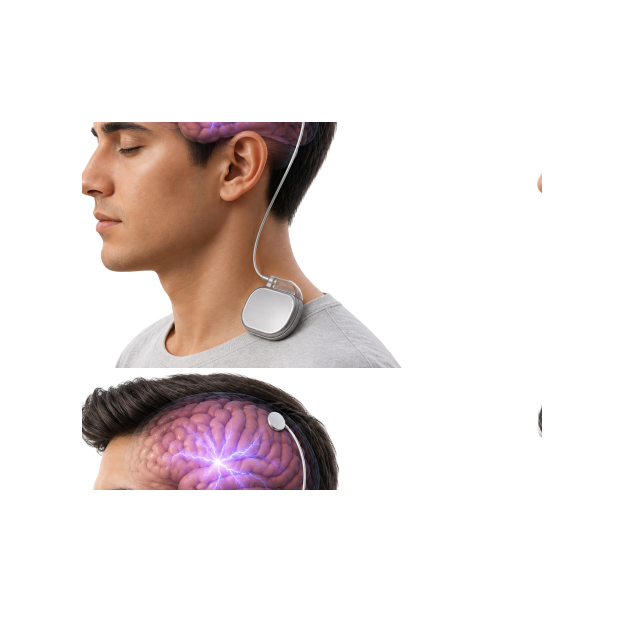
Vagus Nerve Stimulation (VNS)
A specialised device is implanted to stimulate the vagus nerve and help reduce seizure frequency in selected patients.
Responsive Neurostimulation (RNS)
An advanced treatment that monitors brain activity and delivers targeted stimulation to prevent seizure development.
Epilepsy Surgery
Surgical intervention may be recommended for patients whose seizures originate from a specific brain region and do not respond adequately to medication.
Lifestyle and Supportive Management
Includes sleep management, stress reduction, trigger avoidance, counselling, and patient education to support long-term seizure control.
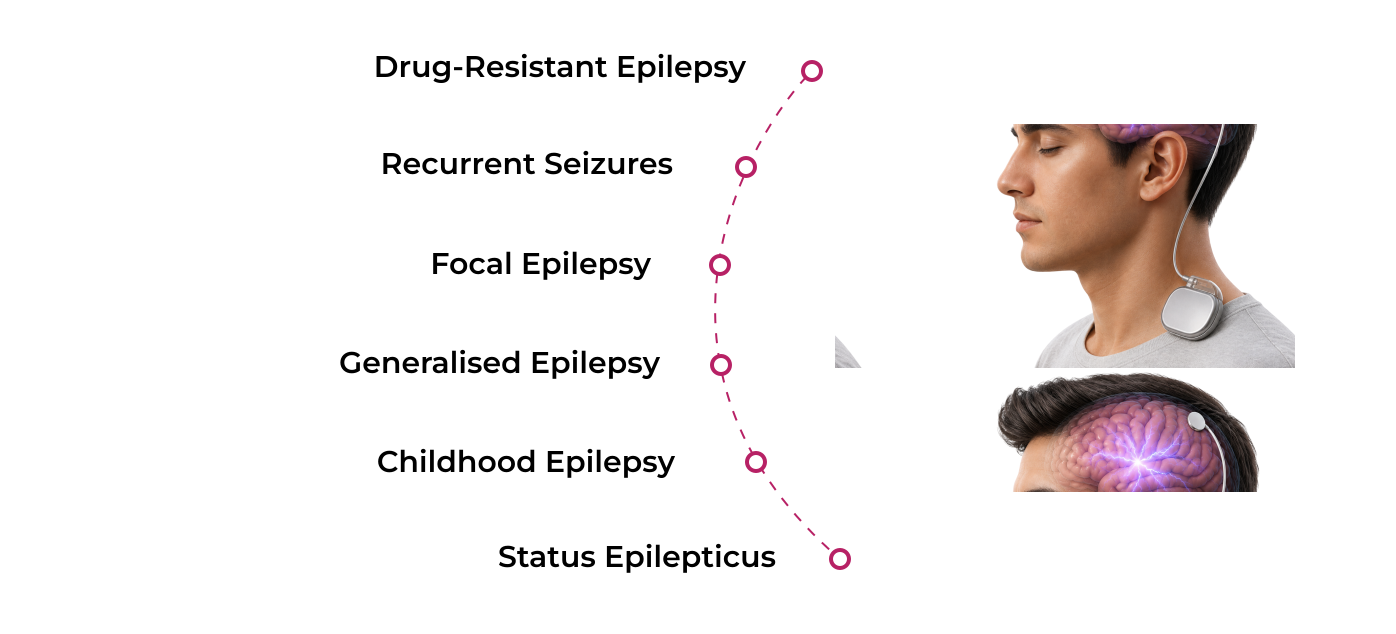
Conditions Treated Through Epilepsy Management
Epilepsy Treatment Process: What Happens During Care?
Benefits of Epilepsy Treatment
Effective epilepsy treatment can significantly improve seizure control, safety, independence, and overall quality of life.
- Reduces seizure frequency and severity
- Improves day-to-day functioning and independence
- Enhances safety and reduces injury risk
- Supports better cognitive and neurological health
- Improves educational and work performance
- Helps patients participate in daily activities with confidence
- Reduces emergency hospital visits related to seizures
- Supports long-term neurological wellbeing
- Improves overall quality of life for patients and families
Why Choose Ujala Cygnus Hospitals for Epilepsy Treatment?

Experienced Neurology Specialists
Our neurologists have extensive experience in diagnosing and treating various forms of epilepsy using evidence-based treatment protocols.

Advanced Neurological Diagnostics
We utilise modern EEG systems, neuroimaging technologies, and specialised neurological assessments for accurate diagnosis and treatment planning.

Personalised Long-Term Care
Every patient receives an individualised epilepsy management plan tailored to their seizure type, lifestyle, medical history, and treatment goals.

Comprehensive Multidisciplinary Support
Our integrated care team includes neurologists, neurosurgeons, psychologists, rehabilitation experts, and specialised nursing staff to provide complete neurological care.
Risks and Challenges Associated with Epilepsy and Its Treatment
Although epilepsy treatment is highly effective for many patients, certain challenges and treatment-related considerations may arise during long-term management.
Potential Treatment Challenges
Medication Side Effects
Some anti-epileptic medications may cause fatigue, dizziness, weight changes, mood changes, or other manageable side effects.
Breakthrough Seizures
Despite treatment, some patients may occasionally experience seizures requiring medication adjustments or additional evaluation.
Drug-Resistant Epilepsy
A small percentage of patients may continue to have seizures despite appropriate medication therapy.
Lifestyle Limitations
Patients may need to take precautions regarding driving, swimming, operating machinery, or participating in certain activities.
Emotional and Psychological Impact
Living with epilepsy can sometimes contribute to anxiety, depression, social concerns, or reduced self-confidence.
Managing Risks Effectively
Regular Neurological Follow-Up
Ongoing monitoring helps optimise treatment effectiveness and identify any concerns early.
Medication Adherence
Taking prescribed medications consistently plays a crucial role in maintaining seizure control.
Identifying Seizure Triggers
Patients are educated about recognising and avoiding potential seizure triggers such as sleep deprivation, stress, alcohol misuse, or flashing lights.
Family and Caregiver Education
Providing education to family members helps improve patient safety and seizure management.
Recovery and Long-Term Support for Epilepsy Patients
Epilepsy is often a long-term neurological condition that requires ongoing management, monitoring, and support. With appropriate treatment, many patients can lead active and fulfilling lives.
Healthy Lifestyle and Nutrition
Maintaining a balanced diet, regular sleep schedule, adequate hydration, and healthy lifestyle habits can contribute to better seizure control.
Mental Health and Emotional Wellbeing
Psychological support, counselling, and stress management strategies can help patients cope with the emotional impact of epilepsy.
Physical Activity and Daily Living
Many patients can safely participate in physical activities with appropriate medical guidance and precautions.
Long-Term Monitoring and Follow-Up Care
Regular neurological evaluations help assess treatment response, adjust medications, and ensure continued seizure management.
Patient Stories
Hip Replacement by
Dr. Indranil Halder

LNICU by
Dr. Rajeev Kumar

CKD Diabetes
CKD Diabetes

Knee Replacement by
Knee Replacement

TNBC Survivor by
Dr. Abid Lone
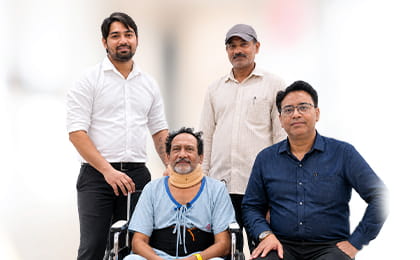
Spine Surgery by
Dr. Saurabh Kumar Sinha

Brain Surgery by
Dr. Saurabh Kumar Sinha
Hip Replacement by
Dr. Indranil Halder
NICU by
Dr. Rajeev Kumar
CKD Diabetes
CKD Diabetes
Knee Replacement by
Knee Replacement
TNBC Survivor by
Dr. Abid Lone
Spine Surgery by
Dr. Saurabh Kumar Sinha
Brain Surgery by
Dr. Saurabh Kumar Sinha
Latest Blogs








Frequently Asked Questions
What is epilepsy?
Epilepsy is a neurological disorder characterised by recurrent seizures caused by abnormal electrical activity in the brain.
Can epilepsy be cured?
While some forms of epilepsy can resolve over time, many patients successfully manage the condition through medication, lifestyle changes, and specialised treatment.
What are the common symptoms of epilepsy?
Symptoms may include seizures, temporary loss of awareness, uncontrolled movements, staring spells, confusion, or unusual sensations depending on the type of epilepsy.
How is epilepsy diagnosed?
Diagnosis typically involves neurological evaluation, EEG testing, MRI scans, CT scans, medical history assessment, and seizure monitoring.
Is epilepsy treatment lifelong?
Treatment duration varies depending on the type of epilepsy, seizure control, and individual patient response. Some patients may eventually reduce or discontinue medication under medical supervision.
When should I see a neurologist for seizures?
You should seek immediate medical evaluation if you experience a first-time seizure, recurrent seizures, unexplained loss of consciousness, or any symptoms suggestive of epilepsy.