Allergic Rhinitis: Symptoms, Triggers, Diagnosis & Treatment Options
Written By
Ujala Cygnus Team
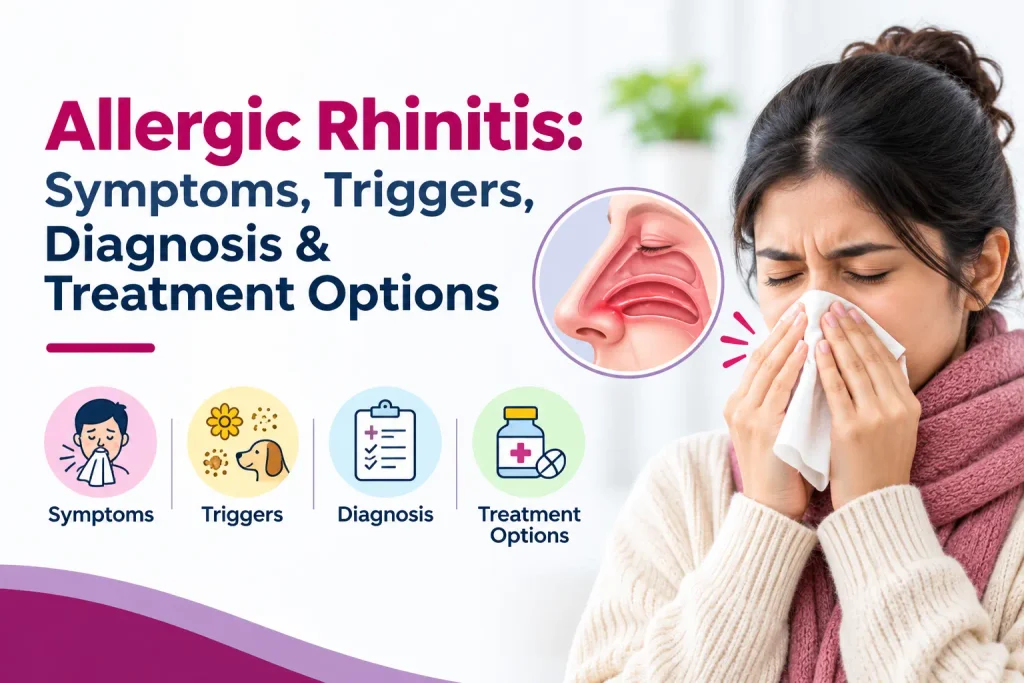
Do a blocked nose, frequent sneezing or an itchy nose keep returning, even when there is no sign of a cold? These recurring symptoms may indicate allergic rhinitis, a condition that occurs when the immune system reacts to substances that are usually harmless. If left unmanaged, allergic rhinitis can interfere with sleep, concentration and daily activities. Recognising its symptoms and triggers is important to seek timely medical evaluation and appropriate treatment. To help, In this article, we’ll explore the common symptoms and triggers of allergic rhinitis and explain when to consult a doctor.
What is Allergic Rhinitis?
Allergic rhinitis is an allergic reaction that causes inflammation inside the nose. When a person with this condition encounters an allergen, the immune system releases chemicals, including histamine, that trigger symptoms such as sneezing, itching and nasal discharge.
Allergic rhinitis generally occurs in two forms:
- Seasonal allergic rhinitis: Symptoms develop during particular times of the year when pollen levels increase.
- Perennial allergic rhinitis: Symptoms occur throughout the year because of ongoing exposure to allergens such as dust mites, mould or animal dander.
The frequency and severity of symptoms vary depending on the allergens involved and an individual’s sensitivity to them.
Common Symptoms of Allergic Rhinitis
Allergic rhinitis mainly affects the nose and upper airways. Common symptoms include:
- Repeated sneezing: Sneezing fits may occur after exposure to an allergen.
- Runny nose: The nose produces clear, watery discharge.
- Nasal congestion: Swelling inside the nose makes breathing through the nostrils difficult.
- Nasal itching: The nose may feel persistently itchy or irritated.
- Itchy, watery eyes: Some people experience redness, watering and itching around the eyes.
- Postnasal drip: Mucus may run down the back of the throat, causing irritation or frequent throat clearing.
- Reduced sense of smell: Nasal inflammation and congestion can affect the ability to smell.
These symptoms can interfere with sleep, concentration and daily activities, and may cause fatigue.
Common Triggers of Allergic Rhinitis
Allergic rhinitis develops when the immune system reacts to an allergen. Identifying the substances that trigger symptoms can help patients reduce exposure and manage the condition.
Common triggers include:
- Pollen: Trees, grasses and weeds release pollen that can cause symptoms during particular seasons.
- Dust mites: These microscopic organisms live in household dust and are commonly found in bedding, mattresses, carpets and upholstered furniture.
- Mould spores: Mould growing in damp areas can release spores into the air.
- Animal dander: Proteins found in skin flakes, saliva and urine from animals can trigger allergic reactions.
- Workplace allergens: Certain occupational environments, such as bakeries, carpentry workshops and veterinary clinics, can expose individuals to allergens such as flour dust, wood dust and animal proteins that may worsen nasal symptoms.
Smoke, air pollution and strong fragrances can also worsen nasal symptoms. However, they usually act as irritants rather than allergens, meaning they can trigger symptoms without causing an allergic reaction.
Allergic Rhinitis Diagnosis
As allergic rhinitis can cause symptoms similar to those of a common cold or other nasal conditions, a proper assessment helps identify the likely cause. The diagnostic process typically includes:
Medical History and Symptom Assessment
The doctor asks about the type, frequency and duration of symptoms, including whether they occur seasonally or after exposure to household or workplace allergens. The doctor also reviews any sleep disturbances and history of asthma or other allergies to guide the assessment.
Physical Examination
The doctor examines the nose for signs of inflammation, swelling and discharge. This examination can also help identify other conditions that may be causing the symptoms.
Allergy Testing
A doctor may recommend one of the following tests when necessary:
- Skin-prick test: Small amounts of suspected allergens are introduced into the skin to check for an allergic reaction.
- Specific IgE blood test: A blood sample is tested for antibodies associated with particular allergens.
A positive test alone does not establish that an allergen causes the symptoms. The doctor interprets the results alongside the patient’s history and clinical findings.
Further Assessment
Persistent nasal blockage, unusual symptoms or poor response to treatment may require additional evaluation. The doctor may refer the patient to an ENT specialist or another relevant specialist if the diagnosis remains uncertain or further care is needed.
Allergic Rhinitis Treatment
Treatment for allergic rhinitis focuses on relieving symptoms and reducing exposure to triggers. The doctor recommends suitable treatment based on symptom severity, identified allergens, medical history and response to previous treatments.
Allergen Avoidance and Environmental Measures
Reducing exposure to identified allergens may help control symptoms. Practical measures include:
- Keeping windows closed when pollen levels are high.
- Washing bedding regularly and reducing dust accumulation in sleeping areas.
- Keeping indoor spaces dry and addressing sources of dampness or mould.
- Limiting exposure to animals if they trigger symptoms.
- Avoiding smoke and other irritants that worsen nasal discomfort.
These measures can support treatment, although complete avoidance of some allergens may not be possible.
Medicines for Symptom Relief
A doctor may recommend some medicines depending on the symptoms and their severity, including:
- Antihistamines: These medicines help relieve sneezing, itching and a runny nose. Some types can cause drowsiness.
- Intranasal corticosteroids: These nasal sprays reduce inflammation and can help control congestion, sneezing and nasal discharge. Regular use as directed may be necessary for the best effect.
- Saline nasal rinses or sprays: These help clear mucus and irritants from the nasal passages. Rinsing solutions should be prepared with sterile, distilled or previously boiled and cooled water.
- Decongestants: These medicines may provide short-term relief from nasal blockage. Nasal decongestant sprays can worsen congestion when used for longer than recommended, so patients should follow medical advice.
Patients should consult a doctor or pharmacist to choose a suitable allergy medicine, especially when treating children or managing other medical conditions.
Allergen Immunotherapy
A specialist may recommend allergen immunotherapy for patients with confirmed allergies whose symptoms remain troublesome despite appropriate treatment. This treatment helps the immune system become less sensitive to a specific allergen over time. It involves regular injections or, for certain allergens, tablets placed under the tongue.
Allergen immunotherapy requires specialist assessment and supervision. It is not suitable for everyone.
When Should You Consult a Doctor for Allergic Rhinitis?
A doctor consultation is essential to determine whether nasal symptoms result from allergic rhinitis or another condition and recommend suitable treatment.
Patients should seek medical advice if they experience:
- Persistent or recurring sneezing, a runny nose or nasal congestion.
- Symptoms that disrupt sleep or interfere with daily activities.
- Symptoms that do not improve with allergen avoidance or recommended treatment.
- Persistent nasal blockage or symptoms that differ from the usual pattern of allergic rhinitis.
Wheezing or recurring breathing difficulties also warrant medical assessment, as allergic rhinitis can coexist with asthma. Severe breathing difficulty or swelling of the tongue or throat requires emergency medical care.
General Medicine Care at Ujala Cygnus
Persistent sneezing, nasal congestion and other allergy-related symptoms can have different causes, and identifying the underlying cause is important for effective treatment. At Ujala Cygnus, our General Medicine and Internal Medicine doctors assess patients’ symptoms, review their medical history and recommend appropriate investigations for accurate diagnosis. Depending on the findings, treatment may include medication and measures to reduce exposure to allergens or allergen immunotherapy for selected cases. When required, our general physicians may refer patients to an ENT specialist for further evaluation.
For consultation, call 9146691466 or book an appointment online.

Dr. Mamta Bisht
HOD
ENT (Ear, Nose & Throat)
MBBS, DLO, PG Diploma (ENT)
Ujala Cygnus Sonia Hospital, Nangloi, Delhi
+91-91466 91466
If you want to get a free consultation without any obligations, fill in the form below and we'll get in touch with you.
Request a Call Back
Our healthcare expert will contact you shortly to understand your requirements and assist you with the right care.
100% Confidential
Your information is safe and secure with us.
Quick Response
Our team will connect with you at the earliest.
Expert Guidance
Speak with our experienced healthcare professionals.
Request a Call Back
You Will Get a call within 1 hour
Your information is
safe & confidential.