Asthma During Weather Changes: Common Triggers, Symptoms & How to Prevent Flare-Ups
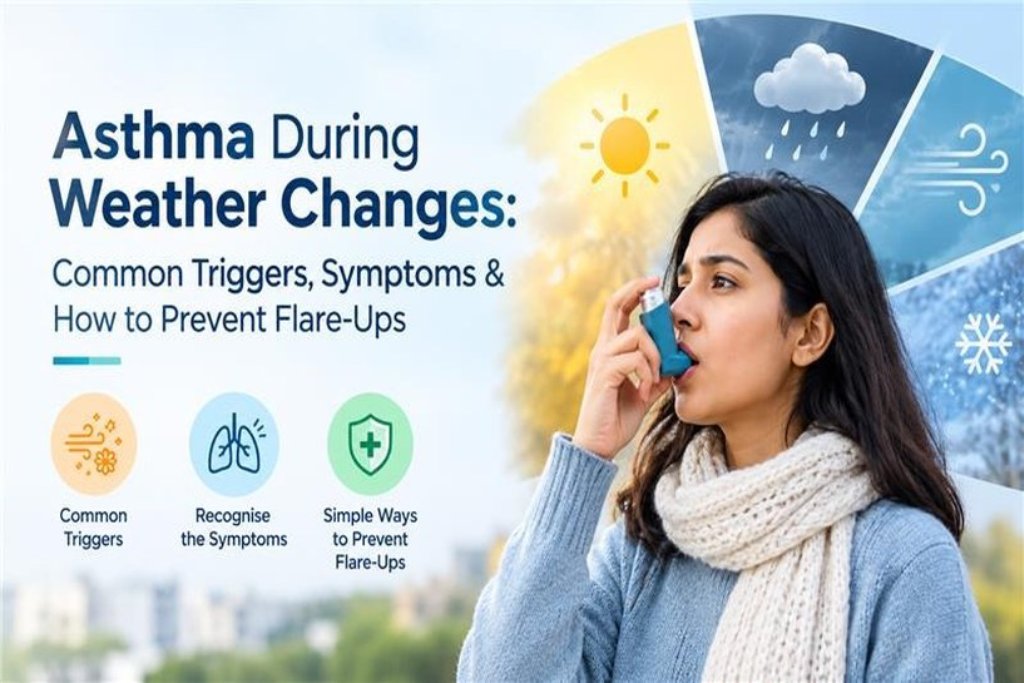
For people with asthma, changing weather conditions can bring recurring episodes of coughing, wheezing and difficulty breathing. Cold temperatures, humid air, thunderstorms and seasonal allergens may worsen airway inflammation or expose individuals to asthma triggers. Identifying the factors that affect symptoms, understanding when medical attention is needed and taking preventive steps can help reduce the risk of flare-ups. In this article, we’ll explore common triggers, symptoms and ways to prevent asthma flare-ups.
Why Does Weather Change Trigger Asthma?
In people with asthma, the airways are chronically inflamed and sensitive to certain triggers. Changes in temperature, humidity and exposure to airborne allergens or pollutants can trigger airway narrowing, making breathing difficult.
Weather-related triggers vary between individuals. Some experience worsening symptoms in cold weather, while others are affected by humid conditions, increased pollen levels or poor air quality. Identifying individual triggers helps guide preventive measures and asthma management.
Common Weather-Related Asthma Triggers
1. Cold and Dry Air
Cold, dry air can irritate sensitive airways and cause them to narrow, triggering coughing, wheezing, chest tightness or breathlessness. Sudden changes in temperature may also trigger symptoms.
People who experience cold-induced symptoms should protect their airways when going outdoors and follow their prescribed asthma treatment plan.
2. Hot and Humid Weather
Hot weather can make breathing more difficult for some people with asthma, particularly when it coincides with high pollution levels or exposure to allergens. Humid indoor environments can also encourage mould and dust mites, which may trigger symptoms in susceptible individuals.
Monitoring symptoms during hot and humid periods helps identify whether these conditions affect asthma control.
3. Seasonal Pollen and Outdoor Allergens
Pollen from grasses, trees and weeds can trigger asthma symptoms in people with pollen allergies. Symptoms may worsen during particular seasons when pollen levels rise.
Pollen exposure can cause coughing, wheezing and breathlessness, sometimes alongside sneezing, nasal congestion and itchy eyes. People with both asthma and allergic rhinitis may need a treatment plan that addresses both conditions.
4. Thunderstorms and Sudden Weather Changes
Thunderstorms can increase exposure to airborne pollen and fungal particles under certain conditions. Moisture and strong winds can break pollen grains into smaller particles that enter the lower airways, potentially triggering severe symptoms in susceptible individuals. This phenomenon is known as thunderstorm asthma.
People with asthma, particularly those who also have hay fever or poorly controlled symptoms, should take weather warnings seriously when thunderstorms coincide with high pollen levels.
5. Air Pollution, Dust and Smoke
Weather conditions can influence the concentration and spread of airborne pollutants. Dust, smoke, vehicle emissions and industrial pollution can irritate the airways and worsen asthma symptoms.
Dust storms and smoky conditions may increase exposure to respiratory irritants. People who notice worsening symptoms during periods of poor air quality should limit exposure and follow their asthma management plan.
Symptoms of a Weather-Triggered Asthma Flare-Up
Weather-triggered asthma can cause the same symptoms as other asthma flare-ups. The main symptoms include:
- Wheezing: A whistling sound during breathing, particularly when breathing out.
- Shortness of breath: Difficulty breathing during routine activities or at rest.
- Chest tightness: A feeling of pressure or tightness in the chest.
- Persistent coughing: Coughing that becomes worse at night, early in the morning or after exposure to a trigger.
- Sleep disturbance: Night-time coughing or breathlessness that interrupts sleep.
Symptoms may vary in severity and can occur together. Increasing symptoms or a growing need for reliever medication may indicate that asthma is not well controlled and requires medical review.
When to seek emergency care: Severe breathlessness, difficulty speaking in full sentences, blue or grey lips, or symptoms that worsen rapidly require immediate medical attention. Follow the prescribed asthma action plan and seek emergency help if symptoms are severe or do not improve with the prescribed reliever treatment.
How to Prevent Asthma Flare-Ups During Weather Changes
Weather cannot be controlled, but individuals can reduce exposure to known triggers and improve asthma control through consistent management.
1. Identify and Track Personal Triggers
Keep a record of asthma symptoms alongside weather conditions, outdoor activities and possible allergen exposure. This can help identify patterns, such as coughing after going outside in cold air or wheezing during pollen season.
Share these observations with a pulmonologist to help guide treatment decisions.
2. Follow the Prescribed Asthma Treatment Plan
Use asthma medication as prescribed, including regular controller medication where indicated. Controller inhalers help reduce airway inflammation and lower the risk of flare-ups over time.
Keep the prescribed reliever inhaler accessible and understand when and how to use it. Do not stop controller medication or change the dose without medical advice. A written asthma action plan can clarify how to respond when symptoms worsen.
3. Check Weather and Air Quality Updates
Monitor local weather forecasts, air quality alerts and pollen information where available. On days with high pollution, dust or elevated pollen levels, limit outdoor exposure if these conditions trigger symptoms.
During thunderstorms, people who are sensitive to pollen should consider staying indoors with windows closed before, during and immediately after the storm.
4. Protect the Airways in Cold Weather
Cover the nose and mouth loosely with a scarf when going outdoors in cold conditions. Breathing through the nose can help warm and humidify the air before it reaches the lower airways.
People whose asthma worsens during exercise in cold weather should discuss appropriate precautions with their doctor rather than avoiding physical activity altogether.
5. Reduce Indoor Allergens and Irritants
Keep indoor spaces free from tobacco smoke and reduce exposure to dust, mould and other identified triggers. Address dampness and water leaks promptly, and clean affected areas safely.
Avoid excessive use of strong fragrances, sprays and cleaning products if they trigger symptoms. Focus on the specific irritants that affect the individual rather than making unnecessary changes to the home environment.
When Should You See a Pulmonologist for Asthma?
Consult a pulmonologist if asthma symptoms recur during weather changes, interfere with daily activities or become difficult to control.
A specialist assessment is particularly important when:
- Coughing, wheezing or breathlessness occurs repeatedly during particular seasons.
- Night-time symptoms interrupt sleep.
- The prescribed reliever inhaler is needed more often than usual.
- Symptoms interfere with exercise, work or routine activities.
- Existing medication does not provide adequate symptom control.
- The diagnosis is uncertain or symptoms persist despite treatment.
Do not wait for a routine appointment during a severe asthma attack. Seek emergency medical care if breathing becomes severely difficult.
How is Weather-Triggered Asthma Assessed and Managed?
Weather-triggered asthma is assessed by reviewing symptoms, weather-related patterns, medical history and current medication. A pulmonologist may recommend lung function tests to assess breathing and determine the appropriate treatment. Management may include:
Medical History and Symptom Assessment
The doctor asks when symptoms occur, how long they last and whether they follow exposure to cold air, pollen, pollution or other triggers. The assessment also covers night-time symptoms, exercise tolerance, previous flare-ups and inhaler use.
Lung Function Testing
The doctor may recommend spirometry or other pulmonary function tests to assess airflow and support the diagnosis. These tests can also help monitor asthma control and response to treatment. The choice of investigation depends on the clinical assessment.
Asthma Treatment
Treatment for asthma depends on symptom severity, frequency, previous flare-ups and the individual’s response to medication. The pulmonologist may:
- Review controller medication and adjust treatment when needed.
- Check inhaler technique to ensure the medicine reaches the airways effectively.
- Assess whether allergies contribute to symptoms and recommend further evaluation when appropriate.
- Develop an asthma action plan for worsening symptoms.
- Recommend follow-up visits to review symptom control and treatment response.
The aim is to control symptoms, reduce the risk of severe flare-ups and help individuals maintain their usual activities throughout the year.
Pulmonology Care at Ujala Cygnus Hospitals
Weather-related asthma flare-ups indicate a need to review the existing treatment plan. At Ujala Cygnus Hospitals, our pulmonologists provide asthma and allergy care, including pulmonary function testing to assess lung function and guide diagnosis and treatment planning. Based on the assessment, they can review prescribed medication, identify relevant triggers and recommend ways to manage symptoms when weather conditions change. Individuals experiencing recurring coughing, wheezing or breathlessness can consult our pulmonologists for an assessment and guidance on long-term asthma management. To book a consultation, call 9146691466 or book an appointment online.
FAQs
Can sudden weather changes trigger an asthma attack?
Yes. Sudden changes in temperature, cold air, thunderstorms and shifts in allergen or pollution exposure can trigger asthma symptoms in susceptible individuals. The effect varies depending on personal triggers and how well asthma is controlled.
Which season is most difficult for people with asthma?
There is no single season that affects everyone with asthma. Winter may worsen symptoms in people sensitive to cold air, while spring or other pollen seasons can affect those with allergic asthma. Local pollution, humidity and respiratory infections can also influence symptoms.
Can people with asthma exercise during weather changes?
Yes. Most people with well-controlled asthma can remain physically active. They should follow their prescribed treatment plan, warm up before exercise and take precautions against known triggers. A pulmonologist can advise on managing exercise-related symptoms.
Should asthma medication be stopped when symptoms improve?
No. Some asthma medicines prevent airway inflammation and reduce the risk of future flare-ups, even when symptoms are absent. Individuals should continue treatment as prescribed and discuss any changes with their doctor.
When should someone with weather-triggered asthma consult a pulmonologist?
Individuals should consult a pulmonologist if asthma symptoms recur with weather changes, reliever inhalers are needed more often, coughing disrupts sleep, physical activity becomes difficult or symptoms persist despite prescribed treatment. Severe breathing difficulty requires immediate emergency care.At Ujala Cygnus Hospitals, our pulmonologists provide comprehensive, coordinated care to help patients manage asthma symptoms and reduce the risk of flare-ups. Call 9146691466 or book an appointment online.

+91-91466 91466
If you want to get a free consultation without any obligations, fill in the form below and we'll get in touch with you.
Request a Call Back
Our healthcare expert will contact you shortly to understand your requirements and assist you with the right care.
100% Confidential
Your information is safe and secure with us.
Quick Response
Our team will connect with you at the earliest.
Expert Guidance
Speak with our experienced healthcare professionals.
Request a Call Back
You Will Get a call within 1 hour
?? Your information is
safe & confidential.