
Heart Health Matters: Simple Ways to Protect Your Heart and Recognise Warning Signs

Your heart works continuously—pumping blood, delivering oxygen and nutrients to every part of the body, and supporting everything from physical activity to everyday functioning. Yet heart health is often overlooked until symptoms appear.
The good news is that many heart-related risks can be reduced through healthy lifestyle choices, regular health checks and timely medical attention.
Why Heart Health Deserves Your Attention
Heart disease does not always begin with dramatic symptoms. High blood pressure, diabetes, high cholesterol, obesity, smoking, physical inactivity and an unhealthy diet can gradually affect the heart and blood vessels.
Some people may also have a family history or other risk factors that require closer monitoring.
Understanding your risk factors can help you take action before a serious problem develops.
Know the Warning Signs
Heart problems can present differently from person to person. Some common warning signs include:
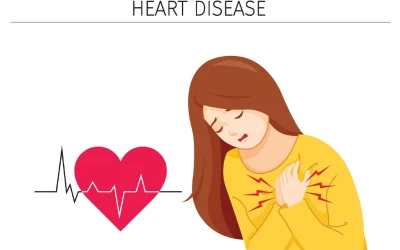
Chest pain, pressure or discomfort
Breathlessness, particularly during activity
Unusual tiredness or weakness
Palpitations or an irregular heartbeat
Dizziness or light-headedness
Excessive sweating
Pain or discomfort that may spread to the arm, shoulder, back, neck or jaw Sudden chest discomfort, severe breathlessness, fainting or other symptoms that may indicate a heart attack require immediate medical attention.
Do not ignore persistent or recurring symptoms simply because they appear mild.
Can Heart Disease Be Prevented?
Not every heart condition can be prevented, but several important risk factors can be managed.
Keep Your Blood Pressure in Check
High blood pressure often has no obvious symptoms, which is why it is sometimes called a “silent” risk factor. Regular monitoring can help identify elevated blood pressure early.
Pay Attention to Cholesterol
High levels of certain types of cholesterol can contribute to plaque formation in the arteries. A lipid profile and medical evaluation can help you understand your cholesterol levels and overall cardiovascular risk.
Manage Diabetes
High blood sugar over time can affect blood vessels and increase cardiovascular risk. If you have diabetes, keeping your blood sugar within the range advised by your doctor is an important part of protecting your heart.
Stay Physically Active
Regular physical activity can support heart health, weight management and overall fitness. Choose activities that suit your age and health condition and gradually build consistency.
Eat for Your Heart
A heart-friendly eating pattern can include more vegetables, fruits, whole grains, pulses and other nutritious foods while limiting excessive salt, added sugar, saturated fats and highly processed foods.
Avoid Tobacco
Smoking and tobacco use can damage blood vessels and significantly increase cardiovascular risk. Quitting tobacco is one of the important steps you can take for your heart and overall health.
Manage Stress and Sleep Well
Long-term stress and inadequate sleep can affect overall health and may make it harder to maintain healthy habits. Adequate sleep, relaxation, physical activity and meaningful social connections can support overall well-being.
When Should You Get Your Heart Checked?
A heart check-up may be particularly important if you have risk factors such as:
High blood pressure
Diabetes
High cholesterol
Obesity or overweight
Smoking or tobacco use
Family history of heart disease
Previous heart disease or stroke
Recurrent chest discomfort, breathlessness or palpitations
Your doctor can recommend appropriate tests based on your age, symptoms, medical history and risk factors. Depending on the situation, evaluation may include blood tests, an ECG, echocardiography, Holter monitoring or other cardiac investigations.
Don’t Wait for a Serious Symptom
Heart health is not only about treating disease, it is also about recognising risk early and making sustainable changes.
A healthier diet, regular physical activity, tobacco avoidance, control of blood pressure, cholesterol and diabetes, and timely medical evaluation can all play an important role in cardiovascular health.
Listen to your heart. Know your risk factors. And don’t ignore warning signs.
Consult a Cardiologist
If you experience recurring chest discomfort, breathlessness, palpitations, dizziness or other concerning symptoms, speak with a qualified healthcare professional for an appropriate evaluation.
Ujala Cygnus Hospitals provides cardiac care across its hospital network, with cardiology and cardiac surgery services available at selected centres.
If you want to know how to protect your heart or if you have questions related to cardiac health, consult a cardiologist at your nearest Ujala Cygnus Hospitals or email askadoctor@ujalacygnus.com to connect with our specialists. To book an appointment click here.
FAQs
Why is it important to check your blood pressure regularly?
High blood pressure often has no noticeable symptoms, but over time it can increase the risk of heart disease, heart attack and stroke. Regular blood pressure checks can help identify the problem early and allow timely management through lifestyle changes and, when needed, medication.
Does high cholesterol increase the risk of heart disease?
Yes. High levels of LDL cholesterol can contribute to the buildup of plaque in the arteries and increase the risk of heart disease and stroke. A heart-healthy diet, regular physical activity, maintaining a healthy weight and appropriate medical treatment can help manage cholesterol levels.
How much physical activity is good for heart health?
For most adults, aiming for at least 150 minutes of moderate-intensity physical activity each week can support heart health. Activities such as brisk walking, cycling, swimming or other exercises you enjoy can help. If you are currently inactive or have a health condition, speak with a healthcare professional about the right level of activity for you.
Can stress and poor sleep affect heart health?
Yes. Long-term stress and inadequate or poor-quality sleep can negatively affect cardiovascular health and may contribute to unhealthy habits and risk factors such as high blood pressure and weight gain. Managing stress and maintaining a regular, restful sleep routine are important parts of a heart-healthy lifestyle.
If heart disease runs in my family, what should I do?
A family history of heart disease can increase your risk, but it does not mean that you will necessarily develop heart disease. Discuss your family history and personal risk factors with a healthcare professional. Regular monitoring of blood pressure, cholesterol, blood sugar and other relevant health indicators, along with healthy lifestyle choices, can help reduce and manage your risk.




+91-91466 91466
If you want to get a free consultation without any obligations, fill in the form below and we'll get in touch with you.
Request a Call Back
Our healthcare expert will contact you shortly to understand your requirements and assist you with the right care.
100% Confidential
Your information is safe and secure with us.
Quick Response
Our team will connect with you at the earliest.
Expert Guidance
Speak with our experienced healthcare professionals.
Request a Call Back
You Will Get a call within 1 hour
?? Your information is
safe & confidential.