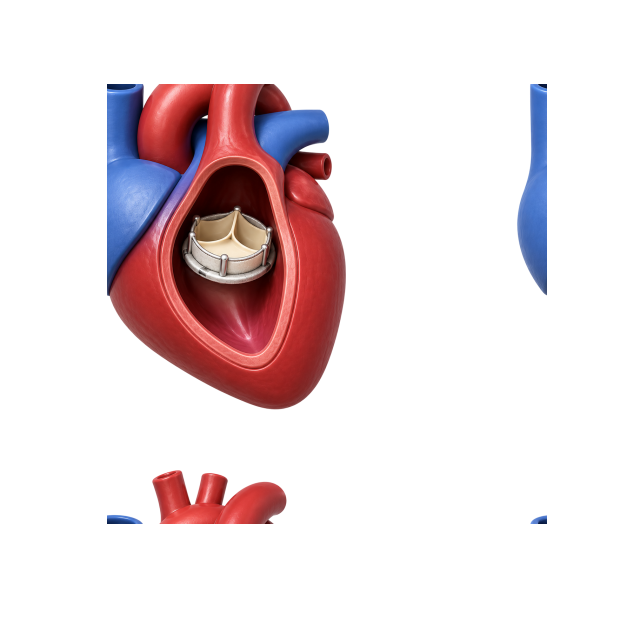
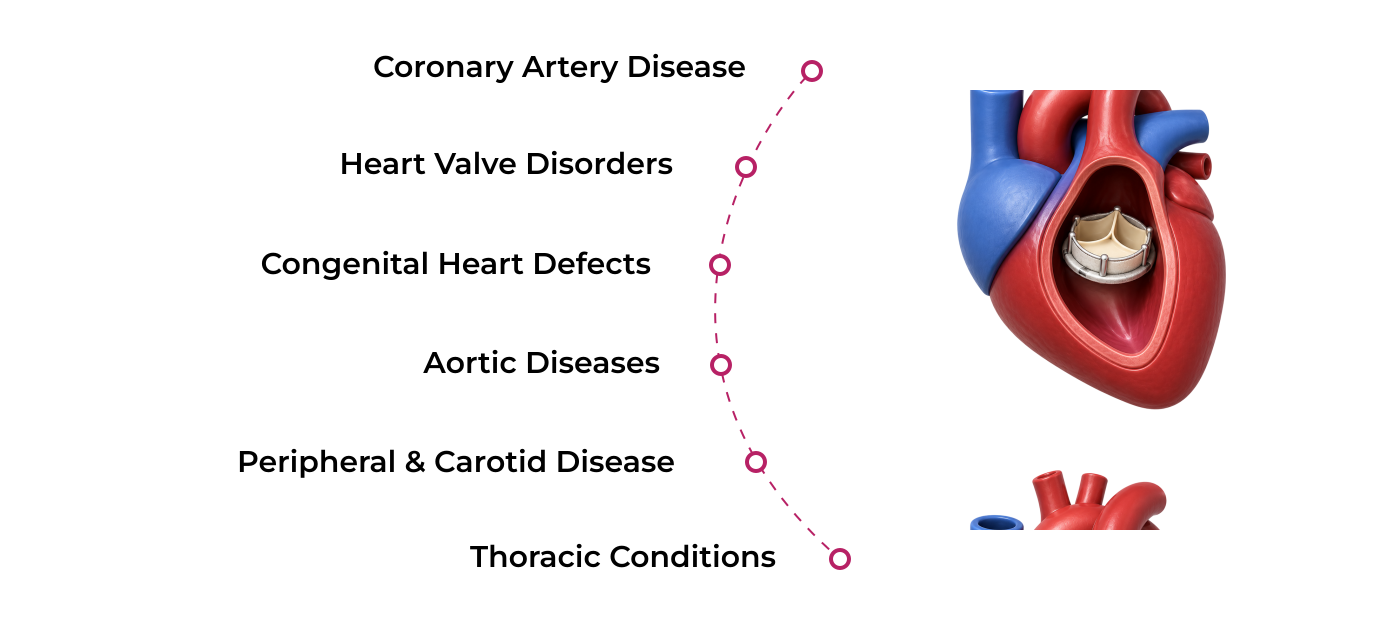
The heart, lungs and blood vessels work together to support some of the body’s most essential functions. While many conditions affecting these organs can be managed with medicines and/or non-surgical interventions, others may require specialised surgical care. Cardiothoracic and Vascular Surgery (CTVS) plays a vital role in treating these complex conditions, helping restore function and improve patients’ quality of life.
As one of North India’s largest NABH-accredited hospital chains, Ujala Cygnus Hospitals has comprehensive CTVS capabilities covering all sorts of cardiac, thoracic, and vascular conditions. Our hospitals are equipped with advanced diagnostic facilities, modern operation theatres, and dedicated critical care services, ensuring every patient receives the best possible treatment and care. By combining surgical excellence with a multidisciplinary approach, our CTVS teams deliver safe, evidence-based care while supporting patients at every stage of their treatment journey.
What is CTVS?
CTVS stands for Cardiothoracic and Vascular Surgery. It is a specialised surgical branch that manages conditions affecting the heart, lungs, chest, and major blood vessels. The specialty includes procedures that restore blood flow, repair or replace damaged heart valves, treat diseases of the aorta and blood vessels, and manage selected conditions affecting the lungs and chest.
A CTVS surgeon may perform open, minimally invasive, or emergency procedures depending on the patient’s condition. They work closely with cardiologists, cardiac anaesthesiologists, intensivists, radiologists, and rehabilitation teams to determine whether surgery is required or whether non-surgical treatment may be more suitable.
When is CTVS Recommended?
Cardiothoracic and Vascular Surgery may be recommended when medicines, lifestyle changes, or catheter-based procedures are not enough, or when surgery offers the most appropriate long-term treatment option.
A consultation with a CTVS surgeon may be advised when:
- Symptoms persist or worsen despite medical treatment
- A heart, chest, or vascular condition requires surgical repair
- A cardiologist or physician recommends surgery
- Diagnostic tests show a risk of serious complications if treatment is delayed
- An emergency cardiac or vascular condition requires urgent intervention
At Ujala Cygnus Hospitals, CTVS specialists evaluate each patient carefully before recommending surgery and explain the available treatment options based on the diagnosis, overall health, and treatment goals.
Surgical Approaches Used in CTVS
The choice of surgical approach depends on the patient’s condition, disease severity, overall health, and the type of procedure required. At Ujala Cygnus Hospitals, CTVS specialists recommend the most suitable approach after a detailed clinical evaluation.
Open Surgery
Open surgery may be required for complex cardiac, thoracic, or vascular procedures, including Coronary Artery Bypass Grafting (CABG), valve repair or replacement, congenital heart defect repair, aortic surgery, and selected vascular procedures.
Minimally Invasive Surgery
For selected patients, minimally invasive surgery may be performed through smaller incisions. Depending on the procedure, this approach may help reduce surgical trauma, minimise blood loss, shorten hospital stay, and support faster recovery. Suitability is decided after a detailed evaluation.
Benefits and Risks of CTVS Procedures
CTVS procedures can help improve symptoms, restore blood flow, repair damaged structures, and reduce the risk of serious complications in appropriately selected patients. However, as with any major surgery, the risks vary depending on the procedure, age, overall health, and existing medical conditions.
Benefits
CTVS procedures may help:
- Improve blood flow to the heart or other parts of the body
- Restore normal heart valve function
- Relieve chest pain, breathlessness, or reduced exercise tolerance
- Repair damaged or diseased blood vessels
- Correct certain congenital heart defects
- Improve heart function and quality of life
Possible Risks
Potential risks may include:
- Bleeding
- Infection
- Blood clots
- Irregular heart rhythms
- Stroke or heart attack
- Breathing or lung-related complications
- Reaction to anaesthesia
- Need for additional procedures in some cases
The CTVS team discusses the expected benefits, possible risks, and available alternatives with each patient before planning surgery.
Recovery and Patient Support
Recovering from CTVS surgery requires close monitoring, rehabilitation, and continued medical guidance. At Ujala Cygnus Hospitals, patients receive coordinated post-surgical support from critical care teams, nursing staff, rehabilitation specialists, and follow-up services.
ICU and Critical Care
Dedicated intensive care support helps monitor patients closely after complex cardiac, thoracic, or vascular surgery.
Post-Surgery Monitoring
Doctors and nurses track recovery, wound healing, heart function, breathing, and overall stability after surgery.
Pain Management
Structured pain-relief plans help patients remain comfortable and participate safely in early movement and recovery.
Respiratory Support
Breathing exercises, chest care, and physiotherapy support lung function, especially after cardiac or thoracic procedures.
Rehabilitation Guidance
Physiotherapy and mobility support help patients regain strength, improve movement, and return to daily activities gradually.
Follow-Up Care
Regular follow-up visits help monitor healing, adjust medicines, review test results, and support long-term recovery.
Cardiothoracic and Vascular Conditions Treated
The CTVS team at Ujala Cygnus Hospitals manages conditions affecting the heart, lungs, chest, and major blood vessels. After detailed evaluation, specialists recommend an individualised treatment plan based on the diagnosis, disease severity, overall health, and treatment needs.
Coronary Artery Disease
Narrowing or blockage of coronary arteries that reduces blood supply to the heart muscle and may require bypass surgery.
Heart Valve Disorders
Narrowed or leaky heart valves that affect normal blood flow and may require valve repair or replacement.
Congenital Heart Defects
Structural heart abnormalities present from birth that may need specialised surgical correction depending on severity and symptoms.
Aortic Diseases
Serious conditions affecting the aorta, including aneurysms and dissections, that may require timely surgical treatment.
Peripheral & Carotid Disease
Blocked or narrowed arteries in the limbs or neck that can affect circulation and increase the risk of complications.

Thoracic Conditions
Selected conditions affecting the lungs, chest wall, mediastinum, or other chest structures that may require surgical evaluation.
Diagnostics Available at Ujala Cygnus Hospitals
Accurate diagnosis is the first step in planning effective CTVS treatment. At Ujala Cygnus Hospitals, specialists use cardiac, vascular, and chest-related diagnostic tests to assess the condition, understand its severity, and create an individualised treatment plan.
Why Choose Ujala Cygnus Hospitals for CTVS Care?
Choosing the right hospital for CTVS care is important because heart, chest, and vascular conditions often need specialised surgical expertise, advanced infrastructure, and coordinated critical care. At Ujala Cygnus Hospitals, experienced CTVS specialists, modern operation theatres, ICU support, and multidisciplinary teams work together to provide comprehensive care from diagnosis to recovery.

Experienced CTVS Surgeons
Our CTVS specialists manage a wide range of cardiac, thoracic, and vascular conditions, working closely with cardiologists, anaesthesiologists, intensivists, and rehabilitation teams to plan personalised surgical care.

Advanced Cardiac Surgery Infrastructure
Ujala Cygnus Hospitals are equipped with modern operation theatres, cardiac diagnostic facilities, intensive care units, and critical care support to manage patients before, during, and after complex CTVS procedures.

24×7 Emergency Cardiac and Vascular Care
Round-the-clock emergency teams support urgent cardiac and vascular conditions that require timely evaluation, critical care, and surgical intervention.

Ayushman Bharat and Cashless Insurance Support
Ujala Cygnus supports eligible patients through Ayushman Bharat (PM-JAY), CGHS, ESIC, and major insurance providers, helping make advanced CTVS care more accessible and financially manageable.
Our Medical Experts
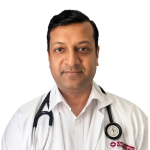

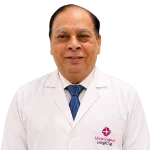
Advanced CTVS Procedures
CTVS procedures help treat complex heart, chest, and vascular conditions when surgery offers the most appropriate treatment option. At Ujala Cygnus Hospitals, specialists plan each procedure after detailed evaluation, with support from operation theatres, ICU teams, and multidisciplinary care.

Patient Stories
Hip Replacement by
Dr. Indranil Halder

LNICU by
Dr. Rajeev Kumar
CKD Diabetes
CKD Diabetes
Knee Replacement by
Knee Replacement
TNBC Survivor by
Dr. Abid Lone
Spine Surgery by
Dr. Saurabh Kumar Sinha
Brain Surgery by
Dr. Saurabh Kumar Sinha
Hip Replacement by
Dr. Indranil Halder
NICU by
Dr. Rajeev Kumar
CKD Diabetes
CKD Diabetes
Knee Replacement by
Knee Replacement
TNBC Survivor by
Dr. Abid Lone
Spine Surgery by
Dr. Saurabh Kumar Sinha
Brain Surgery by
Dr. Saurabh Kumar Sinha
Latest Blogs





Frequently Asked Questions
What is CTVS?
CTVS stands for Cardiothoracic and Vascular Surgery. It is a specialised surgical branch that treats conditions affecting the heart, lungs, chest, and major blood vessels.
What conditions are treated by the CTVS department?
The CTVS department treats conditions such as coronary artery disease, heart valve disorders, congenital heart defects, aortic aneurysms, aortic dissections, peripheral artery disease, carotid artery disease, and selected lung or chest conditions.
When should I consult a CTVS surgeon?
A CTVS consultation may be recommended if a heart, chest, or vascular condition requires surgical evaluation, if medicines or catheter-based treatments are not enough, or if a cardiologist advises surgery.
What is the difference between cardiac, thoracic, and vascular surgery?
Cardiac surgery treats heart conditions. Thoracic surgery treats selected conditions affecting the lungs and chest. Vascular surgery treats diseases of arteries and veins, including aortic and peripheral vascular conditions.
How can I book an appointment with a CTVS specialist at Ujala Cygnus?
You can book an appointment with a CTVS specialist at Ujala Cygnus Hospitals by calling 9146691466 or scheduling a consultation through the hospital’s online appointment portal.
What types of procedures are performed in CTVS?
CTVS procedures may include CABG surgery, heart valve repair or replacement, congenital heart defect repair, aortic surgery, vascular bypass surgery, carotid artery surgery, and selected thoracic surgeries.
What is CABG surgery?
CABG, or Coronary Artery Bypass Grafting, is a procedure that creates a new route for blood to flow around blocked coronary arteries, improving blood supply to the heart muscle.
What is the cost of CTVS surgery?
The cost of CTVS surgery depends on the type of procedure, disease complexity, patient’s overall health, hospital stay, ICU care, and recovery needs. Patients can contact Ujala Cygnus Hospitals for an estimate based on their treatment plan.
Where can I find CTVS surgery near me?
When looking for CTVS surgery near you, consider the surgeon’s experience, hospital infrastructure, diagnostic support, ICU care, and rehabilitation services. Ujala Cygnus Hospitals offers specialised CTVS care across multiple locations in North India.