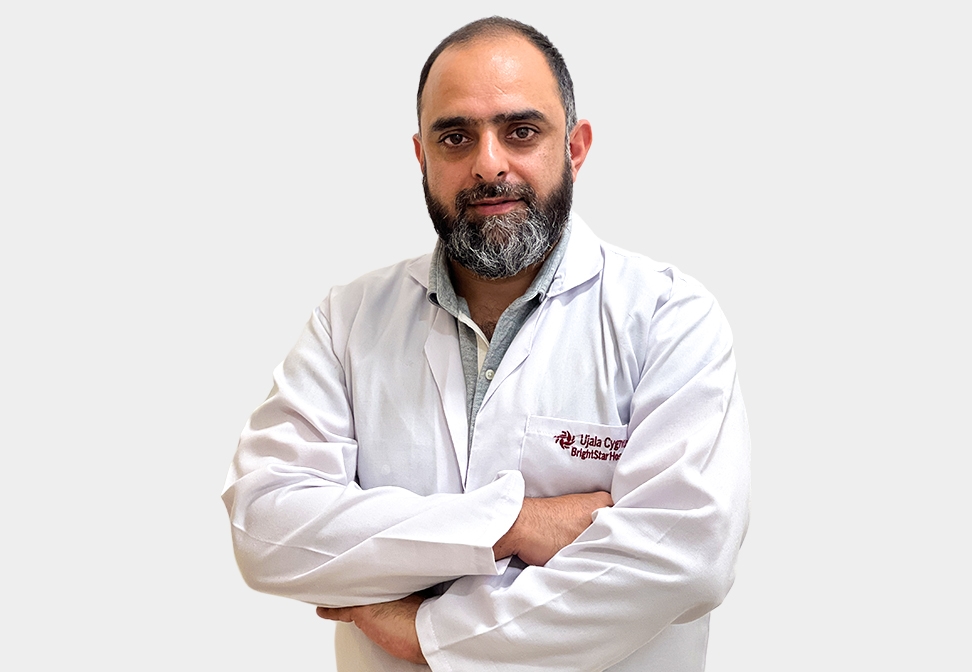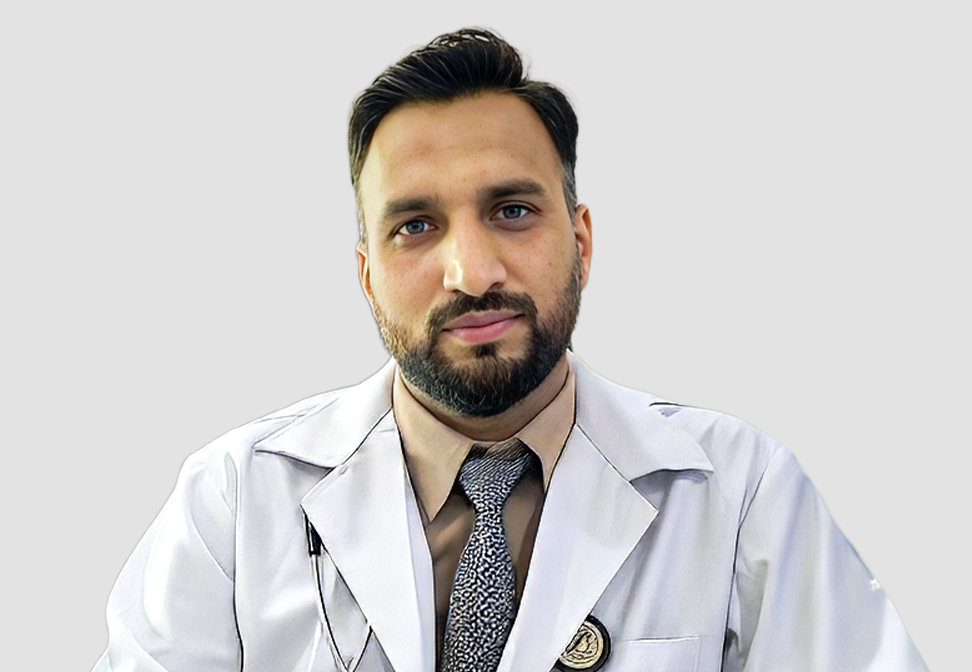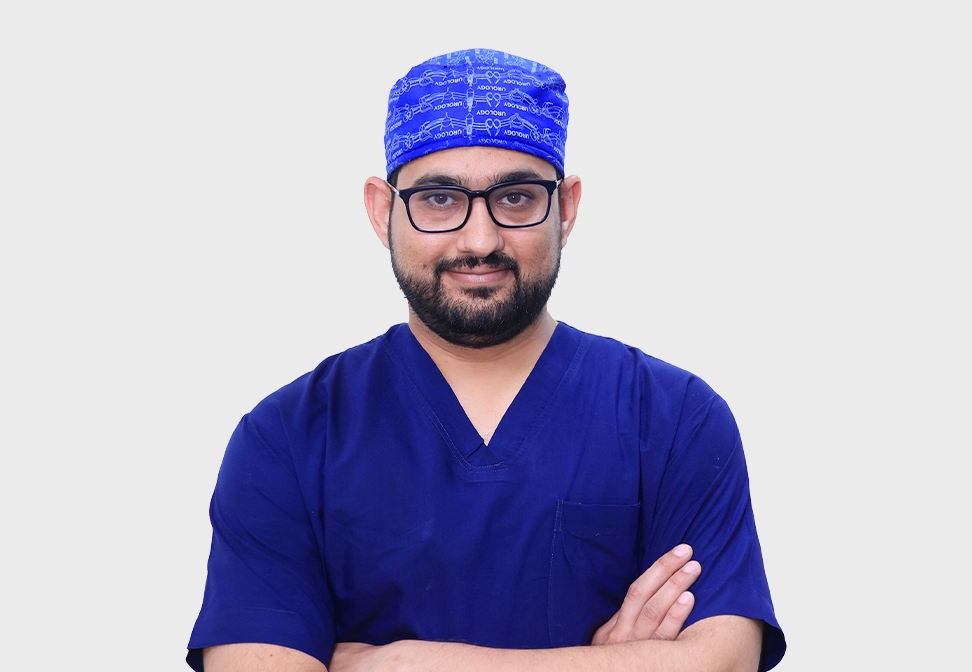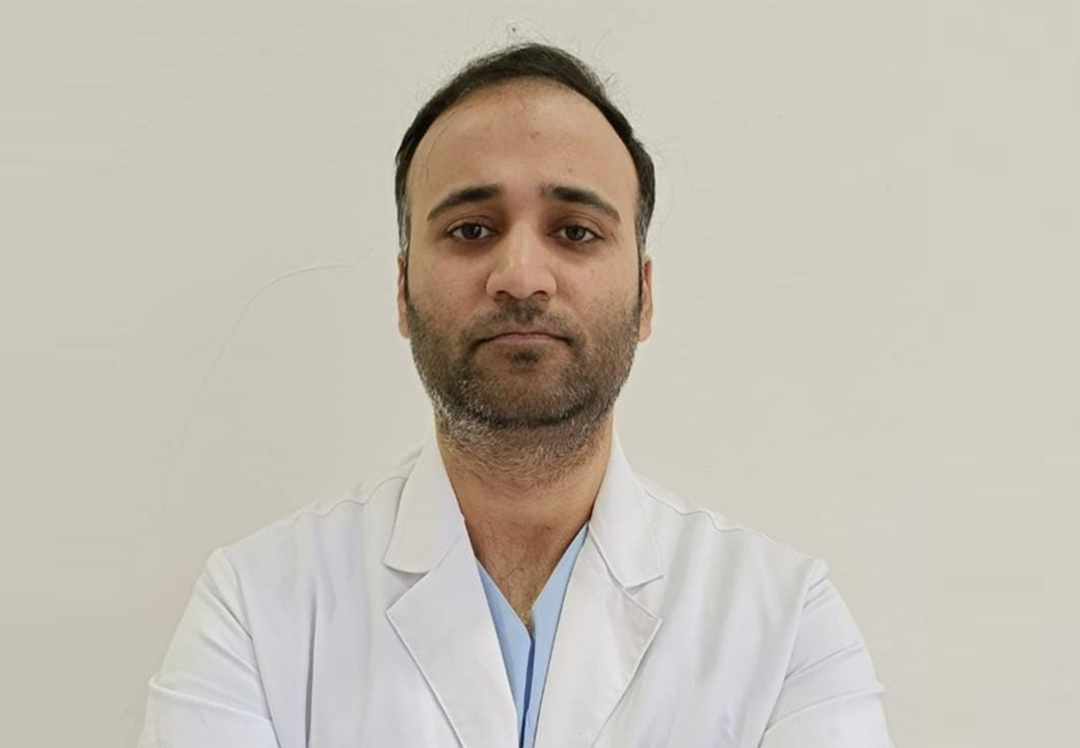

Cancer Care at Ujala Cygnus Hospital, Kaithal
Cancer is a complex disease that can affect different parts of the body, often requiring a multidisciplinary approach. At Ujala Cygnus Hospital, Kaithal, we understand that cancer diagnosis can be overwhelming for patients and families, bringing with it many questions, fears and decisions. At such a time, having access to timely medical guidance, clear communication and compassionate support can make a meaningful difference. That is exactly what we promise.
Backed by multidisciplinary expertise, advanced diagnostic facilities, modern surgical infrastructure, and comprehensive treatment modalities, Ujala Cygnus Hospital, Kaithal, delivers evidence-based cancer treatment for virtually all types of cancer with exemplary precision and compassion. As a leading multi-speciality healthcare centre in the region, the hospital combines advanced medical technology with patient-centred care to help individuals and families navigate cancer treatment with confidence.
What is Oncology?
Oncology is the branch of medicine focused on the diagnosis, treatment, and management of cancer. It covers the full spectrum of care, from identifying the type and stage of cancer to deciding the right course of treatment and monitoring the patient through recovery.
The speciality broadly works across three disciplines: medical oncology, which uses systemic treatments like chemotherapy, immunotherapy, and targeted therapy; surgical oncology, which involves the removal of tumours and affected tissue; and radiation oncology, which uses high-energy rays to destroy cancer cells. In most cases, treatment draws from more than one of these at the same time.
When Should You Consult an Oncologist?
You may need to consult an oncologist if you have been diagnosed with cancer, have test results that indicate a possible malignancy, or are experiencing symptoms that require further investigation. Some common situations where an oncology consultation may be recommended include:
- • New Cancer Diagnosis: To understand your condition, discuss treatment options, and develop an appropriate treatment plan.
- • Suspicious Test Findings: If imaging scans, biopsies, or screening tests indicate the possibility of cancer and require specialist evaluation.
- • Cancer Risk Assessment: If you have a strong family history of cancer or other risk factors that warrant specialised screening and monitoring.
- • Treatment Planning: To determine the most suitable treatment approach, including chemotherapy, immunotherapy, targeted therapy, or surgery.
- • Second Opinion: If you would like an independent review of your diagnosis, staging, or recommended treatment plan.
- • Cancer Recurrence Concerns: If cancer symptoms return or follow-up investigations suggest a possible recurrence.
- • Ongoing Cancer Management: If you require monitoring, supportive care, or long-term follow-up during or after cancer treatment.
Common Types of Cancer Treated at Ujala Cygnus Hospital
Our oncologists at Ujala Cygnus Hospitals, a reputed cancer hospital in Kaithal, provide diagnosis, treatment, and ongoing management for a wide range of cancers and related conditions, including but not limited to:
Breast Cancer
Breast cancer is one of the most common cancers affecting women, though it can also occur in men. Our oncology team provides comprehensive care for breast cancer, including diagnosis, staging, treatment planning, and ongoing management tailored to the patient's specific condition.
Lung Cancer
Lung cancer can develop in smokers as well as non-smokers and often requires timely diagnosis and specialised treatment. We offer multidisciplinary care for various types and stages of lung cancer, supported by advanced diagnostic and treatment approaches.
Gastrointestinal Cancers
This group includes cancers affecting the oesophagus, stomach, liver, pancreas, colon, rectum, and other parts of the digestive system. Our specialists develop personalised treatment plans based on the type, location, and stage of the cancer.
Gynaecological Cancers
We provide care for cancers affecting the female reproductive system, including cervical, ovarian, uterine, vaginal, and vulvar cancers. Treatment planning focuses on achieving the best possible outcomes while considering each patient's overall health and treatment goals.
Genitourinary Cancers
These cancers affect the urinary tract and male reproductive organs, including the prostate, kidneys, bladder, and testes. Our oncology team offers comprehensive evaluation, treatment, and follow-up care for patients with these conditions.
Head and Neck Cancers
Head and neck cancers may involve the oral cavity, tongue, throat, larynx, salivary glands, and surrounding structures. Early diagnosis and coordinated treatment are essential for preserving function and improving treatment outcomes.
Blood Cancers
Blood cancers include leukaemia, lymphoma, and multiple myeloma, which affect the blood, bone marrow, and lymphatic system. Our specialists provide personalised treatment strategies and long-term monitoring for these complex conditions.
Thyroid Cancer
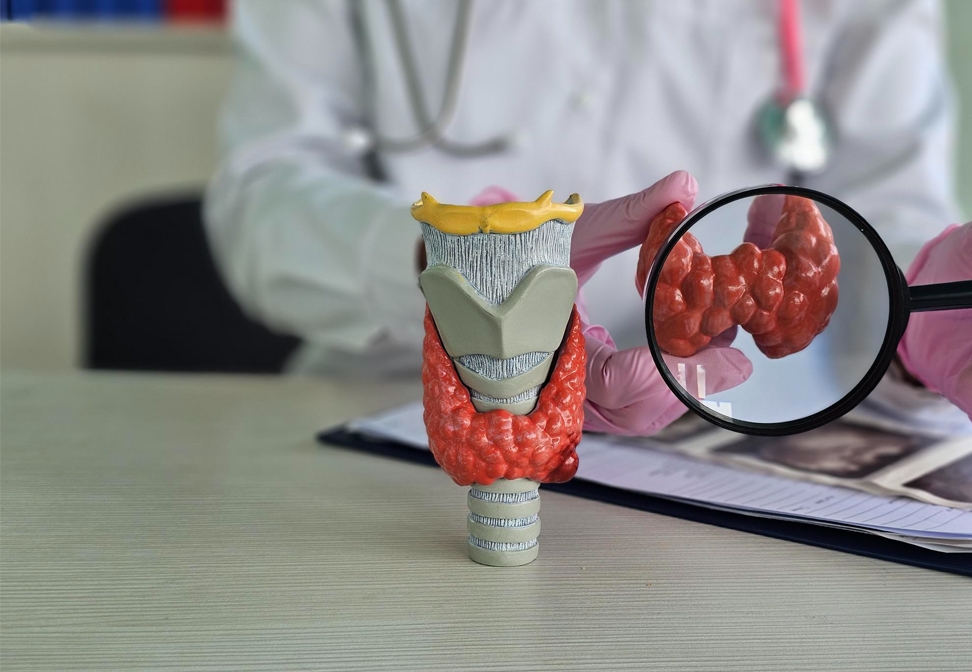
Thyroid cancer develops in the thyroid gland and is often highly treatable when detected early. We offer comprehensive evaluation and treatment planning based on the specific type and extent of the disease.
Brain and Central Nervous System Tumours
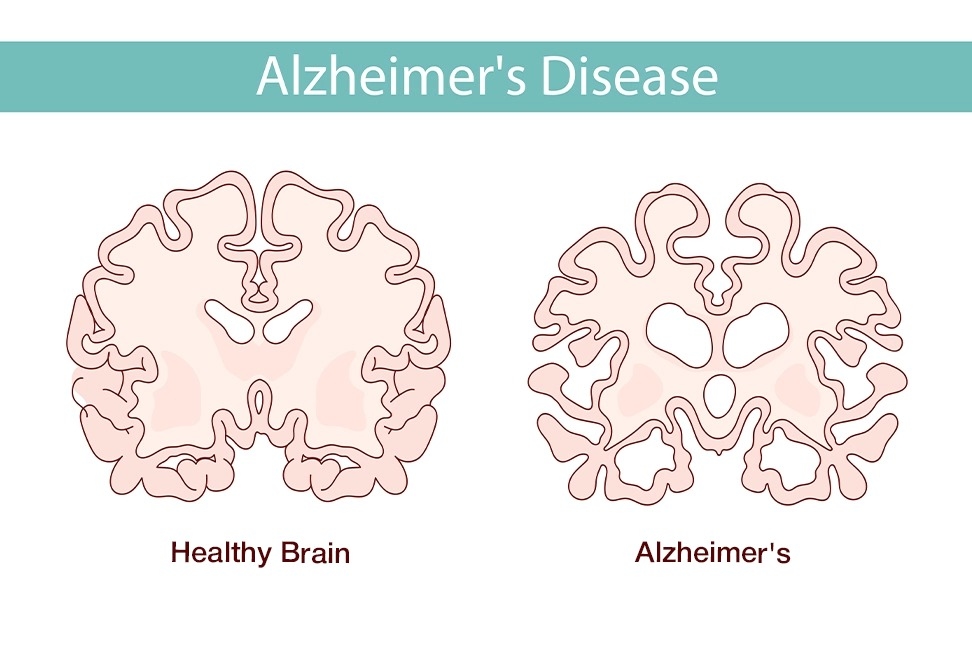
Tumours affecting the brain and central nervous system require specialised assessment and multidisciplinary care. Our team works closely with other specialists to develop treatment plans suited to the location, type, and stage of the tumour.
Bone and Soft Tissue Sarcomas
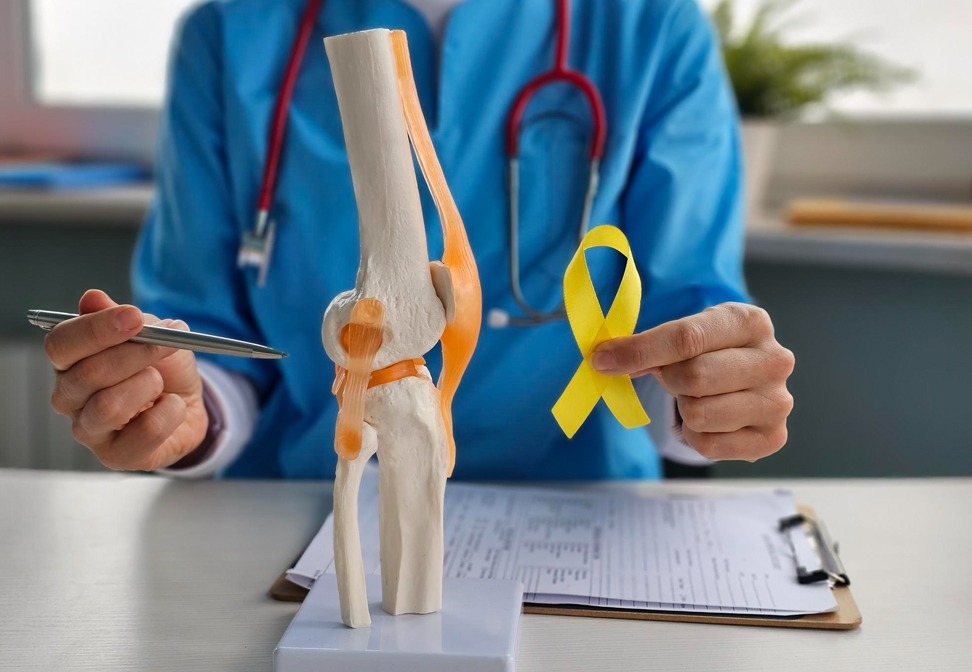
Sarcomas are relatively rare cancers that develop in bones, muscles, fat, blood vessels, or other connective tissues. Effective management often requires specialised expertise and a coordinated treatment approach.
Skin Cancer
Skin cancer can range from highly treatable localised lesions to more aggressive forms such as melanoma. Our oncology services support accurate diagnosis, treatment planning, and ongoing surveillance where required.
Metastatic Cancer
Metastatic cancer occurs when cancer spreads from its original site to other parts of the body. Managing advanced-stage cancer often requires a personalised combination of therapies aimed at controlling disease progression and improving quality of life.
Why Choose Ujala Cygnus Hospital, Kaithal for Oncological Care?
Here are some of the key reasons patients trust Ujala Cygnus Hospital, Kaithal for their cancer care needs:
- • Experienced Oncologists: Our oncology services are led by experienced oncologists with expertise in diagnosing and treating a wide range of cancers. They work closely with patients to understand their condition, explain available treatment options, and develop personalised treatment plans based on individual clinical needs.
- • Multidisciplinary Cancer Care: Effective cancer treatment often requires input from multiple specialists. At our cancer hospital, oncologists collaborate with surgeons, radiologists, pathologists, critical care specialists, and other healthcare professionals to ensure coordinated treatment planning and seamless patient care.
- • Advanced Diagnostic Capabilities: Early and accurate diagnosis plays a critical role in cancer treatment. The hospital is equipped with modern diagnostic facilities that support cancer screening, imaging, laboratory investigations, biopsy evaluation, and disease staging, helping clinicians make informed treatment decisions.
- • Comprehensive Treatment Services: We provide access to a broad spectrum of oncology services under one roof. Depending on the type and stage of cancer, patients may receive chemotherapy, targeted therapy, immunotherapy, surgical intervention, supportive care, or a combination of treatment modalities as part of a customised treatment plan.
- • Part of a Trusted Healthcare Network: As part of North India's largest NABH-accredited hospital chain, Ujala Cygnus Hospital, Kaithal, combines established clinical protocols, quality standards, and patient-centred care to deliver reliable oncology services close to home.
Advanced Cancer Treatments at Ujala Cygnus Hospital, Kaithal
At Ujala Cygnus Hospital, a leading cancer hospital in Kaithal, the oncologists provide access to a range of evidence-based cancer treatments aimed at achieving the best possible clinical outcomes.
Chemotherapy
Chemotherapy uses specialised medications to destroy cancer cells or slow their growth. It may be used as a primary treatment or in combination with surgery, radiation therapy, or other treatment modalities.
Targeted Therapy
Targeted therapy works by identifying and attacking specific molecules or pathways involved in cancer growth. This approach helps treat certain cancers more precisely while minimising damage to healthy tissues.
Immunotherapy
Immunotherapy helps strengthen the body's immune system to recognise and fight cancer cells. It is used in the treatment of selected cancers based on the patient's diagnosis and clinical profile.
Hormone Therapy
Hormone therapy may be recommended for cancers that depend on hormones for growth, such as certain breast and prostate cancers. The treatment works by blocking or reducing the effects of specific hormones.
Surgical Oncology Procedures
Surgery remains an important treatment option for many cancers. Depending on the condition, surgical procedures may be performed to remove tumours, affected tissues, or cancerous growths as part of a comprehensive treatment plan.
Palliative Cancer Care
Palliative care focuses on relieving symptoms, managing pain, and improving quality of life for patients undergoing cancer treatment. It may be provided alongside other cancer therapies at various stages of care.
Diagnostic Services at Ujala Cygnus Hospital, Kaithal
Blood Tests
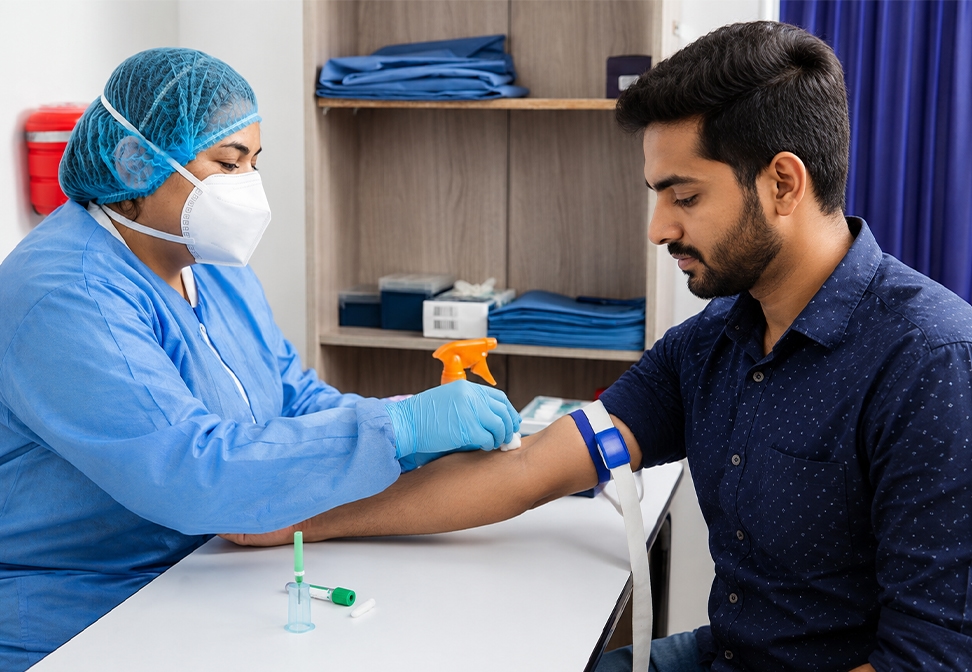
Routine and specialised blood investigations help assess overall health, organ function, blood cell counts, and other parameters that may aid in cancer diagnosis and treatment planning.
Tumour Marker Tests
These blood tests measure specific substances that may be associated with certain types of cancer and can assist in diagnosis, monitoring treatment response, and detecting recurrence.
Biopsy
A biopsy involves removing a small sample of tissue for laboratory examination. It is one of the most important tests for confirming the presence and type of cancer.
Histopathology
Histopathological examination analyses tissue samples under a microscope to determine whether cancer is present and to identify its characteristics.
Fine Needle Aspiration Cytology (FNAC)
FNAC uses a thin needle to collect cells from a lump or suspicious lesion for microscopic evaluation and diagnosis.
X-Ray
X-ray imaging may be used to identify abnormalities in various parts of the body and can help detect certain cancers or cancer-related complications.
Ultrasound
Ultrasound uses sound waves to create images of internal organs and tissues, helping evaluate suspicious masses and guide diagnostic procedures.
CT Scan
Computed Tomography (CT) scans provide detailed cross-sectional images of the body, helping assess tumour size, location, and potential spread.
MRI Scan
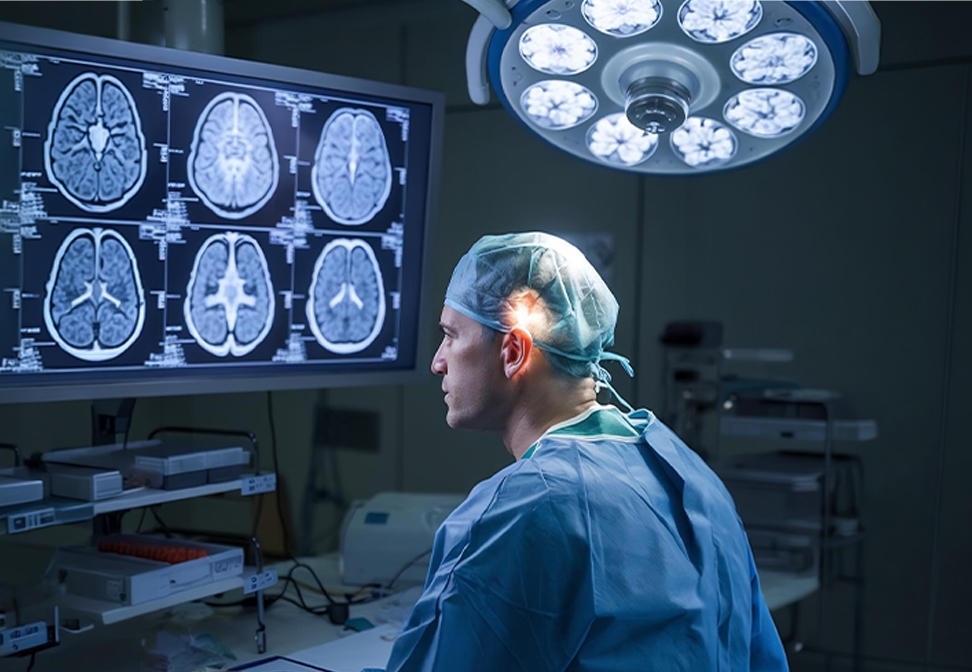
Magnetic Resonance Imaging (MRI) offers highly detailed images of soft tissues and is often used to evaluate cancers affecting the brain, spine, pelvis, and other organs.
PET-CT Scan
PET-CT combines functional and anatomical imaging to help detect cancer, determine its extent, and monitor response to treatment.
Endoscopy
Endoscopic procedures allow doctors to examine the digestive tract and other internal structures, helping identify abnormal growths and obtain tissue samples when required.
Colonoscopy
Colonoscopy enables detailed examination of the colon and rectum for the detection of polyps, precancerous changes, and colorectal cancer.
Bronchoscopy
Bronchoscopy allows direct visualisation of the airways and lungs and may be used to investigate suspected lung cancer and obtain biopsy samples.