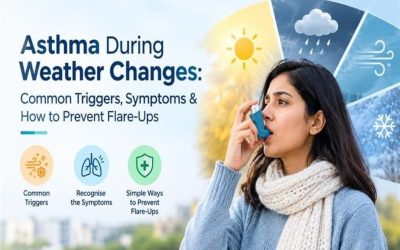
Can Diwali Air Pollution Trigger Asthma and Other Respiratory Problems?
Written By
Ujala Cygnus Team

Diwali celebrations often bring a sharp rise in air pollution comprising firecracker smoke and suspended dust particles. This sudden deterioration in air quality can irritate the respiratory tract, trigger asthma symptoms and aggravate existing breathing conditions. Even people without a history of respiratory problems may experience coughing, throat irritation or breathing discomfort after prolonged exposure. These pollutants can linger in the air long after the celebrations end. Understanding how poor air quality affects the lungs, recognising warning signs and taking timely precautions can help protect respiratory health. This article explores common respiratory problems linked to firecracker smoke and ways to reduce exposure.
How Does Diwali Air Pollution Affect Respiratory Health?
Bursting firecrackers releases a mixture of fine particulate matter, gases and chemical pollutants into the air. Prolonged exposure to these pollutants can irritate the respiratory tract and affect normal lung function. Fine particles such as PM2.5 can travel deep into the lungs, while larger particles such as PM10 can irritate the nose and upper airways. Inhaling these pollutants can trigger inflammation and increase mucus production.
The effects depend on the concentration of pollutants, duration of exposure and an individual’s respiratory health. People with sensitive airways or pre-existing lung conditions may be more vulnerable, although even those without a history of respiratory problems can experience irritation.
Can Diwali Air Pollution Trigger Asthma Attacks?
Yes. Poor air quality during Diwali can trigger asthma flare-ups in people with existing asthma. Exposure to pollutants may make already sensitive airways more reactive, leading to a sudden worsening of symptoms.
During an asthma attack, the muscles around the airways tighten, the airway lining becomes swollen and excess mucus may build up. These changes narrow the airways and restrict airflow, making it harder to breathe.
Other Respiratory Problems Linked to Diwali Air Pollution
Asthma is not the only respiratory condition that can worsen due to poor air quality during and after Diwali festivities. Exposure to pollutants can also aggravate allergies, irritate the airways and make breathing more difficult for people with existing lung conditions.
Some common respiratory concerns include:
1. Allergic Rhinitis
Airborne pollutants, dust and chemical fumes can irritate the nasal lining and aggravate allergic rhinitis. People with this condition may experience frequent sneezing, a runny or blocked nose, nasal itching and watery eyes. Those with existing respiratory allergies may notice more frequent or severe symptoms during periods of poor air quality.
2. Bronchitis
Exposure to smoke and airborne irritants can inflame the bronchial tubes, which carry air into the lungs. This irritation may trigger or worsen bronchitis, causing persistent coughing, mucus production and chest discomfort. People with existing bronchial inflammation may experience increased symptoms during Diwali.
3. Chronic Obstructive Pulmonary Disease (COPD)
People living with COPD have ongoing airflow limitations and may be particularly sensitive to air pollution. Exposure to firecracker smoke and fine particulate matter can aggravate airway inflammation and trigger a COPD flare-up. This may cause increased breathlessness, coughing, wheezing and mucus production.
4. Respiratory Tract Irritation
Even people without an existing respiratory condition can experience temporary irritation after inhaling polluted air. Smoke and chemical fumes may cause a sore throat, coughing, nasal irritation and discomfort while breathing. These effects can become more noticeable with prolonged exposure or high pollution levels.
Common Symptoms of Pollution-Related Respiratory Problems
Exposure to Diwali air pollution can cause symptoms ranging from mild irritation to significant breathing difficulties. The nature and severity of symptoms depend on the level of exposure and whether a person has an existing respiratory condition.
Common symptoms include:
- Persistent coughing: Repeated coughing as the airways react to smoke and airborne particles.
- Wheezing: A whistling sound while breathing, often associated with narrowed airways.
- Shortness of breath: Difficulty breathing or feeling unable to take a full breath.
- Chest tightness: A feeling of pressure or constriction in the chest.
- Throat irritation: A scratchy or sore throat after exposure to smoke and chemical fumes.
- Nasal congestion and sneezing: Irritation of the nasal passages, particularly in people with allergies.
- Increased mucus production: Excess mucus in the airways, which may cause coughing and discomfort.
- Eye irritation: Redness, watering or a burning sensation following exposure to smoke.
Who is More Vulnerable to Diwali Air Pollution?
Air pollution can affect everyone, but certain groups face a higher risk of respiratory complications. Their age, existing health conditions or increased sensitivity to airborne pollutants can make exposure more harmful.
The following groups should take extra precautions during Diwali:
1. Children
Children have developing lungs and breathe faster than adults, which can increase their exposure to airborne pollutants. Firecracker smoke may irritate their airways and trigger coughing, wheezing or breathing difficulties, particularly in children with asthma or allergies.
2. Older Adults
Age-related changes in lung function and existing health conditions can make older adults more vulnerable to poor air quality. Exposure to high pollution levels may worsen respiratory symptoms and aggravate underlying heart or lung conditions.
3. People with Asthma or COPD
People with chronic respiratory conditions often have sensitive or inflamed airways. Firecracker smoke and fine particulate matter can aggravate their symptoms, trigger asthma attacks or cause COPD flare-ups.
4. People with Respiratory Allergies
Individuals with allergic rhinitis or other respiratory allergies may react more strongly to airborne dust, smoke and chemical irritants. Exposure can worsen sneezing, nasal congestion and airway irritation.
5. Pregnant Women
Pregnant women should take precautions against prolonged exposure to high levels of air pollution. Fine particulate matter can enter the lungs and affect maternal respiratory health. Reducing exposure during periods of poor air quality is particularly important.
How to Protect Respiratory Health After Diwali
Air pollution can remain high even after Diwali celebrations end, as smoke and fine particles may continue to affect local air quality. Taking precautions in the days following the festival can help reduce exposure and protect respiratory health.
- Monitor local AQI levels: Check daily air quality updates and limit outdoor activities when pollution levels remain high.
- Reduce outdoor exposure: Avoid unnecessary outings, particularly near busy roads, construction sites or areas with visible smoke and dust.
- Wear a well-fitting N95 mask: Use one when going outdoors during periods of poor air quality. It helps filter fine particles but does not protect against harmful gases.
- Keep indoor air clean: Keep windows and doors closed when outdoor pollution is high. Use an air purifier with a HEPA filter, if available, and clean it regularly.
- Choose indoor exercise: Avoid strenuous outdoor activities when pollution levels are high. Exercise indoors until air quality improves.
- Continue prescribed medication: People with asthma or COPD should follow their treatment plans and keep prescribed inhalers accessible.
- Avoid additional indoor pollutants: Limit smoking, excessive incense burning and strong fragrances that can further irritate the respiratory tract.
- Stay hydrated: Drink enough water throughout the day to maintain normal mucus production and prevent throat dryness.
When to Seek Medical Help for Respiratory Problems
Respiratory symptoms after exposure to Diwali air pollution may improve as air quality gets better. However, persistent or worsening symptoms need medical attention, particularly in people with existing lung conditions.
Consult a pulmonologist if you experience:
- A persistent cough that does not improve.
- Repeated wheezing or chest tightness.
- Breathlessness during routine activities.
- Increased mucus production or changes in existing respiratory symptoms.
- Asthma or COPD symptoms that become more frequent or difficult to manage.
Important: Seek immediate medical attention if you experience severe breathing difficulty, chest pain, bluish lips or confusion. These signs may indicate a medical emergency.
Respiratory Care at Ujala Cygnus Hospitals
Persistent coughing, wheezing or breathlessness after Diwali may need a specialist assessment, particularly if symptoms interfere with daily activities or worsen an existing respiratory condition. At Ujala Cygnus Hospitals, pulmonologists can assess respiratory concerns, review symptoms and medical history, and recommend appropriate investigations and treatment based on individual needs.
People with asthma, COPD or recurring respiratory allergies should seek medical advice if their symptoms become difficult to manage. Timely assessment can help identify the cause of breathing difficulties and guide ongoing care.
FAQs
Can firecracker smoke trigger asthma?
Yes. Firecracker smoke contains fine particulate matter and chemical pollutants that can irritate and inflame the airways. In people with asthma, exposure can trigger coughing, wheezing, chest tightness and breathlessness.
How long can Diwali air pollution affect breathing?
The effects depend on pollution levels, exposure duration and individual respiratory health. Mild irritation may settle as air quality improves, but symptoms can persist or worsen in people with asthma, COPD or other respiratory conditions.
Can healthy people develop respiratory symptoms due to Diwali pollution?
Yes. Even people without a diagnosed respiratory condition may experience coughing, throat irritation, sneezing or breathing discomfort after inhaling firecracker smoke and other pollutants. Prolonged exposure or high pollution levels can increase these effects.
Does an N95 mask protect against firecracker smoke?
A well-fitting N95 mask can filter many fine airborne particles, including PM2.5. However, it does not filter harmful gases released by firecrackers. Avoiding smoke and limiting outdoor exposure remain important precautions.
Is it safe for people with asthma to exercise outdoors during Diwali?
People with asthma should avoid outdoor exercise when air quality is poor, particularly near areas where firecrackers are being used. Physical activity can increase the amount of polluted air inhaled and may trigger symptoms. Indoor exercise may be a safer alternative during these periods.
How can I protect children from Diwali air pollution?
Keep children away from areas where people burst firecrackers, limit outdoor activities when pollution levels are high and keep indoor spaces free from smoke. Children with asthma or allergies should follow their prescribed treatment plans and avoid exposure to known triggers.
When should I consult a pulmonologist after exposure to polluted air?
Consult a pulmonologist if coughing, wheezing or breathlessness persists, worsens or interferes with daily activities. People with asthma or COPD should also seek advice if their usual symptoms become harder to manage. Severe breathing difficulty, chest pain or bluish lips require immediate medical attention. At Ujala Cygnus Hospitals, our pulmonologists assess respiratory symptoms, review medical history and recommend appropriate investigations and treatment based on the patient’s condition. This helps identify the cause of persistent breathing problems and guide further care.

Dr. Anshul Kedia
Consultant
Pulmonology
MBBS, DNB Pulmonary Medicine
Ujala Cygnus Super Speciality Hospital, Haldwani, Uttarakhand
+91-91466 91466
If you want to get a free consultation without any obligations, fill in the form below and we'll get in touch with you.
Request a Call Back
Our healthcare expert will contact you shortly to understand your requirements and assist you with the right care.
100% Confidential
Your information is safe and secure with us.
Quick Response
Our team will connect with you at the earliest.
Expert Guidance
Speak with our experienced healthcare professionals.
Request a Call Back
You Will Get a call within 1 hour
Your information is
safe & confidential.