Our ENT Doctors in Kurukshetra
No experts found.
What Does an ENT Doctor Do?
An ENT doctor plays a key role in diagnosing and treating a wide range of conditions affecting the ears, nose, throat, and head and neck. Their role includes:
- Clinical Assessment: Evaluate symptoms affecting the ear, nose, throat, hearing, balance, voice and swallowing through detailed history-taking and physical examination.
- Diagnostic Evaluation: Recommend and interpret investigations including audiometry, tympanometry, nasal endoscopy, laryngoscopy, CT scans and MRI where clinically indicated.
- Medical Management: Treat infections, allergies, vertigo, sinus disease, hearing disorders and other ENT conditions using evidence-based treatment.
- Surgical Management: Perform ENT procedures such as septoplasty, FESS, tonsillectomy, adenoidectomy, tympanoplasty and mastoid surgery where appropriate.
- Emergency ENT Care: Manage ENT emergencies including severe nosebleeds, airway obstruction and foreign bodies.
- Long-term Follow-up: Monitor chronic ENT disorders and adjust treatment according to the patient's progress.
- Patient Education: Explain diagnosis, treatment options, recovery expectations and preventive measures.
Conditions Treated by ENT Doctors at Ujala Cygnus Hospitals
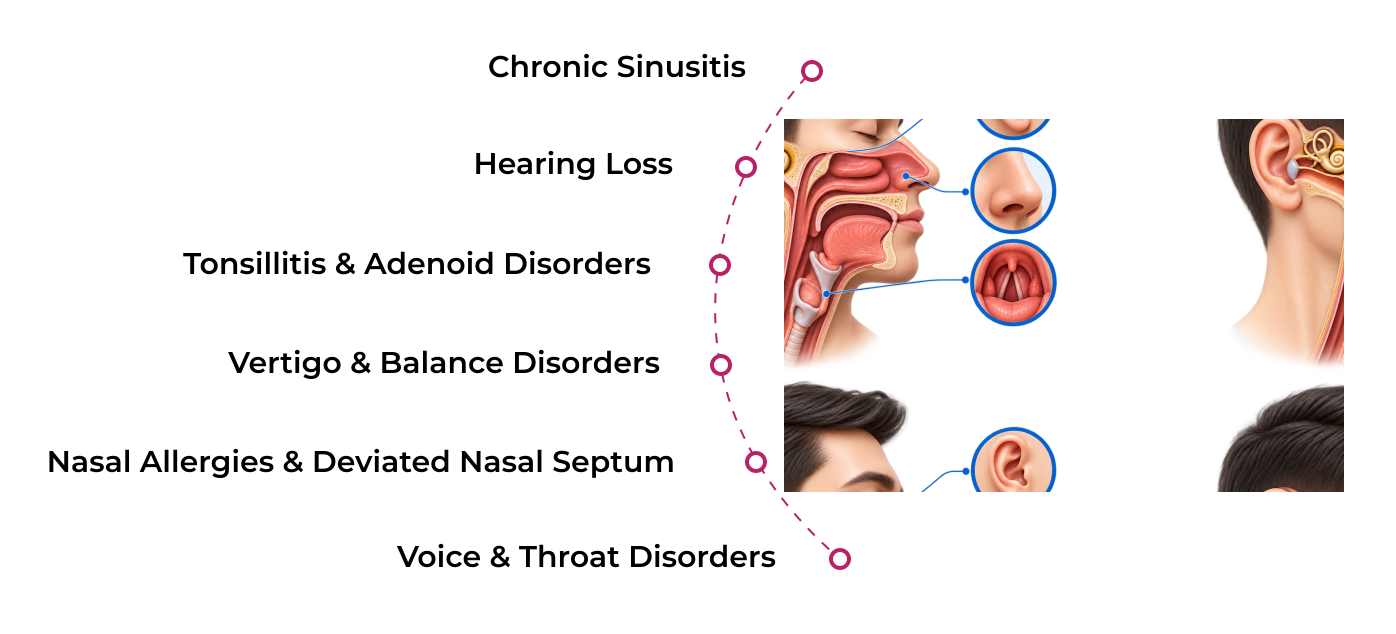
Our ENT specialists at Ujala Cygnus Hospitals, Kurukshetra, diagnose and treat a broad range of conditions affecting the ears, nose, throat, and related structures of the head and neck, including but not limited to:
Ear Infections
Ear infections can affect the outer, middle, or inner ear and may cause pain, hearing loss, ear discharge, or dizziness. Diagnosis begins with a detailed clinical examination to determine the type and severity of the infection. Treatment may include medication, ear cleaning procedures, or further evaluation in patients with recurrent or chronic infections to help prevent long-term complications.
Hearing Loss
Hearing loss may develop gradually or occur suddenly and can significantly affect communication and quality of life. A comprehensive hearing assessment helps determine whether the hearing loss is conductive or sensorineural and identify its underlying cause. Based on the findings, treatment may involve medication, hearing rehabilitation, hearing aids, or surgery where appropriate.
Tinnitus
Tinnitus is the perception of ringing, buzzing, or other sounds in the ears without an external source. As it may be associated with hearing loss or other ear disorders, a thorough evaluation is often required to identify possible contributing factors. Management focuses on treating the underlying cause wherever possible while helping patients reduce the impact of symptoms on daily life.
Vertigo and Balance Disorders
Vertigo and balance disorders can arise from conditions affecting the inner ear or other parts of the body. Careful assessment of symptoms, clinical examination, and appropriate investigations help distinguish vestibular disorders from other causes of dizziness. Treatment is tailored to the underlying diagnosis and may include medication, vestibular rehabilitation, or other targeted interventions.
Sinusitis
Sinusitis occurs when the lining of the sinuses becomes inflamed, leading to facial pain, nasal blockage, thick nasal discharge, and headaches. Clinical evaluation, supported by nasal endoscopy or imaging when required, helps determine the extent of the disease and guide treatment. While many patients improve with medication, minimally invasive procedures such as Functional Endoscopic Sinus Surgery (FESS) may be recommended for chronic or recurrent cases.
Throat and Swallowing Disorders (Dysphagia)
Difficulty swallowing can result from infections, structural abnormalities, neurological conditions, or disorders affecting the oesophagus. ENT specialists evaluate the cause and coordinate further investigations and treatment where required.
Nosebleeds (Epistaxis)
Frequent or severe nosebleeds may require specialist evaluation, particularly when they are recurrent, difficult to control, or associated with underlying nasal abnormalities. Treatment ranges from medication and nasal cauterisation to more advanced interventions where necessary.
Salivary Gland Disorders
Conditions such as salivary gland infections, stones, cysts, and swellings can cause pain, swelling, and difficulty eating. Evaluation helps determine the underlying cause and guide medical or surgical treatment.
Thyroid and Neck Lumps
Persistent neck swellings may arise from the thyroid gland, lymph nodes, salivary glands, or other structures in the neck. Careful assessment helps distinguish benign conditions from those requiring further investigation or specialist treatment.
Head and Neck Tumours
Patients with persistent ulcers, unexplained neck masses, voice changes, or swallowing difficulties may require evaluation for benign or malignant head and neck tumours. Diagnosis often involves imaging, endoscopy, and biopsy, with treatment planned through a multidisciplinary approach.
ENT Diagnostic and Treatment Services at Ujala Cygnus Hospitals, Kurukshetra
Our ENT department combines advanced diagnostic capabilities with medical and surgical treatment services to deliver comprehensive care for conditions affecting the ears, nose, throat, and head and neck.
Audiometry (Hearing Assessment)
Audiometry is a non-invasive hearing test used to assess the type and severity of hearing loss. It helps evaluate how well patients hear sounds across different frequencies and is commonly performed for individuals with hearing loss, tinnitus, recurrent ear infections, or exposure to excessive noise. The results guide treatment decisions, including medication, hearing rehabilitation, or surgical intervention where appropriate.
Tympanometry
Tympanometry evaluates the function of the middle ear by measuring the movement of the eardrum in response to changes in air pressure. It is particularly useful in diagnosing middle ear infections, fluid behind the eardrum, Eustachian tube dysfunction, and perforated eardrums. The investigation complements hearing assessment and helps determine the underlying cause of hearing-related symptoms.
Nasal Endoscopy
Nasal endoscopy allows the ENT specialist to examine the nasal passages and sinus openings using a thin, flexible or rigid endoscope. It plays an important role in diagnosing chronic sinusitis, nasal polyps, deviated nasal septum, persistent nasal blockage, and unexplained nosebleeds. The procedure is performed in the outpatient setting and provides detailed visual assessment without the need for major intervention.
Laryngoscopy
Laryngoscopy enables detailed examination of the larynx (voice box) and vocal cords. It is commonly performed in patients with persistent hoarseness, voice changes, swallowing difficulties, chronic cough, or suspected vocal cord disorders. The investigation helps identify inflammation, structural abnormalities, vocal cord paralysis, and other conditions affecting the voice and throat.
Microscopic Ear Examination
Microscopic examination of the ear provides a magnified view of the ear canal and eardrum, allowing accurate evaluation of infections, perforations, ear discharge, and chronic ear disease. It also assists in planning appropriate medical or surgical treatment where necessary.
Computed Tomography (CT) and Magnetic Resonance Imaging (MRI)
Advanced imaging studies such as CT and MRI are recommended when a more detailed assessment of the ears, sinuses, skull base, or head and neck structures is required. These investigations help evaluate chronic sinus disease, complicated ear infections, tumours, facial trauma, and congenital abnormalities while supporting surgical planning when indicated.
Allergy Assessment
For patients with persistent nasal allergies or recurrent sinus symptoms, allergy evaluation may be recommended to identify potential triggers. Understanding the underlying cause allows ENT specialists to develop personalised treatment strategies that may include medication, environmental control measures, or referral for specialised allergy management.
Ear Wax Removal (Microsuction)
Microsuction is a safe and precise technique for removing impacted ear wax under direct visualisation using a microscope. Unlike traditional methods, it provides better accuracy and is particularly suitable for patients with hearing aids, previous ear surgery, or eardrum perforations.
Functional Endoscopic Sinus Surgery (FESS)
Functional Endoscopic Sinus Surgery (FESS) is a minimally invasive procedure performed to improve drainage of the sinuses in patients with chronic sinusitis, nasal polyps, or recurrent sinus infections that have not responded to medical treatment. Using specialised endoscopic instruments, surgeons restore normal sinus ventilation while preserving healthy surrounding tissue.
Septoplasty
Septoplasty is performed to correct a deviated nasal septum that causes persistent nasal obstruction, breathing difficulty, recurrent sinus infections, or sleep-related symptoms. The procedure improves airflow through the nose and may be combined with other nasal procedures where clinically indicated.
Tonsillectomy and Adenoidectomy
These procedures involve the removal of enlarged or repeatedly infected tonsils and adenoids. They are commonly recommended for patients with recurrent throat infections, obstructive sleep-disordered breathing, or persistent enlargement affecting swallowing or breathing. Treatment decisions are based on the patient's symptoms, clinical findings, and overall health.
Tympanoplasty and Mastoid Surgery
Tympanoplasty is performed to repair a perforated eardrum and improve hearing, while mastoid surgery is used to treat chronic ear infections that have spread to the mastoid bone behind the ear. These procedures aim to eliminate infection, preserve hearing, and prevent long-term complications.
When to Consult an ENT Doctor
Many ENT conditions respond well to conservative treatment, but symptoms that persist, recur frequently, or interfere with daily life often require specialist evaluation. One should consider consulting an ENT doctor if they experience one or more of the following symptoms:
- Persistent ear pain, discharge or hearing loss.
- Repeated sinus infections or blocked nose lasting several weeks.
- Frequent nosebleeds or reduced sense of smell.
- Recurring sore throat or difficulty swallowing.
- Hoarseness lasting longer than three weeks.
- Dizziness, vertigo or balance problems.
- Snoring is associated with disturbed sleep.
- Persistent lump in the neck or jaw region.
Why Choose Ujala Cygnus Hospitals for ENT Care
Choosing the right hospital for ENT care plays an important role in achieving an accurate diagnosis, effective treatment, and better long-term outcomes. Here is what patients can expect at Ujala Cygnus Hospitals:
- Experienced ENT Specialists: Our ENT specialists have extensive experience in diagnosing and managing a wide range of ear, nose, throat, head, and neck conditions, from common infections and allergies to complex disorders requiring specialised medical or surgical care.
- Comprehensive Diagnostic and Treatment Services: From hearing assessments, nasal endoscopy, and laryngoscopy to advanced imaging and ENT surgeries, patients have access to a broad range of diagnostic and treatment services under one roof. This allows for timely evaluation, coordinated care, and greater convenience throughout the treatment journey.
- Personalised, Patient-Centred Care: Every treatment plan is tailored to the patient's symptoms, diagnosis, overall health, and individual needs. Whether the condition requires medical management, minimally invasive procedures, or surgery, the focus remains on delivering safe, evidence-based care and supporting the best possible recovery.
Book an Appointment with an ENT Doctor at Ujala Cygnus Hospitals, Kurukshetra
If you or a loved one is experiencing persistent ear, nose, or throat symptoms, seeking timely evaluation by an ENT specialist can help identify the underlying cause and ensure appropriate treatment. To book an appointment with an ENT doctor at Ujala Cygnus Hospitals, Kurukshetra, patients can visit the hospital directly, call the helpline, or use the online appointment booking option available on the website.
Latest Blogs










Frequently Asked Questions
Is surgery necessary for every ENT condition?
No. Many ENT conditions respond well to medicines and lifestyle measures. Surgery is recommended only when necessary.
What symptoms indicate that an ear infection needs specialist treatment?
If ear pain is severe, persists for more than a few days, or is accompanied by hearing loss, ear discharge, dizziness, or recurrent infections, it is advisable to consult an ENT specialist. Early evaluation can help identify the underlying cause and prevent complications.
Can a deviated nasal septum (DNS) cause breathing problems?
Yes. A deviated nasal septum can obstruct one or both nasal passages, leading to difficulty breathing through the nose, frequent sinus infections, snoring, or disturbed sleep. An ENT specialist can assess the severity and recommend medical treatment or surgery if required.
How is chronic sinusitis diagnosed by an ENT specialist?
Diagnosis usually begins with a detailed discussion of your symptoms and a physical examination. Depending on your condition, the ENT specialist may perform a nasal endoscopy or recommend imaging, such as a CT scan, to assess the extent of sinus inflammation and identify any structural abnormalities.
What should I expect during my first ENT consultation?
During your first visit, the ENT specialist will review your symptoms, medical history, and any previous reports before examining your ears, nose, and throat. Additional tests or imaging may be recommended if needed, following which the doctor will discuss the diagnosis and an appropriate treatment plan.
Can persistent hoarseness be a sign of a serious condition?
Hoarseness that lasts for more than three weeks should not be ignored, especially if it is associated with difficulty swallowing, a neck lump, or unexplained weight loss. While many cases are caused by infections or voice strain, persistent symptoms require evaluation to rule out more serious conditions.