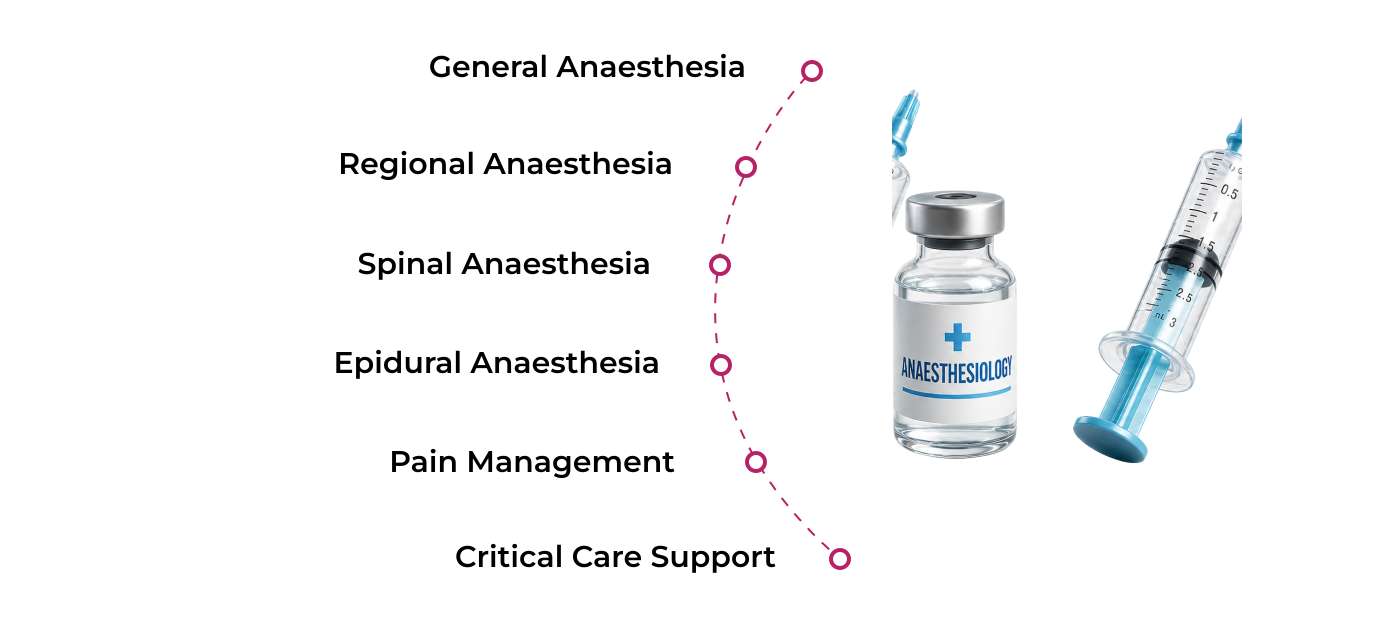
Anaesthesia plays a critical role in surgery, making specialist expertise and careful planning essential for patient safety. At Ujala Cygnus Hospitals,Rewari, our experienced anaesthesiologists provide anaesthesia care for minor, major and high-risk surgical procedures. They work closely with surgeons and other specialists to assess each patient’s medical condition, plan appropriate anaesthesia and coordinate care around individual needs. Their role extends beyond the operating theatre to include monitoring during surgery, post-operative pain management and recovery support, helping patients receive continued care throughout their surgical journey.
Our Anaesthesiologist in Rewari

What Does an Anaesthesiologist Do?
An anaesthesiologist is a medical specialist who administers anaesthesia, monitors patients during surgical procedures and helps manage pain. The role involves assessing factors that may affect anaesthesia, selecting an appropriate technique and monitoring vital functions such as breathing, heart rate and blood pressure during surgery.
Anaesthesiologists also work closely with surgeons and other specialists to coordinate patient care. Depending on the clinical setting and the services available, their work may extend to critical care, sedation and specialised pain management.
When Should Patients Consult an Anaesthesiologist?
Patients should consult an anaesthesiologist as part of their preparation for surgery or another procedure that requires anaesthesia. The consultation helps the specialist understand the patient's health, identify potential concerns and determine the appropriate approach.
An early assessment is particularly important for patients who:
- Have diabetes, high blood pressure, heart disease or a respiratory condition.
- Take regular medicines or have known allergies that may affect anaesthesia.
- Have experienced a previous reaction or complication related to anaesthesia.
- Are preparing for a major or complex surgical procedure.
- Have concerns about anaesthesia, pain control or recovery after surgery.
Anaesthesia Services at Ujala Cygnus, Rewari
Anaesthesia helps manage pain and supports patient monitoring during surgical procedures. The anaesthesiologist selects the appropriate technique according to the nature of the procedure, the patient's health and the anticipated clinical requirements.
Depending on clinical needs and service availability at the Rewari location, anaesthesia options may include:
General Anaesthesia
General anaesthesia produces temporary unconsciousness during surgery. The anaesthesiologist administers the necessary medicines and monitors the patient's vital functions throughout the procedure.
Regional Anaesthesia
Regional anaesthesia blocks sensation in a specific part of the body. Depending on the procedure, the specialist may use it instead of general anaesthesia or combine both techniques.
Spinal and Epidural Anaesthesia
Spinal and epidural anaesthesia are forms of regional anaesthesia. They may provide anaesthesia or pain relief for selected procedures, including certain lower abdominal, lower limb and childbirth-related procedures, depending on clinical requirements.
Sedation
Sedation helps patients relax or become drowsy during selected procedures. The level of sedation depends on the procedure and the patient's needs, and the team determines the required monitoring accordingly.
Anaesthesia Care Before, During and After Surgery
Anaesthesia care extends beyond the operating theatre. It includes preparing patients for surgery, monitoring their condition during the procedure and supporting their recovery afterwards. At Ujala Cygnus, Rewari, our anaesthesiologists work closely with surgeons to plan appropriate anaesthesia, monitor patients throughout surgery and manage post-operative pain to support a safe and comfortable recovery.
Before Surgery
Before surgery, the anaesthesiologist reviews the patient's medical history, current medications, allergies, previous anaesthesia experiences and existing health conditions. The specialist may also assess the patient's airway and other clinical factors relevant to anaesthesia.
Depending on the patient's condition and the planned procedure, the team may recommend blood tests, cardiac evaluation, pulmonary function tests or other investigations. These tests help assess specific risks and are selected according to clinical need.
The anaesthesiologist then plans the appropriate anaesthesia and explains relevant precautions. Patients receive instructions about fasting, medication use and other preparations required before surgery. They should follow these instructions and discuss any concerns about their regular medicines with the treating team rather than making changes independently.
During Surgery
During surgery, the anaesthesiologist administers the planned anaesthesia and monitors the patient's response. Monitoring may include heart rate, blood pressure, breathing and oxygen levels, along with other parameters relevant to the procedure.
The specialist adjusts anaesthesia and supportive care when necessary and responds to changes in the patient's condition. Close coordination with the surgical team helps address clinical requirements as the procedure progresses.
After Surgery
After surgery, the care team monitors the patient's recovery, including consciousness, breathing and vital signs. The duration of monitoring depends on the procedure, the anaesthesia used and the patient's condition.
The team also addresses post-operative discomfort and other concerns, such as nausea or vomiting, when they occur. Pain relief may involve prescribed medicines or other appropriate techniques based on the procedure and individual needs. Patients who require closer observation or additional medical support may need further monitoring according to the treating team's assessment.
Why Choose Ujala Cygnus in Rewari for Anaesthesiology Care?
Anaesthesiology requires individual assessment, sound clinical judgement and coordination with the wider surgical team. At Ujala Cygnus, Rewari, our approach focuses on addressing the needs of each patient while supporting the planned procedure and subsequent recovery.
Individualised Clinical Planning
Our anaesthesiology team considers the patient's medical history, existing conditions and surgical requirements when planning anaesthesia. This assessment helps identify potential risks and determine appropriate precautions and monitoring.
Coordination with the Surgical Team
Anaesthesiologists work alongside surgeons and other relevant specialists to plan care around the patient's clinical needs. This coordination supports communication about the planned procedure, anaesthesia requirements and recovery.
Clear Guidance for Patients
Understanding the planned anaesthesia and preparation requirements can help patients make informed decisions about their care. Our specialists explain relevant precautions and give patients an opportunity to discuss medical concerns, previous anaesthesia experiences and questions about recovery.
Access to Supporting Hospital Services
Depending on a patient’s medical condition and the planned procedure, anaesthesia care may involve diagnostic investigations, emergency and trauma care support. At Ujala Cygnus, Rewari, our anaesthesiologists work alongside the wider medical team to coordinate the support required at different stages of treatment. The treating team determines the appropriate services based on each patient’s clinical assessment and medical needs.
Latest Blogs









Frequently Asked Questions
Will a patient remain awake during anaesthesia?
Why must patients fast before receiving anaesthesia?
Fasting before certain anaesthetic procedures reduces the risk of stomach contents entering the lungs during anaesthesia. The required fasting period depends on the procedure, the anaesthesia planned and individual circumstances. Patients should follow the instructions provided by the treating team.
How long does anaesthesia take to wear off?
Recovery time varies according to the type of anaesthesia, the medicines used, the duration of the procedure and the patient’s health. Some effects may wear off within a few hours, while drowsiness or temporary changes in sensation may last longer. The care team monitors recovery and provides instructions specific to the procedure.
Can patients with diabetes, high blood pressure or heart disease receive anaesthesia?
Many patients with these conditions can undergo anaesthesia, but their individual risks depend on the severity and control of the condition, their overall health and the planned procedure. The anaesthesiologist reviews the patient’s medical history and treatment, recommends additional investigations when needed and plans appropriate precautions. Patients should not stop or change prescribed medicines without medical advice.
What information should patients share with an anaesthesiologist?
Patients should disclose existing medical conditions, current medicines and supplements, known allergies, previous reactions to anaesthesia and any relevant surgical history. They should also mention symptoms that may affect surgery, such as breathing difficulties or chest discomfort. Complete information helps the anaesthesiologist assess potential risks and plan appropriate care.
Can an anaesthesiologist help manage pain after surgery?
Yes. Anaesthesiologists may contribute to post-operative pain management by recommending appropriate medicines or other techniques according to the procedure and the patient’s condition. The care team monitors pain relief and adjusts the approach when clinically necessary.