Kawasaki Disease
Kawasaki disease occurs in children and causes inflammation and swelling of small or medium arteries of the heart that supply oxygen-rich blood to the heart.
This disease was previously known as mucocutaneous lymph node syndrome since it also leads to swelling in glands (lymph nodes) and mucous membranes within the mouth, eyes, nose, and throat.
Causes
The cause of Kawasaki disease is unknown. However, it is evident that the disease is not contagious. Some researchers believe it occurs after a bacterial or viral infection and is linked to many environmental factors. Genetic predisposition may also be associated.
Symptoms
Children who have Kawasaki disease may experience some distinct symptoms. The following are the typical symptoms that help diagnose the condition:
- High fever (102.2 F) for more than five days
- An enlarged lymph node in the neck
- Swollen hands and feet with their skin peeling
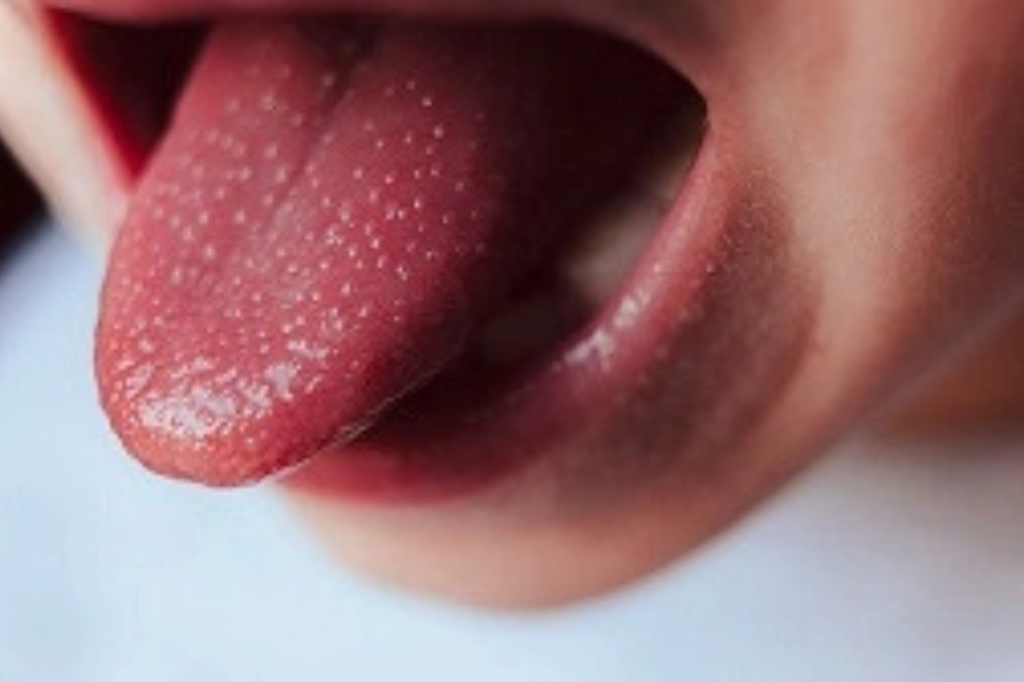
- Red eyes and tongue
- Rashes appear on any parts of the body, including the genitals
- Red, dry, cracked lips along with an extremely red, swollen tongue
The other signs and symptoms of Kawasaki disease that may or may not develop in all cases include:
- Abdominal pain
- Diarrhoea
- Irritability
- Joint pain
- Vomiting
Diagnosis
Doctors often try diagnosing a condition with the symptoms. Kawasaki disease may be a provisional diagnosis when the patient suffers from a long-lasting fever and any of its classical signs are evident. Doctors advise the following tests to confirm the diagnosis and rule out other conditions,
- Electrocardiogram and echocardiogram are advised to eliminate any associated heart conditions.
- help assess the extent of the condition.
- X-rays and coronary angiograms aid in the evaluation of the affected areas.
Treatment
Children often experience pain due to fever, skin issues and swelling. Doctors prescribe medicines to alleviate pain and control temperature. Alternatively, one can use wet wipes on the skin to make it cooler or have a cold water bath to reduce body temperature.
Medicines such as paracetamol and aspirin help with fever and body aches and also prevent blood clots. However, it is essential to take them with the doctor’s consent.
Doctors may additionally advise immunoglobulin injections given intravenously or IV. They help strengthen the defence system and fight infection since they are proteins called antibodies. In addition, immunoglobulin injections given in combination with aspirin have a better effect on the body than aspirin taken alone. Therefore, it reduces the risk of a heart ailment in the long run.
Most treatments for Kawasaki disease are carried out in a hospital because of the risk of complications.
Prevention
Kawasaki Disease is not contagious, which means that it does not spread from one person to another. Also, it cannot be prevented since its cause is not known.



+91-91466 91466
If you want to get a free consultation without any obligations, fill in the form below and we'll get in touch with you.
Request a Call Back
Our healthcare expert will contact you shortly to understand your requirements and assist you with the right care.
100% Confidential
Your information is safe and secure with us.
Quick Response
Our team will connect with you at the earliest.
Expert Guidance
Speak with our experienced healthcare professionals.
Request a Call Back
You Will Get a call within 1 hour
?? Your information is
safe & confidential.