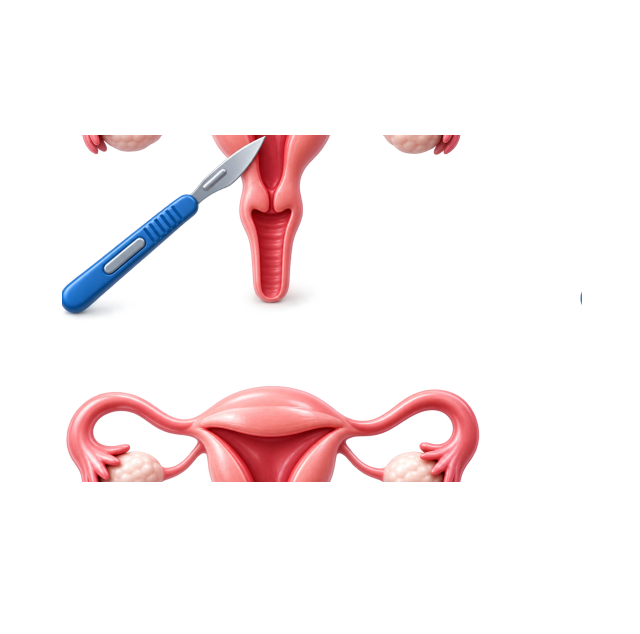
Abdominal Hysterectomy Surgery
Abdominal Hysterectomy is a common gynaecological surgical procedure performed to remove the uterus through an incision in the lower abdomen. It is often recommended for women experiencing conditions such as large uterine fibroids, severe endometriosis, chronic pelvic pain, abnormal uterine bleeding, adenomyosis, or certain gynaecological cancers. At Ujala Cygnus Hospitals, our experienced gynaecologists and women's health specialists provide advanced Abdominal Hysterectomy treatment with a focus on patient safety, comfort, and long-term wellbeing.
Advanced Abdominal Hysterectomy Treatment at Ujala Cygnus Hospitals
At Ujala Cygnus Hospitals, we offer comprehensive care for women requiring Abdominal Hysterectomy surgery. This procedure is often considered when symptoms significantly affect quality of life and non-surgical treatments have not provided adequate relief. By removing the uterus, Abdominal Hysterectomy can provide a long-term solution for several complex gynaecological conditions.
Our team of experienced gynaecologists performs thorough evaluations using advanced diagnostic techniques to understand the underlying condition and determine whether hysterectomy is the most appropriate treatment option. We ensure that every patient receives personalised guidance and support throughout the treatment journey.
Using modern surgical techniques and evidence-based care protocols, we aim to achieve the best possible outcomes while helping women recover comfortably and return to their normal daily activities with confidence.
What is Abdominal Hysterectomy?
Abdominal Hysterectomy is a surgical procedure in which the uterus is removed through an incision made in the lower abdomen. Depending on the patient's medical condition, the surgery may involve removal of only the uterus or include the cervix, fallopian tubes, and ovaries.
The procedure is commonly recommended for women with severe uterine conditions that cannot be effectively managed through medication, minimally invasive procedures, or other treatments. Abdominal Hysterectomy eliminates symptoms caused by uterine disease and prevents recurrence of conditions affecting the uterus.
Types of Abdominal Hysterectomy
Total Abdominal Hysterectomy
The entire uterus, including the cervix, is removed. This is the most commonly performed type of hysterectomy.
Partial (Subtotal) Abdominal Hysterectomy
Only the upper portion of the uterus is removed, while the cervix is left intact.
Radical Abdominal Hysterectomy
Performed primarily for certain gynaecological cancers, involving removal of the uterus, cervix, surrounding tissues, and part of the vagina.
Total Hysterectomy with Bilateral Salpingo-Oophorectomy
The uterus, cervix, both ovaries, and fallopian tubes are removed when medically necessary.
Hysterectomy for Benign Conditions
Performed to treat non-cancerous conditions such as fibroids, adenomyosis, or severe endometriosis.
Hysterectomy for Cancer Treatment
Recommended as part of treatment for uterine, cervical, ovarian, or other gynaecological cancers.
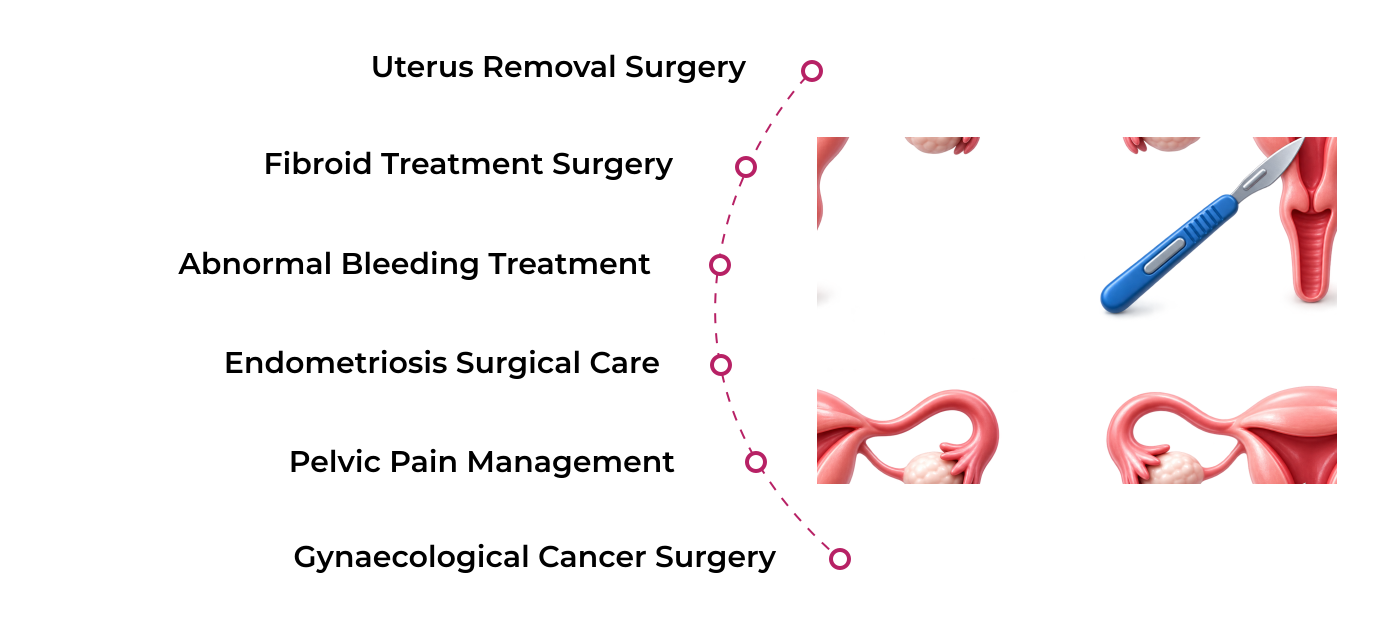
Conditions Treated with Abdominal Hysterectomy
Abdominal Hysterectomy Procedure: What Happens During Treatment?
Benefits of Abdominal Hysterectomy
Abdominal Hysterectomy can provide long-term relief from several serious gynaecological conditions and improve overall quality of life.
- Provides permanent relief from uterine-related symptoms
- Eliminates heavy menstrual bleeding
- Reduces chronic pelvic pain and discomfort
- Effectively treats large uterine fibroids
- Helps manage severe endometriosis and adenomyosis
- Prevents recurrence of uterine disease
- May be life-saving in certain cancer cases
- Improves daily comfort and quality of life
- Reduces the need for ongoing medical treatment
Why Choose Ujala Cygnus Hospitals for Abdominal Hysterectomy?

Experienced Gynaecology Specialists
Our skilled gynaecologists and women's health experts have extensive experience in performing complex hysterectomy procedures with a patient-centred approach.

Advanced Surgical Facilities
We utilise modern operation theatres, advanced diagnostic technology, and evidence-based surgical protocols to ensure safe and effective treatment.

Personalised Women's Healthcare
Every patient receives a customised treatment plan based on her medical condition, symptoms, age, and future health considerations.

Comprehensive Recovery Support
Our multidisciplinary care team provides complete support before, during, and after surgery, helping patients recover safely and comfortably.
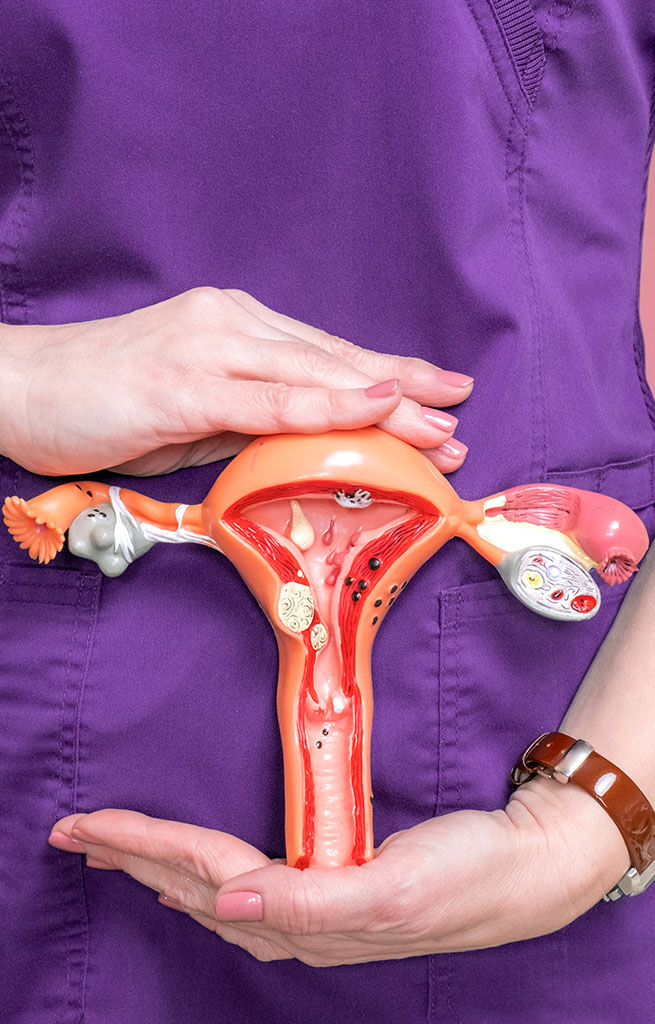
Possible Risks and Complications of Abdominal Hysterectomy and How They Are Managed
As with any major surgery, Abdominal Hysterectomy carries certain risks. However, careful planning and expert care help minimise complications.
Short-Term Risks
Pain and Discomfort
Temporary pain around the surgical site is common and managed with appropriate medication.
Bleeding
Some bleeding may occur during or after surgery but is closely monitored by the surgical team.
Infection
Surgical site or urinary tract infections may occur but can usually be treated effectively.
Blood Clots
A small risk of blood clot formation exists following surgery, particularly during recovery.
Anaesthesia-Related Complications
Rare complications associated with anaesthesia are minimised through detailed pre-operative assessment.
Long-Term Risks
Scar Formation
A visible abdominal scar may remain following surgery, although it generally fades over time.
Early Menopause
Women who have their ovaries removed may experience immediate menopause and related symptoms.
Pelvic Floor Changes
Some women may experience pelvic floor weakness or urinary symptoms following surgery.
Emotional Adjustment
The emotional impact of hysterectomy may affect some patients and may require additional support.
Adhesion Formation
Internal scar tissue may develop after surgery, although this is relatively uncommon.
Managing and Reducing Risks
Comprehensive Medical Evaluation
Detailed assessments help identify individual risk factors before surgery.
Experienced Surgical Team
Specialist gynaecologists use advanced surgical techniques to improve safety and treatment outcomes.
Early Mobilisation and Recovery Protocols
Patients are encouraged to move safely after surgery to reduce complications and support recovery.
Regular Follow-Up Care
Ongoing monitoring ensures proper healing and allows any concerns to be addressed promptly.
Recovery and Support Following Abdominal Hysterectomy
Recovery after Abdominal Hysterectomy takes time, and a structured rehabilitation plan can help women regain strength and return to normal activities safely.
Diet and Nutrition
A nutritious diet rich in protein, vitamins, and fibre supports healing, energy levels, and overall recovery following surgery.
Physical Activity and Exercise
Light walking is usually encouraged during recovery, while heavy lifting and strenuous activities should be avoided until approved by the treating doctor.
Emotional Wellbeing and Support
Women may experience emotional changes during recovery. Support from family, healthcare professionals, and counselling services can be beneficial.
Follow-Up Care and Long-Term Recovery
Regular follow-up appointments allow doctors to monitor healing, manage symptoms, and provide guidance for a smooth recovery process.
Patient Stories

Hip Replacement by
Dr. Indranil Halder

LNICU by
Dr. Rajeev Kumar

CKD Diabetes
CKD Diabetes

Knee Replacement by
Knee Replacement

TNBC Survivor by
Dr. Abid Lone

Spine Surgery by
Dr. Saurabh Kumar Sinha

Brain Surgery by
Dr. Saurabh Kumar Sinha
Hip Replacement by
Dr. Indranil Halder
NICU by
Dr. Rajeev Kumar
CKD Diabetes
CKD Diabetes
Knee Replacement by
Knee Replacement
TNBC Survivor by
Dr. Abid Lone
Spine Surgery by
Dr. Saurabh Kumar Sinha
Brain Surgery by
Dr. Saurabh Kumar Sinha
Latest Blogs










Frequently Asked Questions
What is an Abdominal Hysterectomy?
Abdominal Hysterectomy is a surgical procedure that removes the uterus through an incision in the lower abdomen to treat various gynaecological conditions.
Why is an Abdominal Hysterectomy performed?
It is commonly performed for conditions such as uterine fibroids, heavy menstrual bleeding, endometriosis, adenomyosis, chronic pelvic pain, and certain cancers.
How long does recovery take after Abdominal Hysterectomy?
Most women require several weeks for recovery, although the exact duration varies depending on overall health and the extent of surgery.
Will I have periods after an Abdominal Hysterectomy?
No. Once the uterus is removed, menstrual periods permanently stop.
Is Abdominal Hysterectomy a major surgery?
Yes. It is considered a major surgical procedure and requires careful preparation, hospital care, and post-operative recovery.
What are the benefits of Abdominal Hysterectomy?
The procedure can permanently relieve symptoms, improve quality of life, prevent recurrence of uterine conditions, and provide effective treatment for certain cancers.