CABG Surgery (Coronary Artery Bypass Grafting)
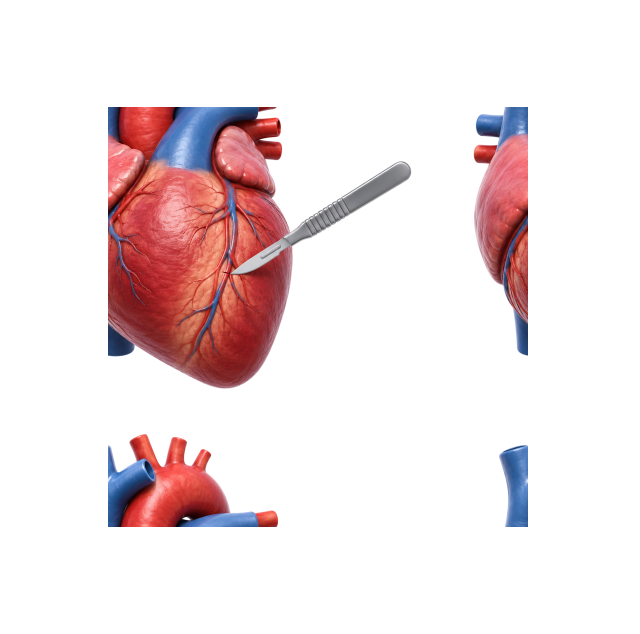
CABG Surgery, also known as Coronary Artery Bypass Grafting, is a specialised heart surgery performed to improve blood flow to the heart muscle when coronary arteries become narrowed or blocked. This life-saving procedure helps reduce chest pain, improve heart function, lower the risk of heart attacks, and enhance overall quality of life. At Ujala Cygnus Hospitals, our experienced cardiac surgeons use advanced surgical techniques and comprehensive cardiac care to deliver safe and effective treatment for patients with coronary artery disease.
Advanced CABG Surgery at Ujala Cygnus Hospitals
At Ujala Cygnus Hospitals, we provide comprehensive coronary artery bypass surgery for patients suffering from blocked heart arteries and advanced coronary artery disease. When plaque builds up inside the coronary arteries, blood flow to the heart muscle becomes restricted, increasing the risk of chest pain (angina), heart attacks, and heart failure.
CABG Surgery is one of the most effective treatments for restoring blood supply to the heart. During the procedure, healthy blood vessels are taken from another part of the body and used to create a new pathway around blocked coronary arteries. This allows oxygen-rich blood to reach the heart muscle more effectively.
Our highly skilled cardiac surgeons, cardiologists, anaesthetists, and critical care specialists work together to provide personalised treatment plans, advanced surgical care, and comprehensive post-operative rehabilitation. Our goal is to help patients achieve better heart health, symptom relief, and long-term cardiovascular wellbeing.
What is CABG Surgery?
At Ujala Cygnus Hospitals, we provide comprehensive coronary artery bypass surgery for patients suffering from blocked heart arteries and advanced coronary artery disease. When plaque builds up inside the coronary arteries, blood flow to the heart muscle becomes restricted, increasing the risk of chest pain (angina), heart attacks, and heart failure.
CABG Surgery is one of the most effective treatments for restoring blood supply to the heart. During the procedure, healthy blood vessels are taken from another part of the body and used to create a new pathway around blocked coronary arteries. This allows oxygen-rich blood to reach the heart muscle more effectively.
Our highly skilled cardiac surgeons, cardiologists, anaesthetists, and critical care specialists work together to provide personalised treatment plans, advanced surgical care, and comprehensive post-operative rehabilitation. Our goal is to help patients achieve better heart health, symptom relief, and long-term cardiovascular wellbeing.
Types of CABG Surgery
Traditional CABG Surgery
The most common form of bypass surgery, performed through an incision in the chest while the patient is connected to a heart-lung machine.
Off-Pump CABG Surgery
Also known as beating-heart surgery, this technique is performed without stopping the heart, potentially reducing certain complications in selected patients.
Minimally Invasive CABG
A less invasive approach performed through smaller incisions, resulting in reduced trauma and potentially faster recovery.
Single Bypass Surgery
Performed when only one coronary artery requires bypass grafting.
Double Bypass Surgery
Used when two blocked coronary arteries require bypass grafts.
Triple, Quadruple or Multiple Bypass Surgery
Recommended for patients with multiple blocked coronary arteries requiring extensive revascularisation.
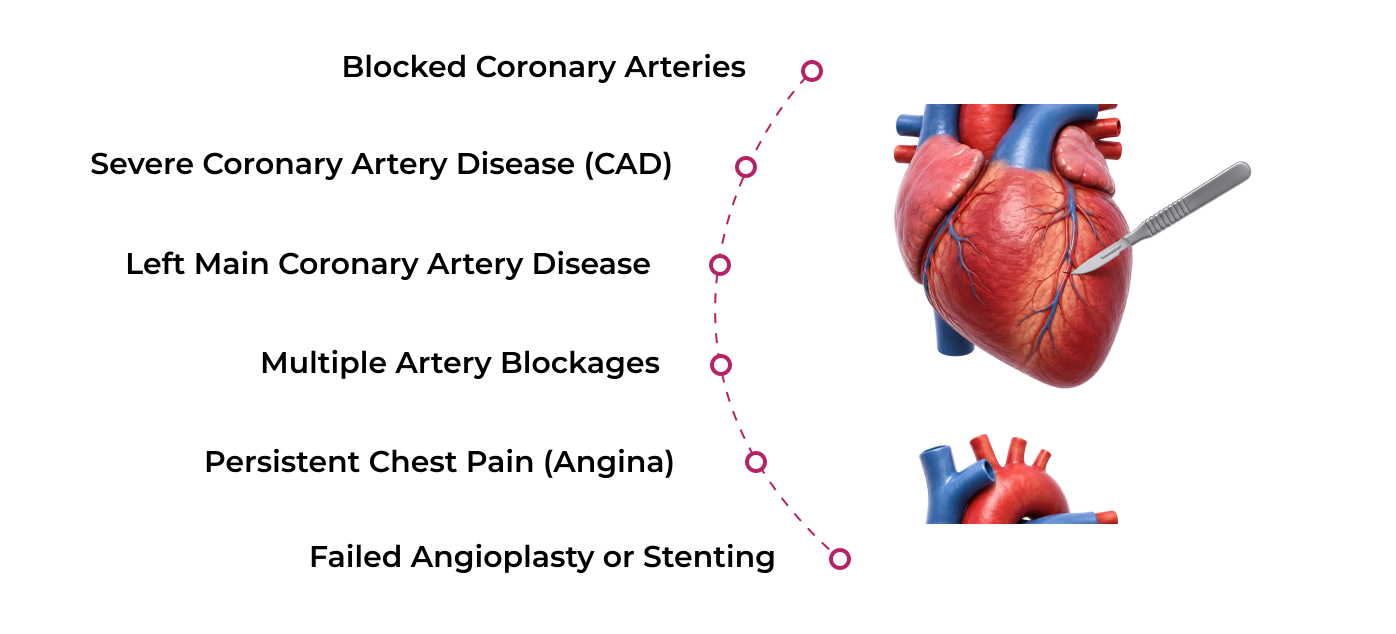
Conditions Treated with CABG Surgery
CABG Surgery Procedure: What Happens During Treatment?
Benefits of CABG Surgery
CABG Surgery provides significant benefits for patients with coronary artery disease and severe arterial blockages, helping improve both survival and quality of life.
- Restores healthy blood flow to the heart muscle
- Reduces chest pain and angina symptoms
- Lowers the risk of future heart attacks
- Improves heart function and circulation
- Enhances exercise tolerance and physical activity levels
- Improves overall quality of life
- Reduces symptoms of coronary artery disease
- Supports long-term cardiovascular health
- May increase survival in selected high-risk patients
Why Choose Ujala Cygnus Hospitals for CABG Surgery?

Expert Cardiac Surgeons
Our experienced cardiac surgeons have extensive expertise in performing complex bypass surgeries using modern surgical techniques and evidence-based practices.

Advanced Cardiac Care Infrastructure
We offer state-of-the-art operation theatres, advanced cardiac ICUs, and modern diagnostic facilities to ensure comprehensive heart care.

Personalised Treatment Planning
Every patient receives a customised treatment strategy based on their heart condition, overall health status, and individual recovery goals.

Comprehensive Cardiac Rehabilitation
Our multidisciplinary team provides complete support before, during, and after surgery to promote faster recovery and long-term heart health.
Possible Risks and Complications of CABG Surgery and How They Are Managed
Like any major surgical procedure, CABG Surgery carries certain risks. However, advances in cardiac surgery and intensive care have significantly improved patient safety and outcomes.
Short-Term Risks
Bleeding
Some patients may experience bleeding during or after surgery, which is carefully monitored and managed by the surgical team.
Infection
Infections can occur at the surgical incision site or graft harvest site but are typically prevented through strict infection-control measures.
Heart Rhythm Abnormalities
Temporary irregular heartbeats may occur following surgery and are usually managed with medication.
Breathing Difficulties
Some patients may experience short-term respiratory complications that improve with appropriate treatment and rehabilitation.
Reaction to Anaesthesia
Although uncommon, anaesthesia-related complications can occur and are carefully monitored by specialist anaesthetists.
Long-Term Risks
Graft Narrowing Over Time
Bypass grafts may gradually narrow due to ongoing cardiovascular disease progression.
Recurrent Coronary Artery Disease
New blockages may develop in other arteries if cardiovascular risk factors are not properly managed.
Stroke
Although uncommon, there is a small risk of stroke associated with major cardiac surgery.
Kidney Function Changes
Some patients may experience temporary or long-term kidney-related complications following surgery.
Persistent Symptoms
A small number of patients may continue to experience symptoms despite successful surgery.
Managing and Reducing Risks
Thorough Pre-Operative Evaluation
Detailed assessments help identify risk factors and optimise patient health before surgery.
Advanced Surgical Techniques
Modern cardiac surgery approaches improve precision and minimise complications.
Intensive Post-Operative Monitoring
Continuous monitoring enables early detection and management of potential complications.
Lifestyle and Risk Factor Management
Long-term success is supported through healthy lifestyle changes, medication adherence, and regular cardiac follow-up.
Recovery and Support During CABG Surgery Rehabilitation
Recovery after CABG Surgery is a gradual process that focuses on restoring physical strength, improving heart health, and supporting long-term wellbeing.
Diet and Heart-Healthy Nutrition
Patients are encouraged to follow a balanced diet low in saturated fats, salt, and processed foods while increasing the intake of fruits, vegetables, whole grains, and lean proteins.
Exercise and Cardiac Rehabilitation
Structured cardiac rehabilitation programmes help improve cardiovascular fitness, physical strength, and confidence while reducing future heart disease risk.
Mental Health and Emotional Wellbeing
Recovering from heart surgery can be emotionally challenging. Counselling, family support, and rehabilitation services can help patients maintain a positive outlook during recovery.
Follow-Up Care and Long-Term Heart Health
Regular follow-up appointments allow cardiologists to monitor recovery, manage medications, assess heart function, and provide guidance for maintaining optimal cardiovascular health.
Patient Stories
Hip Replacement by
Dr. Indranil Halder
LNICU by
Dr. Rajeev Kumar

CKD Diabetes
CKD Diabetes
Knee Replacement by
Knee Replacement
TNBC Survivor by
Dr. Abid Lone
Spine Surgery by
Dr. Saurabh Kumar Sinha

Brain Surgery by
Dr. Saurabh Kumar Sinha
Hip Replacement by
Dr. Indranil Halder
NICU by
Dr. Rajeev Kumar
CKD Diabetes
CKD Diabetes
Knee Replacement by
Knee Replacement
TNBC Survivor by
Dr. Abid Lone
Spine Surgery by
Dr. Saurabh Kumar Sinha
Brain Surgery by
Dr. Saurabh Kumar Sinha
Latest Blogs










Frequently Asked Questions
What is CABG Surgery?
CABG Surgery, or Coronary Artery Bypass Grafting, is a procedure that improves blood flow to the heart by creating new pathways around blocked coronary arteries.
Who needs CABG Surgery?
CABG is commonly recommended for patients with severe coronary artery disease, multiple blocked arteries, chronic angina, or when angioplasty is not a suitable treatment option.
How long does CABG Surgery take?
The procedure typically takes between three and six hours, depending on the number of bypass grafts required and the complexity of the condition.
What is the recovery time after CABG Surgery?
Most patients remain in hospital for several days after surgery, while complete recovery may take several weeks to a few months depending on individual health and rehabilitation progress.
Is CABG Surgery safe?
CABG Surgery is a well-established and commonly performed cardiac procedure. Advances in surgical techniques and intensive care have significantly improved safety and outcomes.
What are the benefits of CABG Surgery?
CABG can improve blood flow to the heart, relieve chest pain, reduce the risk of heart attacks, improve heart function, and enhance overall quality of life.