
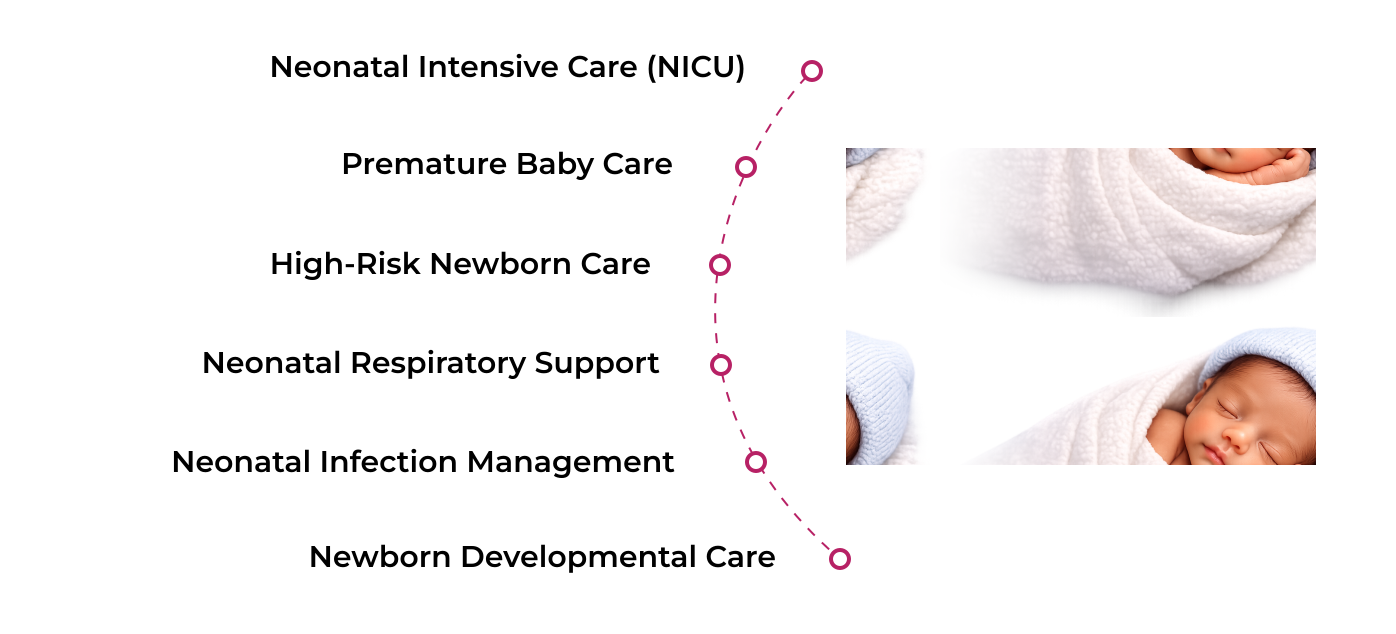
Neonatology Care at Our Hospitals
The first few days and weeks of a newborn’s life are critical, especially for babies born prematurely or with medical complications. At Ujala Cygnus Hospitals, our Neonatology Department provides comprehensive, evidence-based care for premature, low birth weight, critically ill, and high-risk newborns in a safe and nurturing environment.
Our experienced neonatologists, neonatal nurses, paediatricians, respiratory therapists, and multidisciplinary care teams work together to provide round-the-clock monitoring and advanced treatment for newborns requiring specialised medical attention. We focus on stabilising newborns, supporting healthy growth and development, and preventing long-term complications.
Our Neonatal Intensive Care Units (NICUs) are equipped with advanced incubators, ventilators, neonatal monitoring systems, phototherapy units, and infection control measures that support babies with complex medical needs. We also work closely with obstetricians and maternal-fetal medicine specialists to ensure seamless care before, during, and after delivery.
At Ujala Cygnus Hospitals, we are committed to providing compassionate, family-centred neonatal care that gives every newborn the best possible start in life.
What is Neonatology?
Neonatology is a specialised branch of paediatrics dedicated to the care of newborn babies, particularly those who are born prematurely, have low birth weight, are critically ill, or require intensive medical support during the first 28 days of life. A neonatologist diagnoses and manages conditions such as premature birth, birth asphyxia, neonatal jaundice, respiratory distress, neonatal infections, congenital abnormalities, feeding difficulties, and other complex medical conditions. Treatment may involve advanced NICU care, respiratory support, nutritional management, and continuous monitoring to help newborns recover and grow safely.
Types of Neonatal Care
Every newborn has unique healthcare needs. At Ujala Cygnus Hospitals, our neonatology team provides specialised care across all major areas of newborn medicine to ensure comprehensive support from birth onwards.
|
Subspecialty |
What it Addresses |
|
Neonatal Intensive Care (NICU) |
Advanced care for premature babies, critically ill newborns, respiratory distress, low birth weight infants, and babies requiring continuous monitoring and life support. |
|
Premature Baby Care |
Specialised medical management, nutritional support, developmental monitoring, and infection prevention for babies born before 37 weeks of pregnancy. |
|
High-Risk Newborn Care |
Care for newborns affected by birth complications, maternal illnesses, congenital abnormalities, birth asphyxia, or multiple pregnancies. |
|
Neonatal Respiratory Care |
Diagnosis and treatment of respiratory distress syndrome, breathing difficulties, meconium aspiration, and other newborn lung conditions using advanced respiratory support. |
|
Neonatal Nutrition & Growth Support |
Individualised feeding plans, breastfeeding support, total parenteral nutrition (TPN), and growth monitoring to promote healthy development. |
|
Neurodevelopmental Follow-up |
Long-term assessment and monitoring of growth, neurological development, hearing, vision, and developmental milestones in high-risk newborns. |
Symptoms You Should Never Ignore
Newborn babies can become seriously unwell very quickly. Parents should seek immediate medical attention if they notice any of the following warning signs:
- Difficulty Breathing: Fast breathing, grunting, chest retractions, or bluish lips and skin.
- Poor Feeding: Difficulty breastfeeding, refusal to feed, or poor sucking ability.
- Persistent Jaundice: Yellowing of the skin or eyes that appears early, becomes severe, or lasts longer than expected.
- High or Low Body Temperature: Fever or unusually low body temperature in a newborn.
- Extreme Sleepiness or Reduced Activity: Baby is difficult to wake, unusually sleepy, or less responsive than usual.
- Seizures or Abnormal Movements: Jerking movements, stiffness, or unusual body postures requiring emergency evaluation.
- Persistent Vomiting: Frequent vomiting, especially green-coloured vomit or inability to keep feeds down.
- Bluish Skin or Poor Oxygen Levels: Blue lips, fingertips, or skin indicating inadequate oxygen supply.
- Signs of Infection: Poor feeding, irritability, fever, low temperature, breathing problems, or reduced activity.
- Low Birth Weight or Prematurity Concerns: Babies born early or weighing less than expected should receive specialist neonatal assessment.
If your newborn develops any of these symptoms, seek immediate medical attention, as early treatment can be life-saving.
When Should You Consult a Neonatologist?
You should seek neonatal specialist care if your baby:
- Is born before 37 weeks of pregnancy (premature birth).
- Has a low birth weight or requires NICU admission.
- Experiences breathing difficulties after birth.
- Has severe neonatal jaundice requiring treatment.
- Develops signs of infection or neonatal sepsis.
- Has feeding difficulties or poor weight gain.
- Is born with congenital abnormalities or birth defects.
- Requires specialised monitoring following a complicated pregnancy or delivery.
- Has suffered birth asphyxia or lack of oxygen during delivery.
- Needs long-term follow-up after discharge from the NICU.
Early evaluation and specialised neonatal care can significantly improve survival, reduce complications, and support healthy growth and development during the most critical stage of a baby's life.
Advanced Neonatology Care at Ujala Cygnus Hospitals
The Neonatology Department at Ujala Cygnus Hospitals offers advanced medical care for newborns who require specialised support immediately after birth. Our neonatal experts manage babies born prematurely, with congenital conditions, breathing difficulties, infections, jaundice, birth complications, and other critical illnesses.
Using modern neonatal intensive care technology and internationally accepted clinical protocols, we provide respiratory support, nutritional management, infection control, temperature regulation, and continuous monitoring for newborns with complex medical needs. Every treatment plan is carefully personalised according to the baby's gestational age, birth weight, and medical condition.
Our multidisciplinary team also supports parents throughout their baby's NICU journey by providing counselling, breastfeeding guidance, developmental care education, and regular progress updates. This collaborative approach helps improve neonatal outcomes while strengthening parent-child bonding.
Possible Risks & Complications in Newborns and How They Are Managed
Some newborns, especially those born prematurely or with medical complications, may require specialised medical care during the first few days or weeks of life. Early intervention and continuous monitoring are essential for reducing complications and supporting healthy development.
Short-Term Complications
Breathing Difficulties
Premature lungs may not be fully developed, increasing the risk of Respiratory Distress Syndrome (RDS) and other breathing problems. Our NICU provides CPAP, mechanical ventilation, oxygen therapy, and continuous respiratory monitoring to support healthy lung function.
Neonatal Jaundice
Elevated bilirubin levels can cause jaundice in newborns. Prompt diagnosis and phototherapy help reduce bilirubin levels safely while preventing neurological complications.
Feeding Difficulties
Premature and critically ill babies may struggle with feeding due to immature swallowing reflexes. Our neonatal specialists provide enteral feeding, intravenous nutrition, and lactation support to ensure adequate growth.
Neonatal Infections
Newborns have immature immune systems, making them more vulnerable to infections. Early diagnosis, antibiotic therapy, strict infection control practices, and continuous monitoring help reduce the risk of serious illness.
Long-Term Complications
Developmental Delay
Some high-risk newborns may experience delays in physical, cognitive, speech, or motor development. Regular developmental assessments and early intervention programmes help maximise long-term outcomes.
Vision & Hearing Problems
Premature babies have a higher risk of certain eye and hearing conditions. Routine screening allows early diagnosis and timely management to support healthy development.
Chronic Lung Disease
Very premature babies requiring prolonged respiratory support may develop chronic lung disease. Our specialists provide long-term respiratory follow-up and rehabilitation when necessary.
Growth & Nutritional Challenges
Premature and low birth weight babies require careful nutritional monitoring to achieve healthy growth. Our multidisciplinary team provides personalised nutrition support and regular growth assessments.
How We Help Reduce These Risks
At Ujala Cygnus Hospitals, our Neonatology team focuses on reducing complications through comprehensive newborn care, including:
- Immediate neonatal assessment after birth
- Advanced NICU monitoring and life support
- Specialised respiratory care
- Strict infection prevention protocols
- Personalised nutrition and feeding support
- Early treatment of neonatal jaundice
- Developmental screening and follow-up
- Parent education and breastfeeding support
- Multidisciplinary collaboration across specialties
- Regular post-discharge monitoring for high-risk infants
By combining advanced neonatal technology, experienced specialists, and compassionate family-centred care, we help newborns overcome early health challenges and achieve healthy growth and development.
The Neonatology Conditions We Treat

Premature Birth
Premature babies require specialised medical care because their organs may not be fully developed. Our NICU team provides respiratory support, nutritional care, temperature regulation, and continuous monitoring to help premature infants grow safely.

Low Birth Weight Babies
Babies born with low birth weight may face challenges related to feeding, immunity, growth, and body temperature regulation. We provide comprehensive medical and nutritional support to promote healthy development.

Neonatal Jaundice
Jaundice is a common condition in newborns caused by elevated bilirubin levels. Early diagnosis and phototherapy help prevent complications while ensuring safe recovery.

Neonatal Respiratory Disorders
Breathing difficulties such as Respiratory Distress Syndrome (RDS), transient tachypnoea of the newborn, and meconium aspiration require immediate specialist care. Our NICU is equipped to provide advanced respiratory support.

Neonatal Infections & Sepsis
Newborn infections can become serious if not treated promptly. Our specialists provide early diagnosis, antibiotic therapy, intensive monitoring, and supportive care to reduce complications.
Birth Asphyxia & Hypoxic Brain Injury
Some babies experience reduced oxygen supply during birth, which may affect brain function and other organs. Early intervention, intensive monitoring, and supportive neonatal care improve recovery outcomes.
Advanced Neonatal Procedures
Why Choose Ujala Cygnus Hospitals for Neonatology?

Advanced NICU Infrastructure & Modern Technology
Our Neonatal Intensive Care Units are equipped with advanced incubators, neonatal ventilators, CPAP systems, phototherapy units, infusion pumps, and continuous monitoring technology to provide comprehensive care for critically ill and premature newborns.

Comprehensive Newborn Care Under One Roof
From delivery room resuscitation and neonatal intensive care to nutritional support, developmental monitoring, vaccination guidance, and follow-up care, we provide complete newborn healthcare services in one place.

Experienced Neonatologists & Multidisciplinary Team
Our experienced neonatologists work closely with paediatricians, obstetricians, paediatric surgeons, anaesthetists, respiratory therapists, nutritionists, and neonatal nurses to deliver evidence-based, personalised care for every newborn.

Ayushman Bharat & Cashless Empanelments
Ujala Cygnus Hospitals are empanelled with PM-JAY, CGHS, ECHS, ESIC, and leading insurance providers, making specialised neonatal care more accessible with dedicated assistance for smooth cashless claim processing.

Our Medical Experts

Neonatal Diagnostics and Procedures at Ujala Cygnus Hospitals




Patient Stories
Hip Replacement by
Dr. Indranil Halder
LNICU by
Dr. Rajeev Kumar

CKD Diabetes
CKD Diabetes

Knee Replacement by
Knee Replacement
TNBC Survivor by
Dr. Abid Lone
Spine Surgery by
Dr. Saurabh Kumar Sinha

Brain Surgery by
Dr. Saurabh Kumar Sinha
Hip Replacement by
Dr. Indranil Halder
NICU by
Dr. Rajeev Kumar
CKD Diabetes
CKD Diabetes
Knee Replacement by
Knee Replacement
TNBC Survivor by
Dr. Abid Lone
Spine Surgery by
Dr. Saurabh Kumar Sinha
Brain Surgery by
Dr. Saurabh Kumar Sinha
Latest Blogs








Frequently Asked Questions
When should a newborn be admitted to the NICU?
A newborn may require NICU admission if they are born prematurely, have a low birth weight, breathing difficulties, infections, congenital conditions, or require specialised medical monitoring immediately after birth.
What is the difference between a NICU and a normal nursery?
A normal nursery cares for healthy newborns, while a Neonatal Intensive Care Unit (NICU) provides specialised medical care, advanced monitoring, and life support for babies with complex health conditions.
How long does a baby stay in the NICU?
The duration depends on the baby’s medical condition, gestational age, feeding ability, breathing, and overall progress. Some babies stay for a few days, while others may require several weeks of specialised care.
What is Kangaroo Mother Care (KMC)?
Kangaroo Mother Care involves skin-to-skin contact between the baby and parent. It helps regulate body temperature, improves breastfeeding, supports healthy growth, and strengthens emotional bonding.
Does every premature baby need a ventilator?
No. Some premature babies may only require oxygen therapy or CPAP support, while others with severe respiratory problems may temporarily need mechanical ventilation.
What is a neonatologist?
A neonatologist is a paediatric specialist trained in diagnosing and treating medical conditions affecting newborn babies, particularly premature, critically ill, and high-risk infants.
Can premature babies live healthy lives?
Yes. With timely neonatal care, proper nutrition, regular follow-up, and developmental support, many premature babies grow up healthy and achieve normal developmental milestones.
Can parents visit their baby in the NICU?
Yes. Parents are encouraged to be involved in their baby’s care whenever possible. Our team provides regular updates, counselling, and guidance to strengthen family bonding during the NICU stay.
What are the common signs that a newborn needs immediate medical attention?
Difficulty breathing, poor feeding, persistent vomiting, fever, low body temperature, seizures, excessive sleepiness, bluish skin colour, or severe jaundice require immediate medical evaluation.
Why choose Ujala Cygnus Hospitals for neonatal care?
Ujala Cygnus Hospitals provide comprehensive neonatal care through experienced neonatologists, advanced NICU facilities, modern life-support technology, multidisciplinary expertise, and compassionate family-centred care for every newborn.