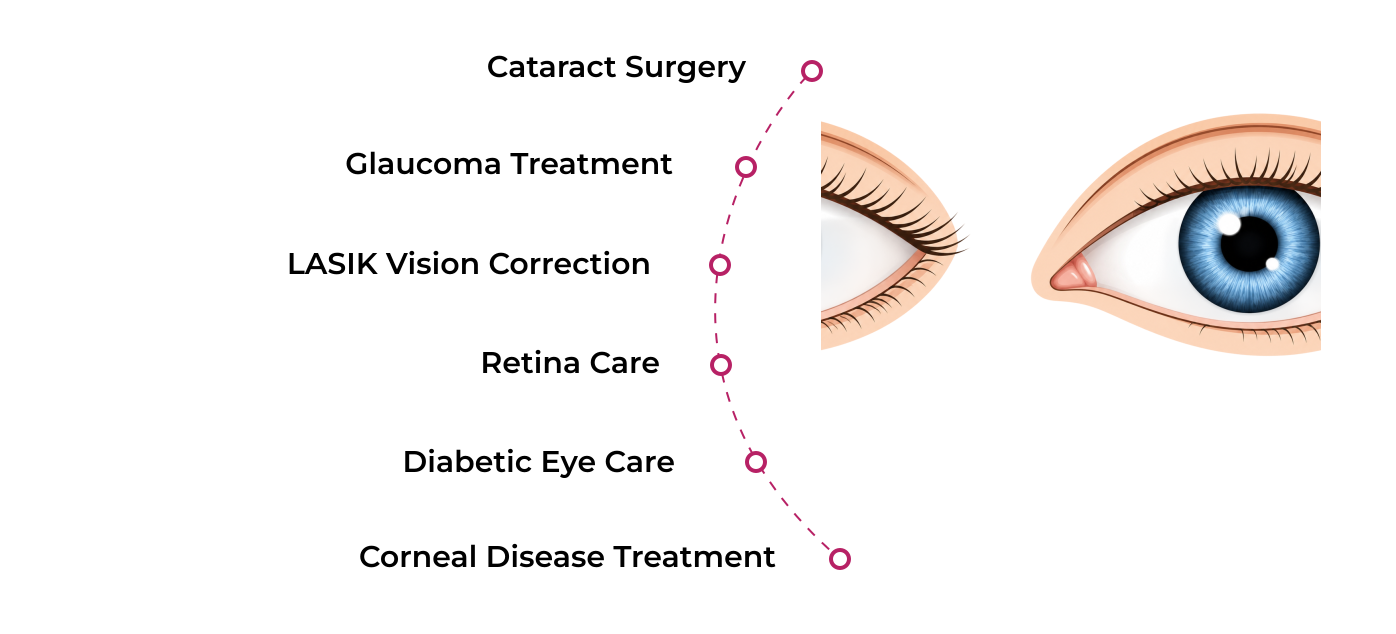
Our Ophthalmology in Kashipur
What is Ophthalmology?
Ophthalmology is the medical speciality that covers the diagnosis and treatment of eye conditions ranging from refractive errors such as myopia and hyperopia to cataracts, glaucoma and retinal diseases. Ophthalmology also includes the assessment of changes in vision, eye symptoms and conditions that may require ongoing monitoring or surgical treatment.
Ophthalmologists are trained professionals who assess eye health and vision, review the patient's symptoms and medical history, recommend appropriate tests when needed and develop a treatment plan. The assessment helps identify the type and severity of an eye condition and determine the most suitable approach to care.
Based on the patient's diagnosis, treatment may involve a simple prescription for glasses, medicines or eye drops, or surgery. Some eye conditions may require regular follow-up assessments to monitor changes in eye health and vision and determine whether the treatment plan needs to be adjusted.
When Should You Consult an Ophthalmologist?
Patients should consult an ophthalmologist when they notice changes in vision or have persistent eye symptoms. Early evaluation can help identify the underlying eye condition and determine whether treatment or regular monitoring is required.
A consultation may be appropriate for:
- Blurred or reduced vision: Changes in visual clarity may be linked to refractive errors or other eye conditions and should be assessed if they persist or worsen.
- Difficulty seeing distant or nearby objects: Problems with distance or near vision may indicate a refractive error and may require vision assessment and corrective lenses.
- Frequent changes in vision: Repeated changes in vision may require evaluation to identify the underlying cause.
- Eye pain or discomfort: Persistent pain or discomfort may indicate an eye condition that requires medical assessment.
- Persistent redness or irritation: Ongoing redness or irritation may be associated with different eye conditions and should be evaluated when it does not improve.
- Increased sensitivity to light: Persistent sensitivity to light may occur with certain eye conditions and may require further evaluation.
- Recurrent eye infections: Frequent or recurring infections may require an ophthalmologist's assessment to determine the underlying cause and appropriate treatment.
- Flashes of light or new floaters: New flashes or a sudden increase in floaters can sometimes be associated with changes affecting the retina and require prompt ophthalmic assessment.
- Eye injuries: Injuries involving the eye should be assessed by an ophthalmologist to determine whether there is any damage requiring treatment.
- Known eye conditions that require regular monitoring: Conditions such as glaucoma and other ongoing eye diseases may require regular assessments to monitor changes and evaluate the response to treatment.
Sudden vision loss, severe eye pain or a serious eye injury needs prompt medical attention.
Conditions Treated at Ujala Cygnus Hospital, Kashipur
At Ujala Cygnus Hospital, Kashipur, the ophthalmology team provides care for a range of eye and vision conditions in children and adults. Common conditions treated include:
Refractive Errors
Refractive errors affect how clearly the eyes focus light, causing blurred vision. Common types include myopia and hyperopia, which can usually be corrected with glasses or other corrective lenses. Regular vision assessment can help determine the type and degree of refractive error and the appropriate vision correction.
Cataract
A cataract causes clouding of the eye's natural lens, which can lead to blurred or reduced vision and affect daily activities. Patients may also experience difficulty seeing clearly in low light or increased sensitivity to bright light. When a cataract significantly affects vision, the ophthalmologist may recommend cataract surgery based on the patient's clinical findings.
Glaucoma
Glaucoma is a group of eye conditions that can damage the optic nerve and lead to vision loss. The condition may progress without noticeable symptoms in its early stages, making regular eye assessments important for people at risk. Treatment and monitoring depend on the type and severity of glaucoma and may be required over the long term to help protect vision.
Retinal Diseases
Retinal diseases affect the retina, the light-sensitive tissue at the back of the eye, and can cause changes in vision. Symptoms may vary depending on the condition and can include blurred or distorted vision, difficulty seeing or changes in the visual field. Their effects and treatment vary depending on the type and underlying cause.
Other Eye Conditions
The ophthalmology team also provides care for other eye and vision conditions in children and adults. These may cause symptoms such as changes in vision, eye discomfort, redness or irritation. Treatment depends on the specific condition, its severity and its effect on eye health and vision.
Ophthalmology Assessment at Ujala Cygnus Hospital, Kashipur
At Ujala Cygnus Hospital, Kashipur, ophthalmology assessment includes evaluating patients’ eye and vision problems to identify the underlying condition and determine whether further evaluation or treatment is needed. The approach typically includes:
Eye Examination
The ophthalmologist examines the eyes and reviews the patient's symptoms and medical history to identify signs of an eye condition. The examination helps the doctor understand the patient's eye health and identify changes that may require further evaluation.
Vision Assessment
Vision is assessed to identify problems affecting clear sight and determine whether corrective measures may be required. The ophthalmologist evaluates the patient's vision based on the reported symptoms and clinical findings and recommends appropriate correction when needed.
Condition-Specific Tests
Additional tests may be recommended when the initial examination indicates a need for further evaluation. The choice of test depends on the suspected condition and clinical findings. These assessments can help the ophthalmologist understand the condition more clearly and plan appropriate treatment.
Follow-Up Assessment
Patients with chronic or ongoing eye conditions may need repeat assessments to monitor changes in vision and eye health and evaluate the response to treatment. Follow-up also allows the ophthalmologist to determine whether the existing treatment plan needs to be continued or adjusted.
Ophthalmology Treatments and Procedures at Ujala Cygnus Hospital, Kashipur
Ophthalmology care depends on the specific condition and the patient's clinical findings. Ujala Cygnus provides comprehensive eye care ranging from routine evaluations to advanced surgical interventions. The ophthalmologist recommends treatment based on the type and severity of the eye condition, its effect on vision and the patient's individual treatment needs. Available treatments and procedures include:
Corrective Lenses
Patients with refractive errors may need glasses or other corrective lenses to improve vision. The ophthalmologist assesses the patient's vision and recommends the appropriate correction based on the type and degree of refractive error. Regular vision assessments may also help determine whether the prescribed correction continues to meet the patient's visual needs.
Medicines
Doctors may prescribe medicines or eye drops to treat certain eye conditions that cause symptoms such as redness and irritation. The choice of treatment depends on the condition, its symptoms and the patient's clinical findings. The ophthalmologist may also advise follow-up assessments to evaluate the response to treatment and determine whether the treatment plan needs to be adjusted.
Cataract Surgery
Patients with cataracts that affect vision may require surgery. The ophthalmologist assesses the cataract and its effect on vision before recommending surgery. Cataract surgery involves removing the cloudy natural lens and replacing it with an artificial lens to help restore clearer vision. The need for surgery depends on the extent to which the cataract affects vision and daily activities.
Advanced Eye Surgery
Some eye conditions require surgical treatment when other approaches are not suitable or do not provide adequate results. The ophthalmologist recommends the appropriate procedure after assessing the patient's condition, severity and effect on vision. The type of surgery depends on the specific eye condition and the patient's clinical findings, followed by appropriate post-operative care and follow-up.
Why Choose Ujala Cygnus Hospital, Kashipur for Ophthalmology Care?
At Ujala Cygnus Hospital, Kashipur, our focus is on delivering comprehensive eye care that is both affordable and accessible to the patients. Key reasons patients may choose us include:
Comprehensive Ophthalmology Care
Patients can receive treatment for a wide range of eye conditions, from common refractive errors such as myopia and hyperopia to cataracts that may require surgery. The care journey covers assessment and diagnosis through treatment and follow-up.
Experienced Ophthalmologists
Ujala Cygnus Hospital, Kashipur, has experienced ophthalmologists who assess and manage a range of eye conditions. The team plans investigations and treatment according to the patient's condition and may perform appropriate eye surgeries when required.
Surgical Infrastructure
The hospital has surgical facilities and equipment to support ophthalmic procedures, including phacoemulsification for cataract surgery, when clinically appropriate. The ophthalmologist determines the suitable procedure based on the patient's eye condition and assessment.
Care for Children and Adults
Ujala Cygnus provides ophthalmology care for both children and adults. The ophthalmology team assesses eye and vision concerns according to the patient's age, symptoms and clinical needs, then plans appropriate care.
Multispeciality Care
Some eye conditions may occur alongside other medical conditions or require assessment by another specialist. Ujala Cygnus provides access to multiple specialities, allowing patients to consult relevant specialists when additional medical assessment or treatment is required.
Follow-Up Appointments
Some eye conditions require regular monitoring and continued treatment rather than a single consultation. Follow-up appointments allow the ophthalmologist to monitor changes in vision and eye health, assess the response to treatment and adjust the care plan when needed.
Care Closer to Home
Ujala Cygnus provides specialised ophthalmology services across Tier 2 and Tier 3 cities. Patients in Kashipur can access specialist eye care closer to home, making consultations, treatment and follow-up more convenient, particularly for those who require ongoing care.
Book an Appointment with an Ophthalmologist at Ujala Cygnus Hospital, Kashipur
For those experiencing persistent changes in vision or other eye-related symptoms, consult an ophthalmologist at Ujala Cygnus Hospital, Kashipur. They assess the patient's symptoms, identify the underlying condition and recommend an appropriate treatment plan. For booking, call 9146691466 or fill out the online appointment form.
Latest Blogs









Frequently Asked Questions
What eye care services are available at Ujala Cygnus?
Ujala Cygnus provides ophthalmology care for children and adults. Services include eye assessment, diagnosis and treatment of eye conditions, basic eye care and advanced eye surgery when required.
When should I visit an eye specialist for vision problems?
Individuals should consult an ophthalmologist for persistent blurred vision, reduced vision, eye pain, redness, irritation, flashes, new floaters or other changes in vision. Sudden vision loss or severe eye pain requires prompt medical assessment.
What conditions can be treated at an ophthalmology hospital?
An ophthalmology hospital can diagnose and treat conditions such as refractive errors, cataracts, glaucoma and retinal diseases. Treatment depends on the specific condition and may include corrective lenses, medicines or surgery.
Where can I find an Eye Care Hospital in Kashipur?
Patients looking for specialist eye care in Kashipur can consult the ophthalmology team at Ujala Cygnus Hospital, Kashipur. The hospital provides ophthalmology care for children and adults, including basic eye care and advanced eye surgery.
What should I expect during my first visit to an eye specialist?
During your first visit, the ophthalmologist will ask about your symptoms and medical history and examine your eyes and vision. The doctor may recommend further tests if needed. Based on the findings, the ophthalmologist will explain the results and discuss suitable treatment or follow-up.
Can I consult an ophthalmologist for age-related changes in vision?
Yes. Individuals can consult an ophthalmologist for age-related changes such as difficulty seeing nearby objects or gradual changes in vision. The doctor will assess the individual’s medical history and eye health to determine whether the changes are part of normal ageing or indicate an eye condition that needs treatment.
When is eye surgery recommended?
An ophthalmologist may recommend surgery when an eye condition cannot be adequately managed with medicines, corrective lenses or other non-surgical treatment, or when surgery offers an appropriate treatment option. The decision depends on the condition, its severity and the patient’s clinical findings.
What is the difference between an eye hospital and an ophthalmology hospital?
An eye hospital is a hospital that specialises in diagnosing and treating eye and vision problems. An ophthalmology hospital provides the same type of specialist eye care, but the term highlights ophthalmology as the medical speciality. The services offered depend on the hospital and may include eye examinations, medical treatment and eye surgery.