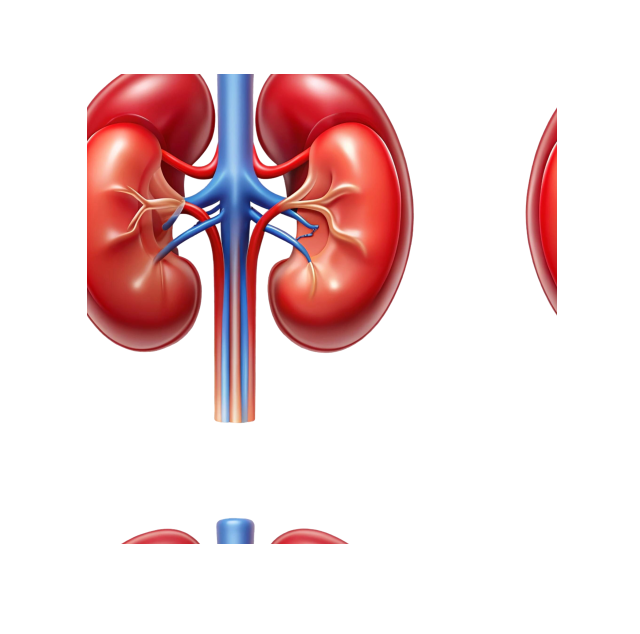
Nephrologists are physicians who specialise in diagnosing and treating conditions that affect the kidneys, including chronic kidney disease, acute kidney injury, kidney stones, hypertension-related kidney damage, glomerulonephritis, and other related disorders. At Ujala Cygnus Hospitals, Kashipur, our nephrologists are equipped to manage the full spectrum of kidney-related conditions, from early-stage CKD and electrolyte imbalances to high-risk cases involving renal failure and long-term dialysis, working closely with other specialties where the condition demands it. Our team takes the time to identify the root of the problem and tailor a personalised treatment plan ensuring the best possible outcome for every patient.
Our Nephrologist in Kashipur

What Does a Nephrologist Do?
Nephrologists are not just kidney doctors in the general sense. Their scope of work is quite specific, and it goes well beyond writing prescriptions for kidney-related complaints. Here is what they actually do:
- Diagnosis: Reviewing symptoms, ordering blood and urine tests, imaging, and in some cases, kidney biopsies.
- Chronic Kidney Disease (CKD) Management: Monitoring kidney function across all five stages and adjusting treatment over time to slow deterioration.
- Acute Kidney Injury (AKI) Treatment: Managing sudden kidney damage caused by infections, medications, or other underlying conditions that require prompt intervention.
- Dialysis Monitoring: Managing and monitoring ongoing haemodialysis or peritoneal dialysis care.
- Kidney Transplant Evaluation: Assessing patients for transplant suitability and providing pre- and post-transplant medical management alongside the surgical team.
- Hypertension Management: Treating high blood pressure that is either caused by or actively worsening kidney disease, since the two are deeply connected.
- Electrolyte and Fluid Imbalance Treatment: Correcting abnormal sodium, potassium, or calcium levels that disrupt normal body function.
- Glomerular Disease Management: Treating conditions like glomerulonephritis, nephrotic syndrome, and lupus nephritis that affect the kidney's filtering units.
Conditions Treated by Nephrologist at Ujala Cygnus Hospitals
The nephrologists at Ujala Cygnus Hospitals provide specialised care for a wide range of kidney-related disorders, from mild infections to advanced kidney failure. Here are some of the common conditions treated by our nephrologists:
Chronic Kidney Disease
Chronic kidney disease is a long-term condition in which the kidneys gradually lose their ability to filter waste and excess fluids from the body. Nephrologists help manage the condition through medications, lifestyle guidance, dietary modifications, and regular monitoring to slow down further kidney damage.
Acute Kidney Injury
Acute kidney injury refers to a sudden decline in kidney function that can happen due to severe dehydration, infections, certain medications, or underlying illnesses. Early diagnosis and prompt treatment are important to restore kidney function and prevent long-term complications.
Kidney Stones
Kidney stones are hard mineral deposits that form inside the kidneys and can cause severe pain, difficulty urinating, nausea, or blood in the urine. Nephrologists help diagnose the cause of recurrent stones and provide treatment along with preventive guidance to reduce the chances of future stone formation.
High Blood Pressure
Uncontrolled high blood pressure can damage the kidneys over time, while kidney disorders themselves can also lead to hypertension. Nephrologists work to identify the underlying cause and manage blood pressure effectively to protect kidney function and overall cardiovascular health.
Diabetic Kidney Disease
Diabetes is one of the leading causes of kidney damage, especially when blood sugar levels remain uncontrolled for a long period. Nephrologists help patients manage diabetic kidney disease through medications, kidney function monitoring, and lifestyle changes aimed at preventing further deterioration.
Kidney Infections
Most kidney infections begin in the urinary tract and can usually be managed with antibiotics. However, when infections are severe, recurrent, or connected to an underlying kidney condition, nephrology input becomes important. Left untreated or inadequately treated, repeated infections can cause cumulative damage to kidney tissue over time.
Electrolyte Imbalance
The kidneys play a major role in maintaining the balance of minerals and fluids in the body. When kidney function is affected, electrolyte levels such as sodium, potassium, and calcium may become abnormal, which can lead to weakness, confusion, irregular heartbeat, and other health complications.
Glomerular Diseases
These conditions affect the tiny filtering units of the kidneys called glomeruli, which help remove waste and excess fluid from the blood. Damage to these filters may result in swelling, protein leakage in urine, high blood pressure, and gradual decline in kidney function if left untreated.
Polycystic Kidney Disease
Polycystic kidney disease is an inherited condition in which multiple fluid-filled cysts develop inside the kidneys. Over time, these cysts can enlarge the kidneys, reduce their function, and lead to complications such as high blood pressure and kidney failure.
Kidney Failure
Kidney failure occurs when the kidneys lose most of their ability to function properly, making it difficult for the body to remove waste and maintain fluid balance. Nephrologists provide advanced care including dialysis management, supportive treatment, and guidance for long-term kidney health management.
Nephrology Diagnostic and Treatment Services Available at Ujala Cygnus Hospitals
The nephrology department at Ujala Cygnus Hospitals, Kashipur offers a range of diagnostic and treatment services for patients dealing with kidney-related disorders. From routine kidney evaluations to advanced dialysis support, the focus is on accurate diagnosis, timely treatment, and long-term kidney care management. Here are some of the nephrology diagnostic and treatment services available:
Kidney Function Tests
Blood tests, urine analysis, and other diagnostic investigations are used to evaluate how well the kidneys are working. These tests help detect kidney disease, infections, electrolyte imbalances, and other complications at an early stage so treatment can begin promptly.
Dialysis Services
Dialysis support is available for patients with severe kidney damage or kidney failure. Both haemodialysis and peritoneal dialysis are provided under medical supervision to help remove waste, toxins, and excess fluid from the body when the kidneys are unable to function properly.
Kidney Biopsy
A kidney biopsy may be advised to identify the exact cause of abnormal kidney function or kidney disease. The procedure involves collecting a small tissue sample from the kidney for detailed laboratory examination, helping doctors plan more targeted treatment.
Chronic Kidney Disease Management
Long-term management plans are provided for patients living with chronic kidney disease. This may include medications, dietary guidance, blood pressure control, regular monitoring, and lifestyle modifications to help slow disease progression and maintain kidney function.
Acute Kidney Injury Treatment
Specialised care is available for patients experiencing sudden kidney dysfunction due to dehydration, severe infection, medication side effects, or other medical conditions. Early treatment plays an important role in preventing permanent kidney damage.
Electrolyte Disorder Management
Kidney disorders can disturb the balance of important minerals such as sodium, potassium, and calcium in the body. Nephrologists diagnose and treat these imbalances to reduce the risk of symptoms like weakness, muscle cramps, confusion, and irregular heartbeat.
Hypertension Management
Since kidney health and blood pressure are closely connected, nephrologists help manage hypertension caused by kidney disease as well as kidney damage resulting from uncontrolled blood pressure. Treatment focuses on protecting kidney function and reducing long-term complications.
Diabetic Kidney Care
Patients with diabetes-related kidney complications receive specialised care aimed at preventing further kidney damage. This includes blood sugar monitoring, kidney function assessment, medication management, and guidance on maintaining a kidney-friendly lifestyle.
Kidney Transplant Support
Support services are available for patients who may require a kidney transplant. This includes medical evaluation before transplantation, post-transplant monitoring, and long-term follow-up care to ensure proper kidney function after the procedure.
Types of Nephrologists You Can Consult at Ujala Cygnus Hospitals
At Ujala Cygnus Hospitals, patients can consult nephrologists with expertise in different areas of kidney care depending on their condition and treatment requirements. The specialists provide focused care for everything from routine kidney disorders to advanced kidney failure management. Here are the different types of nephrologists patients can consult:
- General Nephrologists: These specialists diagnose and treat a wide range of kidney-related conditions, including chronic kidney disease, kidney infections, high blood pressure, and electrolyte imbalance. They also provide long-term monitoring and preventive kidney care.
- Dialysis Specialists: Dialysis nephrologists manage patients who require dialysis due to severe kidney damage or kidney failure. They supervise treatment sessions, monitor patient progress, and help manage dialysis-related complications.
- Transplant Nephrologists: These specialists provide medical care for patients undergoing kidney transplantation. Their role includes pre-transplant evaluation, post-transplant monitoring, and managing medications to support healthy kidney function after surgery.
- Paediatric Nephrologists: Paediatric nephrologists specialise in treating kidney disorders in children and adolescents. They manage conditions such as congenital kidney problems, recurrent urinary infections, and childhood nephrotic syndrome.
- Critical Care Nephrologists: These nephrologists treat patients with severe kidney complications, especially those admitted to intensive care units. They help manage acute kidney injury and other emergency kidney-related conditions requiring close medical supervision.
- Interventional Nephrologists: Interventional nephrologists perform specialised procedures related to kidney care and dialysis access. They help ensure safer and more effective treatment for patients requiring long-term dialysis support.
When to Consult a Nephrologist?
Kidney problems have a habit of developing quietly. Symptoms don't always show up early, and when they do, they're easy to brush off as something else. That's part of what makes kidney disease tricky. Here are some signs that it's worth getting a nephrologist involved:
- Persistent Swelling: If your feet, ankles, hands, or face are staying puffy for no obvious reason, it could be your kidneys struggling to flush out excess fluid the way they should.
- Changes in Urination: Foamy urine, blood in the urine, pain while urinating, or a noticeable change in how often or how much you're going, these aren't things to ignore.
- High Blood Pressure: Uncontrolled blood pressure over a long period doesn't just strain the heart. It quietly damages the kidneys too, and at some point, that needs specialist attention.
- Chronic Fatigue: Feeling constantly drained, weak, or low on energy could mean waste products are building up in your body because the kidneys aren't filtering properly.
- Kidney Stone Symptoms: Sharp pain in your lower back or sides, nausea, a burning sensation while urinating, or blood in the urine are classic signs something may be going on with the kidneys.
- Diabetes-Related Kidney Issues: If you have diabetes and your tests are showing declining kidney function or protein in the urine, a nephrologist should be part of your care.
- Recurring Kidney Infections: One infection is one thing. But if they keep coming back, that repeated stress on the kidneys can lead to long-term damage if it's not properly managed.
- Abnormal Kidney Tests: High creatinine, unusual urine reports, or kidney function results that don't look right, don't just wait and see. Get them evaluated.
- Kidney Failure Symptoms: Severe swelling, nausea, breathlessness, confusion, or a sudden loss of appetite can all point to something serious. These need urgent attention, not a wait-and-watch approach.
Why Choose Ujala Cygnus Hospitals for Nephrology Care?
At Ujala Cygnus Hospitals, Kashipur, nephrology is a dedicated speciality with the infrastructure, expertise, and patient focus to back it up. Here is what makes the difference:
- Experienced Nephrologists: The nephrology team brings experience across the full range of kidney conditions, from early-stage CKD picked up on routine tests to complex cases involving renal failure and long-term dialysis. That breadth of clinical exposure means difficult cases are not unfamiliar territory, and treatment decisions are grounded in real experience rather than just protocol.
- Advanced Kidney Care Services: The department is equipped with modern diagnostics, dialysis support, and a full range of treatment options, so patients are not being referred elsewhere for something the team can handle in-house.
- Personalised Patient Care: No two patients are quite the same. Treatment plans are built around each person's specific condition, medical history, and long-term needs, because a plan that works for one patient may not work for another.
Book an Appointment with a Nephrologist at Ujala Cygnus Hospitals, Kashipur
If someone in your family has been showing kidney-related symptoms, or if a diagnosis has already come through, getting the right specialist involved sooner rather than later genuinely matters. The nephrology team at Ujala Cygnus Hospitals, Kashipur can guide you through the whole process, from that first consultation all the way through to long-term care. Book an appointment today and take the first step towards the right kidney care.
Latest Blogs










Frequently Asked Questions
Who is the best nephrologist in Kashipur for kidney disease treatment?
Ujala Cygnus Hospitals in Kashipur has a team of experienced nephrologists who handle everything from early-stage CKD to complex renal failure. It’s not about one name, really. The department functions as a team, so each patient gets the specialist who’s best suited to their condition, not just whoever’s available.
Where can I find the best nephrologist near me in Kashipur?
Ujala Cygnus Hospitals is centrally located, which makes it genuinely accessible if you’re based in or around Kashipur. The nephrology department runs both OPD consultations and emergency care, so whether you’ve been referred or you’re walking in for the first time, you’re covered. You can book an appointment online or just head in directly.
Which hospital has the best kidney specialist doctors in Kashipur?
Ujala Cygnus Hospitals is widely regarded as one of the better options for nephrology care in the region. Modern diagnostics, experienced kidney specialists, and a full range of treatment options including dialysis and transplant evaluation, it’s a fairly complete setup under one roof.
Are there any nephrologists near me who offer both dialysis and transplant evaluation?
If you are looking for comprehensive kidney care nearby, Ujala Cygnus Hospitals, Kashipur offers both under one roof. The nephrology department handles everything from ongoing dialysis management to transplant evaluation, so patients do not have to visit multiple facilities or specialists near you to get the full picture of their treatment options.
What tests are commonly recommended by nephrologists for kidney problems?
It varies depending on what the doctor suspects, but most nephrologists start with blood work, things like serum creatinine, BUN, and GFR estimation. Urine tests and a kidney ultrasound usually follow. If the picture is still unclear, or if something more complex is going on, a kidney biopsy may be recommended. It sounds daunting, but it’s often the most accurate way to get a diagnosis.
How often should kidney patients visit a nephrologist for regular monitoring?
Honestly, it depends on where you are in your treatment. If you’ve been diagnosed with early-stage CKD and things are stable, visits every three to six months are fairly standard. But if the disease has progressed, or if you’re on dialysis, you’ll likely be seeing your nephrologist much more frequently. Your doctor will work out a follow-up schedule that fits your specific situation.
Can I get a second opinion for kidney treatment at Ujala Cygnus Hospital?
Absolutely, and there’s nothing wrong with asking for one. If you’ve already been diagnosed elsewhere and something about the plan doesn’t sit right with you, the nephrology team at Ujala Cygnus Hospitals in Kashipur is happy to take a second look. A fresh clinical perspective sometimes surfaces treatment options that weren’t on the table before.