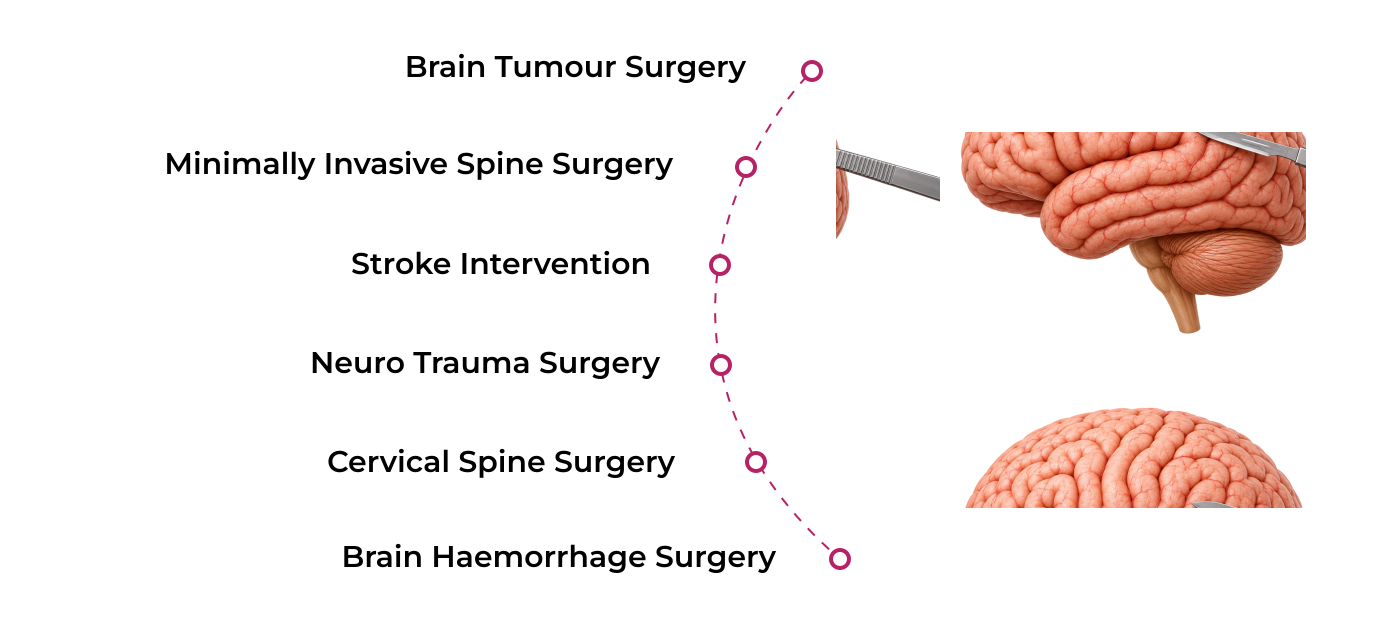
Conditions affecting the brain, spine, or nervous system can significantly impact movement, sensation, speech, memory, and many other essential body functions. Whether caused by an injury, a tumour, a spinal disorder, or another neurological condition, timely evaluation and appropriate surgical care play an important role in improving treatment outcomes and supporting timely recovery.
At Ujala Cygnus Hospital, patients have access to comprehensive neurosurgical care for a wide range of conditions affecting the brain, spine, and peripheral nerves. Our neurosurgery team works closely with specialists in neurology, critical care, anaesthesiology, radiology, rehabilitation, and other relevant disciplines to provide coordinated care based on each patient’s diagnosis, symptoms, and overall health.
As a NABH-accredited multispeciality hospital, Ujala Cygnus Hospital brings together experienced specialists, advanced diagnostic services, modular operation theatres, and dedicated critical care support for both planned and emergency neurosurgical procedures. From diagnosis and surgical treatment to rehabilitation and follow-up, the hospital is committed to providing accessible and affordable, patient-centred care throughout the treatment and recovery journey.
Our Neurosurgery Care in Kashipur

What is Neurosurgery?
Neurosurgery is the medical specialty that focuses on the surgical diagnosis and treatment of conditions affecting the brain, spine, and peripheral nerves. Neurosurgeons manage a wide range of neurological disorders, including brain tumours, spinal disorders, head and spinal injuries, hydrocephalus, and certain conditions affecting the blood vessels of the brain.
Depending on the condition, neurosurgery may involve planned procedures or emergency intervention to relieve symptoms, preserve neurological function, and help improve recovery and quality of life. Neurosurgeons also work closely with neurologists, critical care specialists, radiologists, rehabilitation teams, and other healthcare professionals to ensure that each patient receives coordinated care throughout diagnosis, treatment, and recovery.
How is Neurosurgery Different from Neurology?
Neurology and neurosurgery both focus on conditions affecting the brain, spine, and nervous system, but they play different roles in patient care. A neurologist diagnoses and manages neurological conditions using medications and other non-surgical treatments. When a condition requires an operation, patients may be referred to a neurosurgeon for further evaluation and surgical treatment. These specialists often work together to ensure patients receive the most appropriate care based on their diagnosis, symptoms, and overall health.
|
Neurology |
Neurosurgery |
|
Focuses on diagnosing and treating disorders of the nervous system using medications and other non-surgical approaches. |
Focuses on the surgical evaluation and treatment of conditions affecting the brain, spine, and peripheral nerves. |
|
Commonly manages conditions such as headaches, epilepsy, Parkinson's disease, stroke, and multiple sclerosis. |
Treats conditions such as brain tumours, spinal disorders, traumatic brain and spinal injuries, hydrocephalus, and other conditions where surgery may be required. |
|
Treatment typically involves medications, rehabilitation, lifestyle modifications, and long-term medical management. |
Treatment may involve planned or emergency surgery, along with pre-operative assessment, post-operative care, and rehabilitation when required. |
When Should You Consult a Neurosurgeon?
You may be referred to a neurosurgeon when symptoms suggest a condition affecting the brain, spine, or peripheral nerves that requires further evaluation. While not every neurological condition needs surgery, an early consultation can help identify the underlying cause, determine whether surgical treatment is appropriate, and prevent certain conditions from progressing. You should consult a neurosurgeon if you experience:
- Persistent or severe headaches, especially if accompanied by vomiting, vision changes, or seizures.
- Chronic neck or back pain that does not improve with medication, physiotherapy, or other conservative treatments.
- Pain radiating to the arms or legs, particularly when associated with numbness, tingling, or muscle weakness.
- Progressive weakness or loss of sensation in the arms or legs.
- Difficulty walking, maintaining balance, or coordinating movements.
- Loss of bladder or bowel control associated with back pain or other spinal symptoms.
- Seizures or unexplained episodes of loss of consciousness.
- Sudden changes in vision, speech, memory, or cognitive function.
- Symptoms following a head or spinal injury, including persistent headache, confusion, dizziness, weakness, or changes in consciousness.
At Ujala Cygnus Hospital, Kashipur, our neurosurgery team provides comprehensive evaluation to determine the cause of your symptoms and recommend the most appropriate treatment. When surgery is not required, patients are guided towards the most suitable non-surgical care or referred to the relevant specialist as part of a coordinated treatment approach.
Neurosurgical Conditions Treated at Ujala Cygnus Hospital, Kashipur
The neurosurgery team at Ujala Cygnus Hospital, Kashipur diagnoses and treats a wide range of conditions affecting the brain, spine, and peripheral nerves. Each condition is carefully evaluated, with treatment planned according to the diagnosis, its severity, the patient's overall health, and whether surgery is the most appropriate treatment option.
Brain Tumours
Brain tumours may be benign (non-cancerous) or malignant (cancerous) and can affect different parts of the brain. Depending on their size and location, they may cause persistent headaches, seizures, vision changes, weakness, or difficulties with speech and balance. Treatment is planned according to the type and extent of the tumour and may involve surgery to remove the tumour, relieve pressure on the brain, or obtain tissue for diagnosis.
Traumatic Brain Injury
Head injuries caused by road traffic accidents, falls, sports injuries, or other forms of trauma can result in bleeding, swelling, or damage to the brain. Prompt neurosurgical assessment helps determine the severity of the injury and whether emergency surgery or close monitoring is required to prevent further complications.
Brain Haemorrhage
A brain haemorrhage occurs when bleeding develops within or around the brain and requires immediate medical attention. Depending on the location and severity of the bleeding, treatment may involve procedures to relieve pressure on the brain, remove the blood clot where appropriate, and address the underlying cause.
Hydrocephalus
Hydrocephalus develops when excess cerebrospinal fluid accumulates within the brain, increasing pressure on surrounding tissues. Treatment often involves procedures that restore the normal flow of cerebrospinal fluid and help reduce pressure within the brain, preventing further neurological complications.
Herniated (Slipped) Disc
A herniated or slipped disc occurs when the soft inner portion of a spinal disc protrudes through its outer layer and compresses nearby nerves. This can lead to persistent back or neck pain, pain radiating to the arms or legs, numbness, tingling, or muscle weakness. When symptoms do not improve with conservative treatment, surgery may be considered to relieve pressure on the affected nerve.
Spinal Stenosis
Spinal stenosis is the narrowing of the spinal canal, which places pressure on the spinal cord or nerve roots. Patients may experience neck or back pain, numbness, weakness, difficulty walking, or balance problems. Treatment depends on the severity of symptoms, and surgery may be recommended when nerve compression significantly affects daily activities or mobility.
Degenerative Spine Disorders
Degenerative spine disorders develop as the structures of the spine gradually wear down with age. These changes can lead to chronic neck or back pain, nerve compression, spinal instability, and reduced mobility. When medications, physiotherapy, and other conservative treatments no longer provide adequate relief, surgery may help relieve pressure on the nerves and improve spinal stability.
Spinal Tumours
Spinal tumours may arise within the spinal cord or in the tissues surrounding it. They can interfere with nerve function, causing pain, weakness, numbness, or changes in sensation. Treatment depends on the type, location, and extent of the tumour and may involve surgery to remove the tumour, relieve spinal cord compression, and preserve neurological function.
Spinal Trauma
Serious spinal injuries, including fractures or dislocations, require urgent specialist assessment to reduce the risk of permanent neurological damage. Depending on the nature of the injury, treatment may involve surgery to stabilise the spine, relieve pressure on the spinal cord, and support neurological recovery.
Peripheral Nerve Disorders
Conditions affecting the peripheral nerves can develop when nerves become compressed, injured, or damaged. These disorders may cause pain, tingling, numbness, muscle weakness, or reduced movement in the affected area. Treatment depends on the underlying cause and severity of the condition, and surgery may be considered when nerve compression cannot be effectively managed through non-surgical treatment.
Neurosurgery Diagnostics Available at Ujala Cygnus Hospital, Kashipur
Before recommending surgery or another treatment approach, the neurosurgery team needs a clear understanding of the condition, its severity, and its effect on the brain, spine, or peripheral nerves. At Ujala Cygnus Hospital, Kashipur, the evaluation begins with a detailed review of the patient's symptoms, medical history, physical examination, and previous medical records. Depending on the suspected condition, the neurosurgeon may recommend one or more of the following investigations.
Magnetic Resonance Imaging (MRI)
MRI uses detailed images of the brain, spine, and surrounding soft tissues to help identify conditions such as brain tumours, spinal disorders, nerve compression, and other neurological abnormalities. It also helps determine the location and extent of the condition to support treatment planning.
Computed Tomography (CT) Scan
CT scans provide rapid imaging and are particularly useful in emergency situations, including head injuries, brain haemorrhage, skull fractures, and spinal trauma. They help the neurosurgery team quickly assess the condition and determine whether urgent treatment is required.
Electroencephalogram (EEG)
An electroencephalogram (EEG) records the brain's electrical activity and may be recommended when evaluating seizures or certain other neurological conditions. The findings are interpreted alongside the patient's symptoms and other investigations to support diagnosis.
Electromyography (EMG) and Nerve Conduction Studies (NCS)
EMG and nerve conduction studies assess how well the muscles and peripheral nerves are functioning. These tests help identify nerve injuries, nerve compression, and neuromuscular disorders that may require further evaluation or treatment.
Vascular Imaging
Specialised vascular imaging may be recommended to examine the blood vessels supplying the brain and neck. These investigations help evaluate selected cerebrovascular conditions and assist in planning the most appropriate treatment.
Lumbar Puncture
In selected cases, a lumbar puncture may be performed to collect a sample of cerebrospinal fluid for laboratory analysis. This investigation can help diagnose certain neurological conditions when clinically indicated.
Neurosurgical Procedures and Treatments at Ujala Cygnus Hospital, Kashipur
Neurosurgical treatment is planned according to the patient's diagnosis, the severity of the condition, overall health, and the expected benefits of surgery. At Ujala Cygnus Hospital, Kashipur, the neurosurgery team performs a range of procedures for conditions affecting the brain, spine, and peripheral nerves. Each treatment plan is developed after a comprehensive clinical evaluation and detailed diagnostic assessment to ensure the most appropriate approach for every patient.
Brain Surgery
Brain surgery may be recommended for conditions such as brain tumours, brain haemorrhage, traumatic brain injury, or other disorders affecting the brain. Depending on the diagnosis, the procedure may be performed to remove abnormal tissue, relieve pressure on the brain, control bleeding, or improve neurological function while preserving healthy brain tissue wherever possible.
Spine Surgery
Spine surgery may be considered for conditions such as herniated discs, spinal stenosis, spinal instability, spinal tumours, and other disorders affecting the spine. The procedure is planned to relieve pressure on the spinal cord or nerves, improve spinal stability, reduce pain, and help restore movement and function.
Minimally Invasive Spine Surgery
For selected spinal conditions, minimally invasive surgical techniques may be appropriate. These procedures use smaller incisions and specialised instruments, which may help reduce tissue disruption, minimise postoperative discomfort, and support a quicker recovery. The suitability of this approach depends on the patient's diagnosis and overall clinical condition.
Surgery for Traumatic Brain and Spine Injuries
Severe head injuries and spinal trauma sometimes require emergency neurosurgical intervention. Depending on the nature and severity of the injury, treatment may involve controlling bleeding, relieving pressure on the brain or spinal cord, stabilising the spine, or preventing further neurological damage.
Hydrocephalus Surgery
Treatment for hydrocephalus focuses on restoring the normal flow of cerebrospinal fluid and reducing pressure within the brain. The most appropriate procedure is determined according to the patient's age, symptoms, and the underlying cause of the condition.
Peripheral Nerve Surgery
Peripheral nerve surgery may be recommended for selected nerve injuries or compression disorders when symptoms such as persistent pain, numbness, tingling, weakness, or loss of function do not improve with conservative treatment. The procedure is planned according to the affected nerve and the underlying condition.
Surgery for Cerebrovascular Conditions
Certain conditions affecting the blood vessels of the brain, such as intracranial haemorrhage or vascular malformations, may require neurosurgical treatment. The approach depends on the type, location, and severity of the condition, with the aim of preventing further neurological injury and improving patient outcomes.
Revision and Complex Neurosurgical Procedures
Some patients require further surgery because of recurrent disease, complications from previous procedures, or complex neurological conditions. These procedures require careful evaluation and treatment planning, often involving collaboration between multiple specialists to achieve the best possible outcome.
Why Choose Ujala Cygnus Hospital, Kashipur for Neurosurgery?
Conditions affecting the brain, spine, and peripheral nerves often require timely diagnosis, careful treatment planning, and coordinated care from multiple specialists. At Ujala Cygnus Hospital, Kashipur, patients receive comprehensive neurosurgical care supported by experienced specialists, advanced diagnostic facilities, modern surgical infrastructure, and dedicated critical care services.
Comprehensive Neurosurgical Care
Patients receive care across every stage of their treatment journey, from initial consultation and diagnostic evaluation to surgery, post-operative care, rehabilitation, and follow-up. Each treatment plan is developed according to the patient's diagnosis, overall health, and individual recovery needs.
Multidisciplinary Team Approach
Neurosurgical care often involves collaboration between different medical specialists. Our neurosurgeons work closely with neurologists, radiologists, anaesthesiologists, critical care specialists, physiotherapists, rehabilitation experts, and other healthcare professionals to ensure coordinated care throughout diagnosis, treatment, and recovery.
Advanced Diagnostic and Surgical Support
Access to advanced diagnostic facilities, including MRI and CT imaging, helps support accurate diagnosis and treatment planning. Modern modular operation theatres, anaesthesia services, and dedicated critical care units enable the team to manage both planned and emergency neurosurgical procedures.
Emergency Neurosurgical Care
Patients with traumatic brain injuries, spinal trauma, brain haemorrhage, and other neurological emergencies receive prompt evaluation and specialist care. The hospital's emergency and critical care services support timely management when urgent neurosurgical intervention is required.
Patient-Centred Care Closer to Home
Patients from Kashipur, Nainital, Almora, Rudrapur, Ramnagar, Champawat, Bageshwar, and the wider Kumaon region can access specialised neurosurgical care closer to home. Receiving treatment locally helps reduce the need for repeated travel while making consultations, surgery, recovery, and follow-up care more convenient for patients and their families.
Part of an NABH-Accredited Healthcare Network
Ujala Cygnus is part of an NABH-accredited healthcare network committed to maintaining established standards for patient safety and quality of care. By combining experienced specialists with coordinated clinical services, the hospital provides comprehensive neurosurgical care tailored to each patient's individual needs.
Latest Blogs









Frequently Asked Questions
Which is the best Neurosurgery Hospital in Kashipur?
When choosing a neurosurgery hospital, look for experienced specialists, advanced diagnostic facilities, modern operation theatres, and comprehensive post-operative care. At Ujala Cygnus Hospital,Kashipur, patients benefit from multidisciplinary care supported by Radiology & Imaging, Critical Care (ICU), and Rehabilitation & Physiotherapy services to ensure seamless care before, during, and after surgery.
When should I visit a Neurosurgery Hospital near me?
You may benefit from a neurosurgical consultation if you experience persistent or progressive neurological symptoms such as seizures, muscle weakness, numbness, chronic neck or back pain, or symptoms following a head or spinal injury. Many patients are referred by specialists in Neurology or other healthcare providers when a surgical evaluation is required.
What neurological conditions are treated at the Neurosurgery Hospital in Kashipur?
The Neurosurgery department at Ujala Cygnus Hospital, Kashipur provides surgical evaluation and treatment for conditions such as brain tumours, traumatic brain injuries, spinal disorders, hydrocephalus, brain haemorrhage, and peripheral nerve disorders. Patients requiring non-surgical management may also receive coordinated care through our Neurology department.
What is the difference between a Neurologist and a Neurosurgeon?
A neurologist diagnoses and manages disorders of the nervous system using medications and other non-surgical treatments, while a neurosurgeon specialises in treating conditions that require surgery. At Ujala Cygnus Hospital, Kashipur, the Neurology and Neurosurgery teams work together to provide comprehensive care based on each patient’s condition.
What are the common symptoms that require evaluation by a Neurosurgeon?
Persistent headaches, seizures, chronic neck or back pain, numbness, muscle weakness, difficulty walking, balance problems, vision changes, or loss of bladder or bowel control may indicate the need for a neurosurgical evaluation. Early assessment helps determine whether surgery, or another treatment approach is appropriate.
Does Ujala Cygnus Hospital, Kashipur provide brain and spine surgery?
Yes. Ujala Cygnus Hospital, Kashipur provides surgical care for a wide range of brain and spinal conditions. Each treatment plan is based on a thorough clinical evaluation and advanced diagnostic imaging. When required, neurosurgeons collaborate with neurologists, radiologists, rehabilitation specialists, and other experts to ensure comprehensive patient care.
Does the Neurosurgery Hospital in Kashipur provide emergency care for head and spine injuries?
Yes. Ujala Cygnus Hospital, Kashipur provides emergency evaluation and treatment for patients with traumatic brain injuries and spinal trauma. The Neurosurgery team works closely with the emergency medicine and critical care (ICU) departments to deliver timely care for neurosurgical emergencies.
What diagnostic tests are available for neurosurgical evaluation at Ujala Cygnus Hospital, Kashipur?
Depending on your condition, the neurosurgery team may recommend investigations such as MRI, CT scans, EEG, EMG, nerve conduction studies, vascular imaging, or lumbar puncture. These services are supported by the hospital’s advanced radiology & imaging department to help ensure accurate diagnosis and treatment planning.
How do I book an appointment with a Neurosurgeon at Ujala Cygnus Hospital, Kashipur?
You can book an appointment with a neurosurgeon by contacting Ujala Cygnus Hospital, Kashipur by calling at 9146691466, or online booking platform. If your condition requires ongoing recovery after surgery, your care plan may also include rehabilitation & physiotherapy to support mobility, strength, and functional recovery.